Fresh premium produce, after-sales support: Meet the new face of Singapore's wet markets
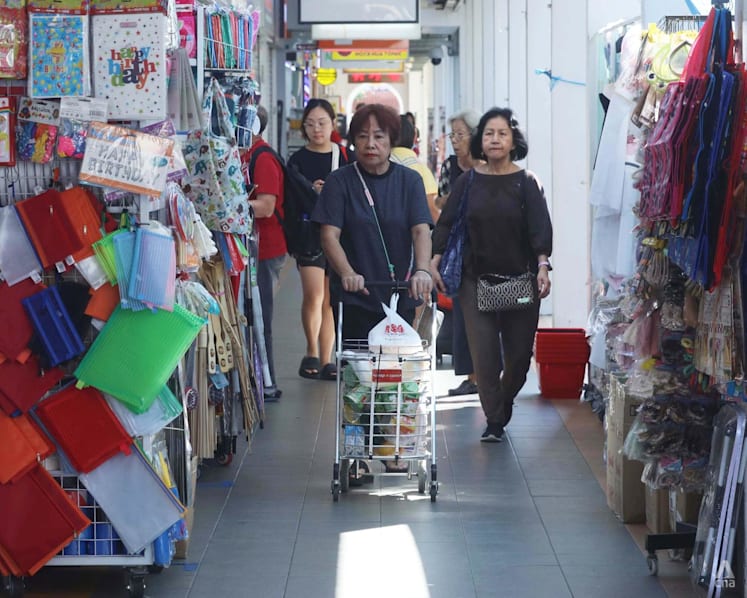
As younger shoppers increasingly turn elsewhere to buy meal ingredients or household items, wet-market vendors are rethinking how they do business while preserving the human connections, personal service and generations of expertise that remain their strengths.
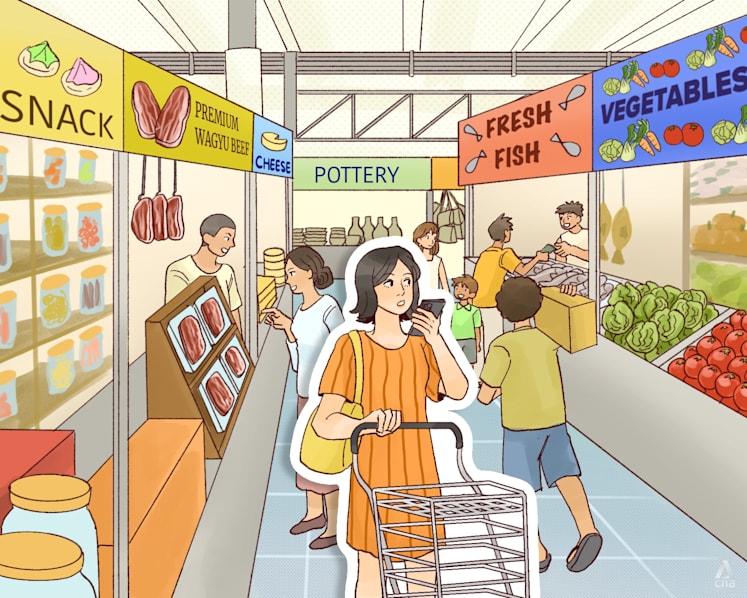
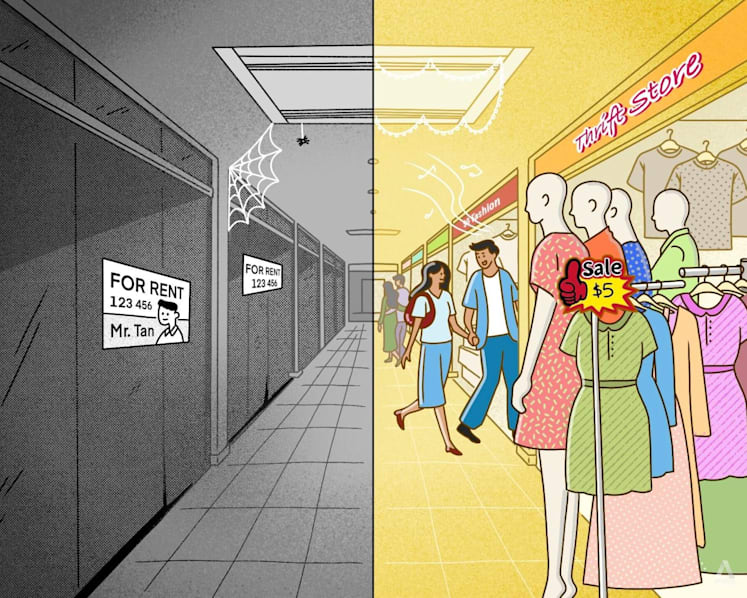
As shopping habits change, wet markets are not dying, but are entering a new phase. (Illustration: CNA/Clara Ho)

This audio is generated by an AI tool.


Singaporean rapper and writer Andre Frois is a diehard wet market fan, keenly aware that this makes him something of an outlier among his peers.
"I love that feeling of connection with my community and generations of epicurean know-how. Above all, I love that I am contributing to small local businesses," the 41-year-old told CNA TODAY.
Mr Frois' memories of the wet market run deep. As a toddler, he would tag along when his mum and aunts visited the market. His grandfather also worked as a fishmonger on Queen Street after migrating from Swatow, China to Singapore around 1920.
To this day, Mr Frois still enjoys accompanying his mother to the wet market and listening to her impassioned chats with other marketgoers.





Another reason he is firmly "Team Wet Market", rather than a supermarket shopper, is how easily he can find ingredients such as buah keluak (a nut used in Peranakan cooking) and rempah (a spice paste) for traditional dishes.
Mr Frois, who tries to visit the wet market at least once or twice a month, said: "Most Singaporeans don't venture beyond supermarkets these days and many prefer home grocery deliveries.
"But when I need fresh herbs and spices, I need to go to the wet market, because supermarkets tend to carry them in powdered form."
His ardent affection for wet markets stands in stark contrast to the preference for supermarkets among many Singaporeans, particularly younger ones, leaving stallholders worried about the future of their trade.
Ms Aileen Toh, 53, who sells goods such as vegetables, bean sprouts and kueh at Teck Ghee Court Market in Ang Mo Kio, admitted that today's wet markets are a far cry from their heyday.
She said wryly: "When I just started in November 2025, my neighbours around me who have been here for 10 or 20 years said, 'Aiyah, here is like that one, lah – very hard to do'."
Ms Toh, who previously worked in sales and project management at food delivery firm Deliveroo, decided to take the plunge and start her own stall to share her passion for nutrition and local agriculture.
She has her work cut out for her as she tries to bring some vibrancy to an ageing market. She remains optimistic in the meantime. Her focus on local produce has already earned her a small but growing base of regular customers.
Wet markets are still a fixture of Singapore's housing estates, but they are much less bustling these days, with fewer young people visiting or setting up shop there.
A 2018 National Environment Agency (NEA) survey showed that 39 per cent of Singaporeans aged 18 to 69 had not visited a wet market in the preceding year, up from 33 per cent in 2016 and 23 per cent in 2014.
Concerns about the viability of wet markets even led Member of Parliament Joan Pereira (PAP-Tanjong Pagar) to raise a parliamentary question in October last year, asking whether measures were in place to attract younger stallholders to wet markets.
In a written response, Ms Grace Fu, Minister for Sustainability and the Environment, said: "The continued viability of wet markets ultimately depends on whether there is adequate consumer demand rather than just the availability of younger stallholders."
This shift in demand was already on the government's radar decades ago. In 1981, it convened a committee to look into the future of wet markets, which recommended building more supermarkets and air-conditioned grocery shops instead of wet markets.
Mr Chor Yeok Eng, then Senior Parliamentary Secretary for Environment, noted at the time that consumer behaviour was changing because the rise in dual-income households meant "a wife has little time for marketing" and wet markets with their short opening hours "will eventually fall short of people's demands".
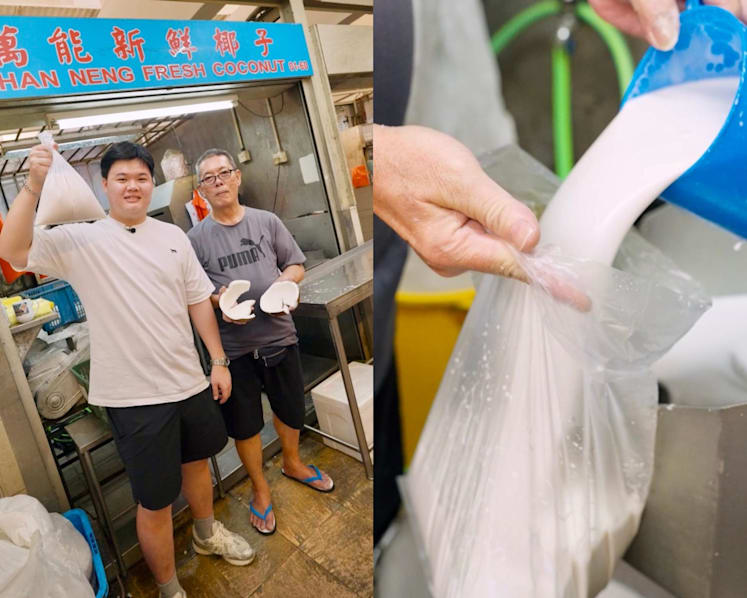
Although wet markets are no longer the thriving hives of commerce they once were, some people still hope that they do not become obsolete, especially since they have evolved with the times in recent years.
New stalls have cropped up in some wet markets with wares catering to contemporary tastes.
Among them: Eliko Picture Books & Collectibles at Chinatown Complex Market and Food Centre, which specialises in vintage picture books; micro-roastery Luli Roasts, which sells coffee beans sourced from Ethiopia, Guatemala and other countries out of a wet market stall in Toa Payoh; and Sideway at Tiong Bahru Market, which showcases a carefully curated selection of handmade ceramics and homeware.
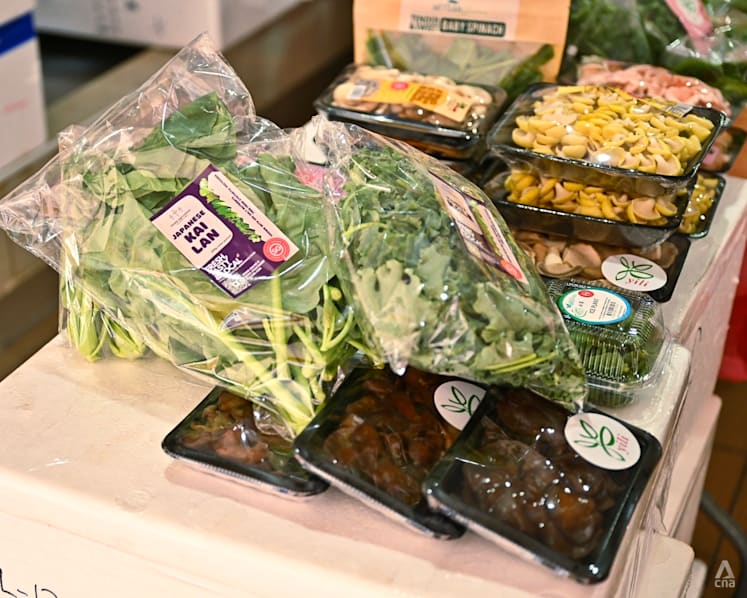
Elsewhere, some wet-market stalwarts have begun selling premium produce such as kale, wagyu and Italian herbs to attract discerning shoppers who could otherwise patronise high-end delis, while also offering mobile ordering, delivery services and even after-sales support.
As a result of such changes, a sociologist, stallholders and fans of wet markets said that these spaces are not dying, but entering a new phase – turning into community hubs where shoppers can get super-fresh premium produce, one-on-one advice on ingredients and cooking, even concierge services.
INCONVENIENT NO MORE
Mr Neo Jun He, general manager of the Quan Shui Wet Market company, which oversees eight traditional wet market stalls, a modern concept store and an e-commerce arm, said that the decline in wet market footfall "has been noticeable, particularly since COVID-19".
Shopping habits have changed over the years, with more people buying groceries online, and the pandemic accelerated the trend, he added.
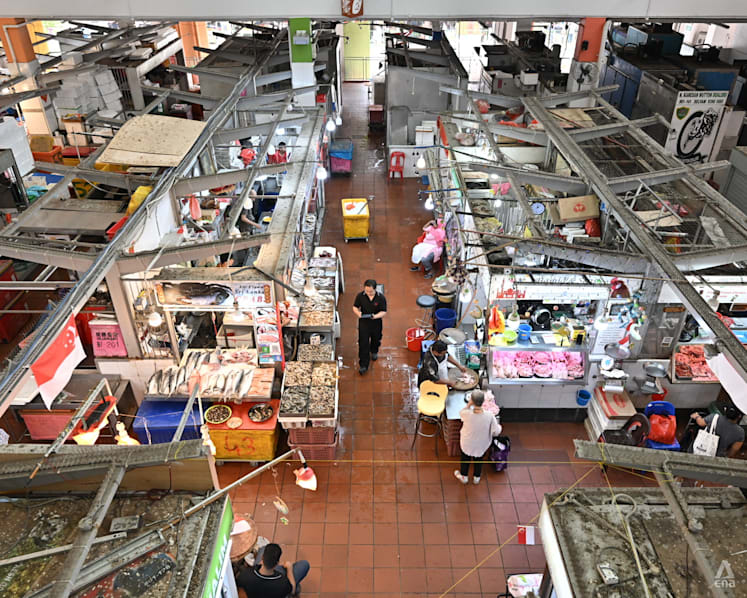
Many younger shoppers who spoke to CNA TODAY said that they rarely, if ever, set foot in a wet market, or that they had only done so in childhood when accompanying their parents and grandparents.
For some of them, it comes down to opening hours. Supermarkets typically close at night, or even stay open around the clock, whereas wet market stalls often close by the afternoon.
Ms Shona Suresh, a 32-year-old pet care professional, said that she occasionally visits the wet market because it is easier to buy smaller portions for her two-person household. However, the supermarket is sometimes still the better option for her.
"The convenience is there, especially if you have a schedule that is difficult to coincide with the market opening hours. Supermarkets also have quite a large variety of groceries, so it's a one-stop shop for all your household needs, beyond just cooking ingredients."
Ms Melissa Teo, 31, also prefers shopping in the evenings.
"I'm usually too busy or tired to get groceries (at the wet market) in the morning. Supermarkets usually open late till 10pm or 11pm, so it's more convenient for me."
The media professional, who is now on a work break, added that another advantage of shopping at supermarkets is the opportunity to use her credit card and accumulate air miles.
Ms Toh, the stallholder from Teck Ghee Court Market, recognised the stiff competition that supermarkets pose. Some of them even have wet market-like stations nowadays, she observed, which gives younger people little reason to visit a wet market.
Some stall operators, such as Ms Wende Niew, 60, are unfazed. Ms Niew owns Choon Kooi Provision Shop, which has been at Teck Ghee Court Market for more than 40 years.
She keeps her business running even though the market is "very, very, very quiet", because she likes to go to the market every day for "bonding time" with her fellow stallholders.
Other stallholders at the same wet market are raising their game, offering phone or online ordering and delivery services, and they said that the results have been promising.
Former chef Kelvin Sim, who runs Chef Sim's Cuts at Teck Ghee Court Market, said that his younger customers like to order meat online, while older ones tend to visit his stall "to see the meat in real life".
A few stalls away from Mr Sim's is Amina Halal Fresh Poultry, where remote orders make up 60 per cent of the takings.
Stall owners Sarah Norman, 38, and Norman Firdaus, 37, started taking delivery orders by phone and WhatsApp when they first started the business eight years ago.
Mr Norman, a former civil servant, said: "We started seeing the new generation walking around, but they don't know what exactly we sell or how we sell it."
He decided to meet these younger customers where they were, by offering a virtual catalogue. He didn't just include his own halal poultry, but also a list of offerings from the other stalls at Teck Ghee Court Market.
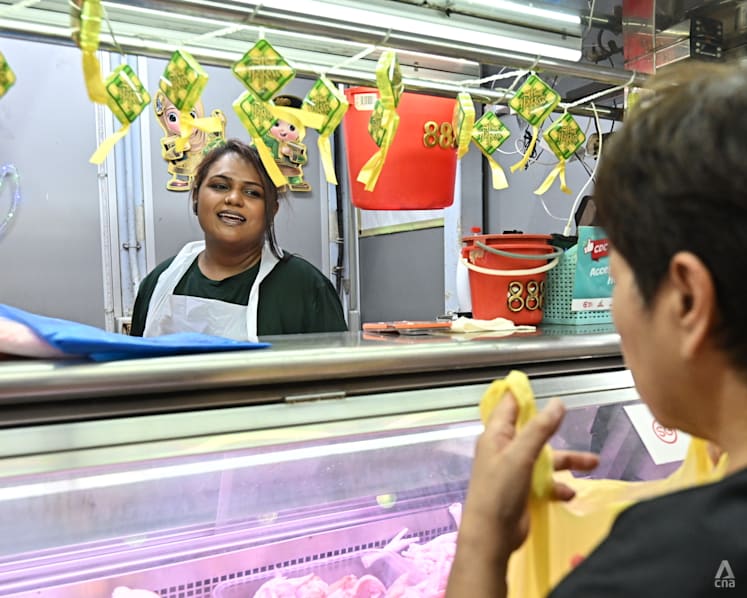
Instead of ordering separately from multiple stalls, customers can place all their grocery orders with Mr Norman, who then sources the items from neighbouring stalls and delivers everything in one bundle to their doorstep.
All this is done without charging the other stall owners, and born out of a desire to help them out, he said.
The service has worked so well that the married couple have some regular customers they have never even met.
"We don't even know what they look like. They will text us their orders, but they live there," Mr Norman said, pointing to a cluster of housing blocks a mere stone's throw away from the market.
Convenience and practicality aside, some young people are not confident of shopping at wet markets – from deciding how much to buy to communicating with the sellers, stallholders said.
Mr Chris Teo, 32, falls squarely within this category. The data scientist admitted: "My wife and I don't know where the nearest wet market is. Even if we did, we don't know how to haggle or gauge prices."
This is one of the pain points that Mr Colin Goh, the head chef at Let's Go Tour, hopes to address through his Market to Table Tour.
The tours, typically consisting of 60 per cent tourists and 40 per cent Singapore residents, take participants through a wet market to shop for ingredients to prepare a dish familiar to Singaporeans.
The tours run about three to four times a week, typically drawing two to 20 participants. Occasionally, they host up to 25 participants.
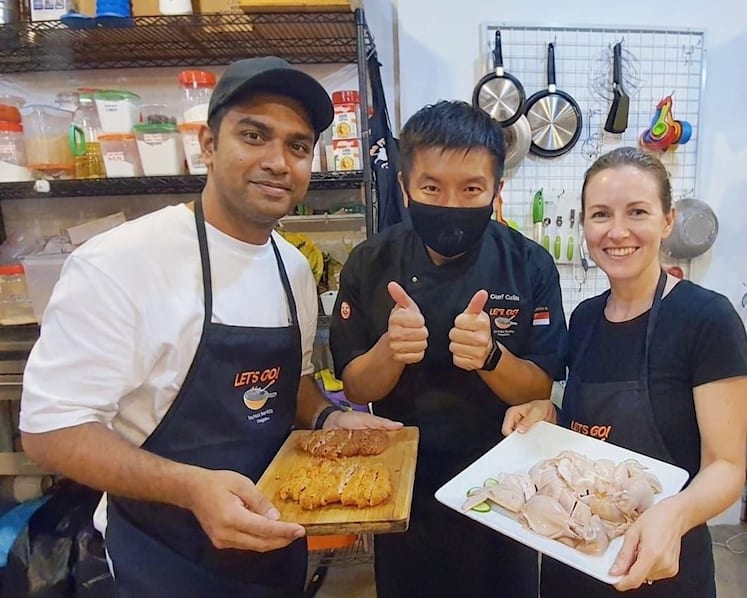
Mr Goh, 43, said that before the tours, some Singaporeans expect the wet markets to be confusing, unclean or a place where they will be overcharged, but they typically leave with a sense that these markets are full of warmth and offer the best ingredients one can find in Singapore.
Despite the lingering stereotypes against wet markets, Mr Neo, the third-generation owner of Quan Shui Wet Market, is rising to the challenge.
"I don't think the question should only be, 'How do we persuade young people to accept the traditional model?' We should also ask whether the model itself needs to evolve," he said.
That is exactly what the family business has been doing. They started out as Quan Shui Fresh Pork in 1968, growing to a chain of 15 wet market pork stalls over the years.
Then, the Neos started taking their business online in 2020, during the COVID-19 pandemic, out of necessity. What started as delivering online orders of fresh pork to customers gradually ballooned into a full online wet market, including produce and seafood.
"The opportunity for us is therefore not to convince younger Singaporeans to shop exactly like their parents did, but to make the wet market experience accessible in a form that works for them," Mr Neo added.
LESS BUSINESS, MORE HEART
As a big question mark hangs over the future of Singapore's wet markets, it is worth considering what makes them deserving of preservation, and which aspects of the institution should be maintained, observers said.
Mr Goh said that he still insists on taking his tour participants to a wet market for its distinctive character, even though a supermarket visit might give tourists a better idea of the average Singaporean’s daily routine.
"I wouldn’t want to take my tourists to a supermarket, because it’s not authentic enough."
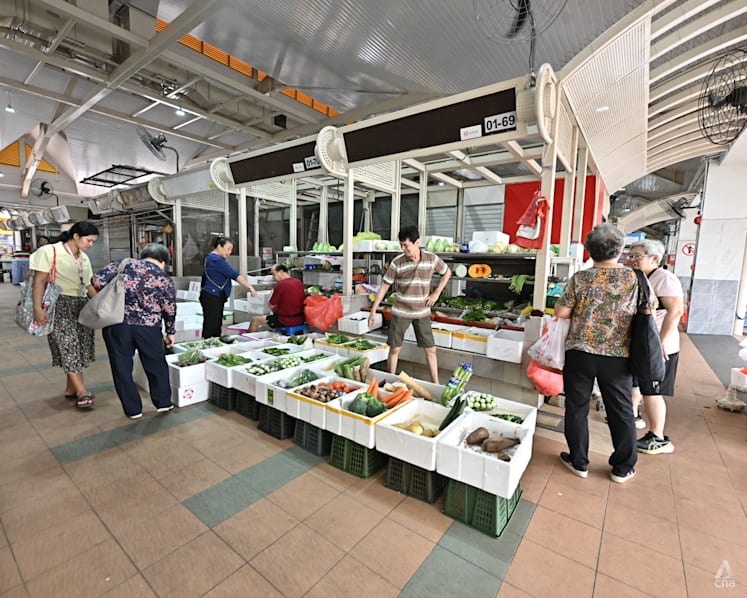
Professor Kelvin Low, head of the Department of Sociology and Anthropology at the National University of Singapore (NUS), said that wet markets carry a sense of the nation's history.
And beyond the history of how roving street hawkers were relocated into hawker centres and wet markets, these spaces have become important parts of Singapore's food culture and everyday life.
"People who have grown up shopping at wet markets with their families usually remember their sensory experiences," Prof Low added. These include the noise and smells, touching the produce and interacting with others.
These sights, sounds and smells then bring back memories, drawing them back to wet markets not just to buy food but also to socialise with others and enjoy the experience.
If wet markets decline further as Singaporeans' shopping habits continue to change, Mr Neo said that there would be a lot to lose.
Beyond the loss of stallholders' livelihoods, generations of knowledge and expertise could also disappear.
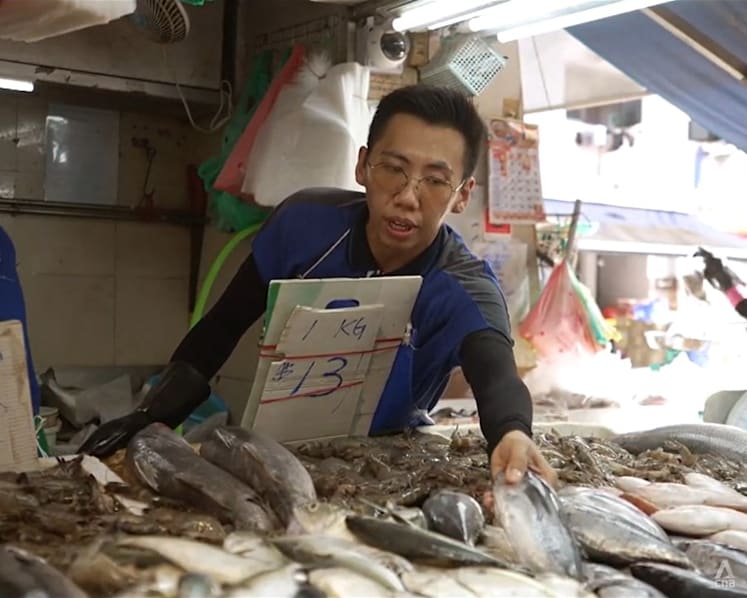
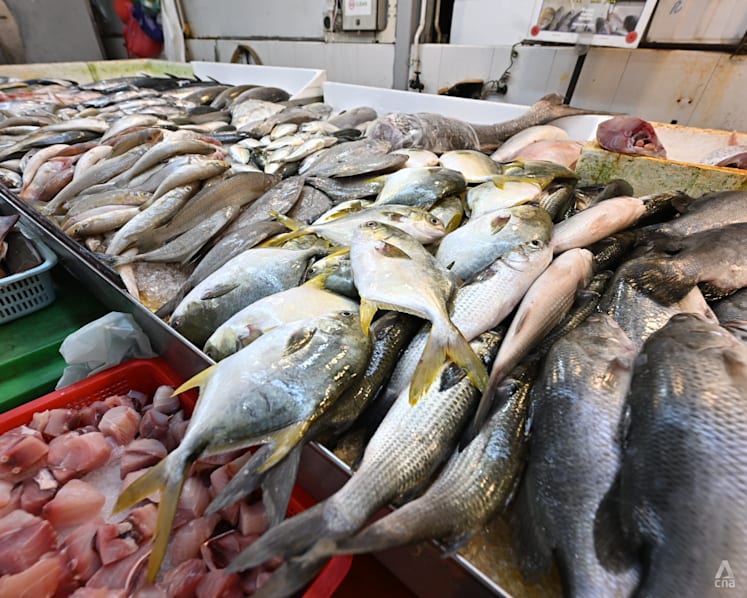
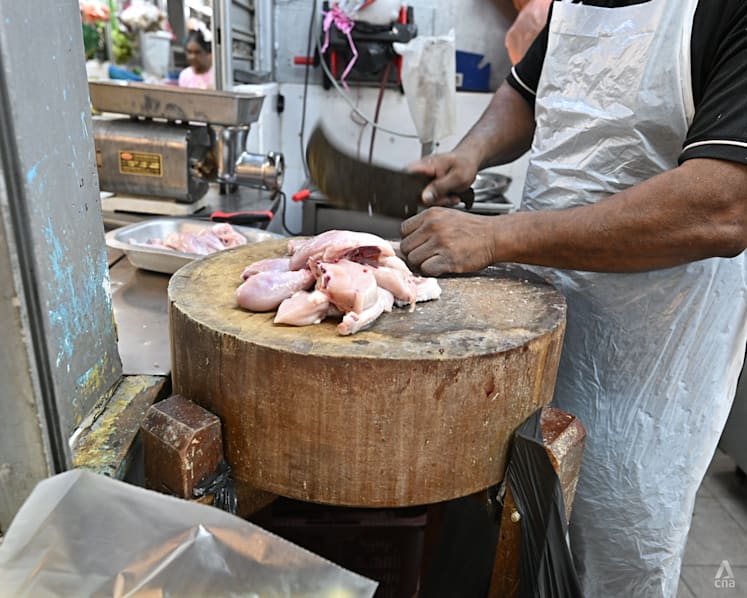
"A good fishmonger knows what arrived that morning. A butcher can recommend a cut based on what you're cooking and prepare it accordingly," he said.
"A vegetable seller might tell you what's good that day or how to cook something you've never tried before. Much of that knowledge isn't written down – it has been passed from person to person."
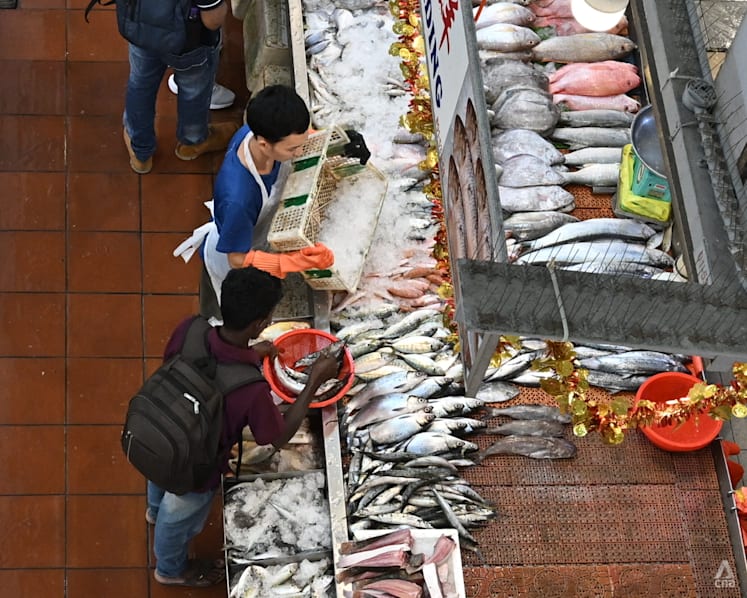
The stallholders interviewed agreed that sharing their knowledge with customers remains one of the joys of their work.
Mr Sim, who spent two decades working as a chef, happily dishes out cooking tips to customers.
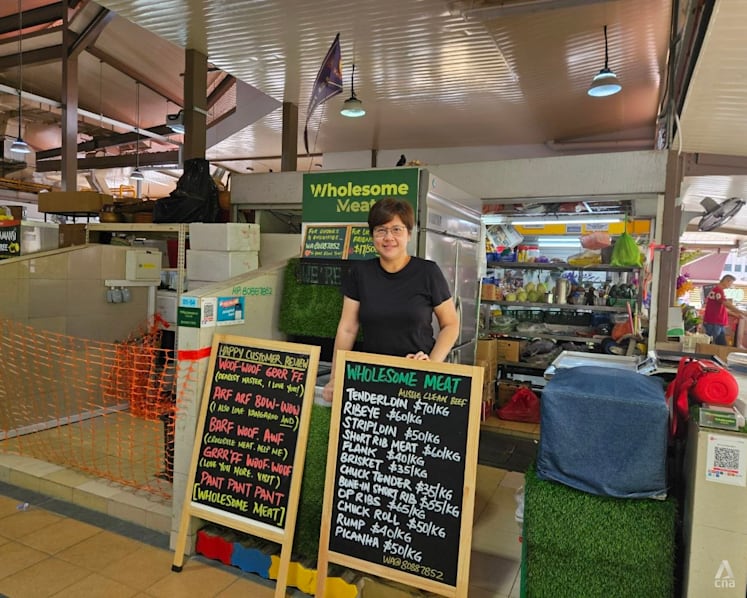
Wholesome Meat's co-owner Patricia Ng, whose stall is at Holland Village Market & Food Centre, offers "after-sales support" through WhatsApp.
Customers are encouraged to text her "anytime" for cooking advice, she said.
"We don't just sell you a piece of meat and you're on your own. If you have any questions, you have our WhatsApp number.
"We tell them, 'Take this home, we recommend doing it this way. Any problems, WhatsApp us and then we will guide you'."
Some customers also stay to chat at a table in front of Ms Ng's stall, and she said that friendships have been formed this way.
"We have young couples coming and talking to us about their kids. And then we've older people who sit down, and they also talk to us, because they can be quite lonely if their kids are all working overseas."
These communal bonds are another thing that would be lost if wet markets were to die out, Mr Neo pointed out.
"Beyond the food, we'd also lose part of Singapore's pasar (market) culture: familiar faces, conversations between neighbours and stallholders, and that sense of community around buying food for your family."
Mr Norman, the poultry stall owner, agreed that this sense of community is precious to hold onto at a time when he sees people becoming more socially isolated.
"I feel like people don't talk to people anymore. We don't even go downstairs anymore to buy our food. We order delivery, and we ask the riders to leave it at our doors.
"I feel Singaporeans should talk to each other more," he said.
"It's not just about business anymore. It's more about the heart.
"You meet everyday Singaporeans. Some of them talk to us about things like their house, their family. Until I came here, I didn't feel like I was connecting with many Singaporeans," he added.
ADAPTING TO SURVIVE
Perhaps unsurprisingly, Mr Norman has channelled his passion for the job into helping his wet market community adapt to buyers' changing habits.
When Amina Halal Fresh Poultry at Teck Ghee Court Market first started offering delivery services on the phone and via WhatsApp eight years ago, neighbouring stallholders found the idea hard to grasp, he said.
To help them get on board, Mr Norman and his wife went the extra mile, consolidating orders for the stalls and handling all the delivery logistics.
And when the couple started listing their poultry on food delivery platform GrabMart, they helped their neighbours list their products as well.
"Basically, any stall you see here, their items are also on our Grab listing. It didn't make sense only to list our chicken, because people don't just buy chicken," Mr Norman said.
While the other stallholders were initially sceptical, they eventually came around, he added. Now, shoppers can browse offerings from Amina Halal Fresh Poultry and 15 other vendors on GrabMart.
"They realised that it's a form of business for them, and this kind of thing has to be done."
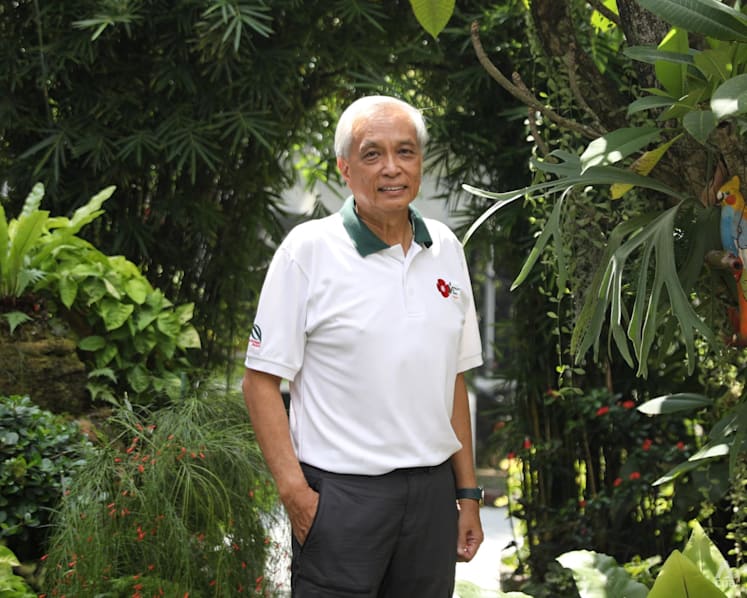

Mr Neo of Quan Shui Wet Market said his family's foray into the digital world has paid off similarly.
"What surprised us was that even after (COVID-19) restrictions eased, customers continued shopping with us online. That showed us that there was a group of Singaporeans who still valued wet-market produce, but wanted to buy it in a way that better suited their lifestyles," he added.
The company still operates eight traditional wet-market locations across Singapore, and Mr Neo's parents still helm their main wet market stall at 156 Bukit Batok Street 11.
Today, Mr Neo estimates that Quan Shui's revenue is split evenly between its modern wet-market business, comprising e-commerce and its Modern Wet Market store at 50 Tagore Lane near Upper Thomson, and its traditional wet-market operations.
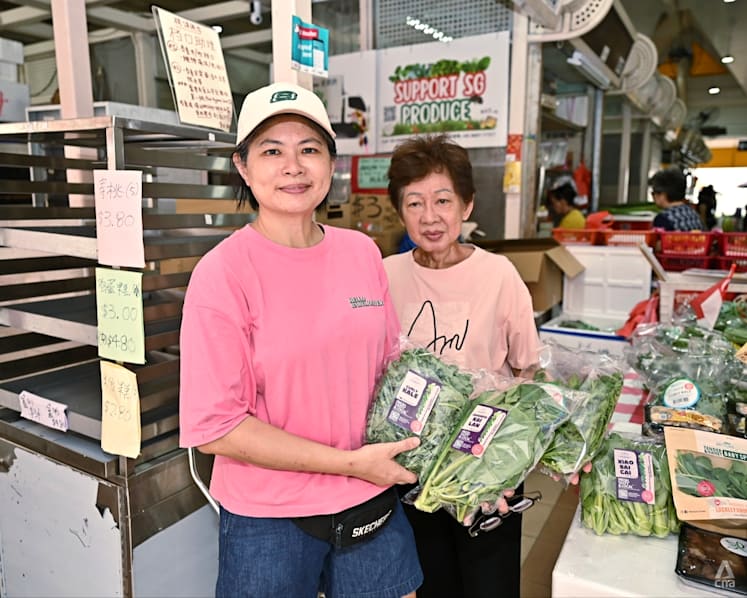
Ms Toh, the stallholder selling vegetables at Teck Ghee Court Market, is taking a different approach. Instead of building an online presence, she believes in slowly and steadily growing her customer base by showing why her offerings are special.
While conventional vegetable stalls in most markets sell a mix of imported and local vegetables, Ms Toh stocks only Singapore produce and highlights the farms behind each vegetable.
Some customers are getting on board and will choose her produce even if supermarkets sell a similar item for a slightly lower price. For example, she said, a bundle of spinach at her stall might cost S$3, while a supermarket chain might sell it for S$2.28. Her customers will still buy it from her.
"They understand the value of getting a fresher produce, but at the same time, there is also a small percentage who say that they want to support Singapore's farms, which is very encouraging."
A vegetable seller might tell you what's good that day or how to cook something you've never tried before.
At Holland Village Market & Food Centre, Ms Ng from Wholesome Meats is also targeting the increasingly discerning market-goer, selling grass-fed, free-range beef that is antibiotic-free and hormone-free.
"The same product that we sell here, you probably can't get it at any supermarket for that price. Supermarkets have higher overheads. Our agenda is affordable beef for as many people as possible," she said.
Ready-to-eat meals are another product becoming more common, aimed directly at the busy working adult who has no time to cook, but does not want to eat out.
Ms Ng started selling frozen beef rendang a few weeks ago – made with her stall's beef, of course.
"Interestingly, we sold out on the first day," she said. "Customers say that it is great. They can just put it in a steamer. It's homemade. There are no preservatives. They know it comes from our beef, so the quality is good."
Mr Neo noted that for busy households, "convenience doesn't necessarily mean eating out".
"Sometimes, it simply means having the meat portioned properly, ingredients clearly labelled, or something already marinated so dinner can be prepared quickly," he said.
CHANGING WITH THE TIMES, KEEPING THE HUMAN TOUCH
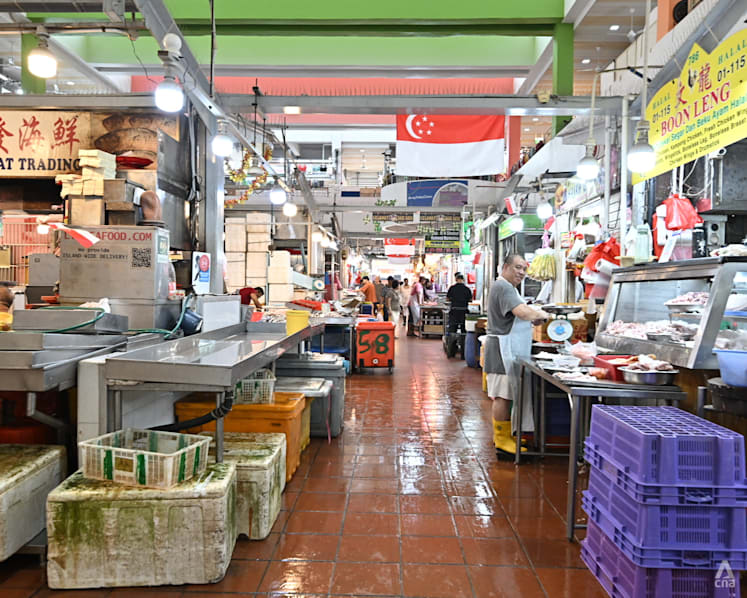
For decades, the wet market has been defined by a specific and sensorial experience: the early morning trip, the slippery floor, the smell of fresh meat and seafood, the stallholders who remember your orders.
As wet markets get swept by the tide of time, making evolution inevitable, can these traditional spaces still preserve their old soul?
For the people working in and around wet markets, the answer is "yes". They noted that it all comes down to one thing: the human touch.
Ms Toh said that she began to expand her offerings, stocking items such as huat kueh – Chinese steamed cakes typically bought for prayers – after customers asked for them. This is particularly useful for older residents who might otherwise have to travel farther to find what they needed.
"Before I started this business, I never went to the wet market," Ms Toh admitted.
But after opening her stall, she found herself becoming attached to the community that began to form around her. She has come to know some customers well enough to remember their allergies.
"I think it’s a pity if such a connection is broken. We are an ageing population, right? That’s the reason why I started this journey. I’m in my 50s, so 10 years down the road, I will still have a community."
When Madam Poon Kein Hoon, 65, wanted to set up her Japanese home goods stall, Roomy Heart, at Tiong Bahru Market eight years ago, she had not even decided what to sell when she put in her bid.
She only had one aim – to spread the kampung spirit that her grandfather instilled in her.
She was an architect before she left the workforce to care for her children.
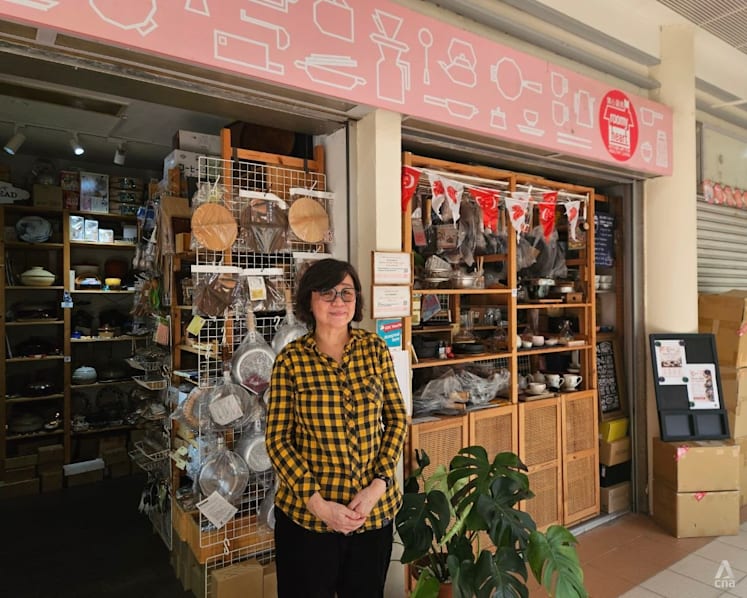
Over the years, Madam Poon has observed a decline in community spirit, with more people keeping their doors closed and windows shuttered.
So when she stumbled upon a stretch of Tiong Bahru Market with far less foot traffic than the rest of the market, she took the chance to add vibrancy to the area and create a space for the community to gather.
"With a background in urban design and architecture, I naturally found myself thinking about how to revitalise this stretch, inject energy into the pedestrian walkway and naturally draw the foot traffic to this area," she said.
"A market should be a destination, a memory creator, an anchor for daily social life – not just a transaction point."
She does not measure the success of her business in financial terms. Instead, she finds her greatest satisfaction in customers' smiles.
"Seeing each one of them leaving my shop with a smile and getting a little spark back, that's the best reward for me to carry on my business and the motivation."
Maintaining the human touch remains non-negotiable for many of the stallholders who spoke to CNA TODAY, but they seem less attached to some other traditional aspects of wet markets.
"Why must wet markets be dirty and smelly? Why must wet markets be hot and stuffy? It doesn't have to be this way," Ms Ng from Wholesome Meats said, adding that she would welcome air-conditioning in wet markets.
Madam Poon also believes that perceptions of wet markets need to change.
"Why must these markets limit themselves to selling cheap goods instead of offering high-quality, durable and useful products that stand the test of time? That's what I'm doing."
However, as Singapore's wet markets evolve, could something else be lost along the way – their traditional role as an affordable place for everyday consumers to buy groceries?
Mr Neo of Quan Shui Wet Market sees no inherent contradiction. Wet markets have never competed purely on price, he said.
"Wet markets have always competed on freshness, quality, relationships and value – not simply on being the cheapest place to shop."
What is happening now, he added, is less a departure from the wet market model than an expansion of it.
Indeed, a similar evolution has taken place at hawker centres across the island, Prof Low the sociologist said.
Apart from traditional fare, "hawkerpreneurs" have introduced international cuisines that cater to different consumer groups.
"Bearing in mind the costs of rent and maintenance, I think the influx of more specialised stalls also reflects a widening consumer base with more differentiated expectations or tastes," Prof Low added.
In Mr Neo's view, this diversity in consumer tastes is a good thing.
"To me, that's healthy for the wet-market ecosystem. It shows that the format can evolve rather than having to remain one-dimensional."
And while the physical environment and goods on offer at wet markets may change, their underlying culture can endure, he said.
"Our hope isn't necessarily that every young Singaporean wakes up at 6am to shop at a wet market.
"It's that the values behind the pasar – freshness, knowledge, relationships and community – remain relevant even as the way we shop changes."
Editor's note: An earlier version of this article stated that Ms Aileen Toh's customers bought kale from her even though it was more expensive than in a supermarket. She has clarified that she was referring to her spinach. The article has been updated accordingly.