Retirement planning isn't just about savings. It's about what you'll do on Monday morning
Retirement often promises freedom after decades of work, but the changes it brings are no less demanding than those of other milestones in life. Here's how to adjust – with tips from mental health experts.
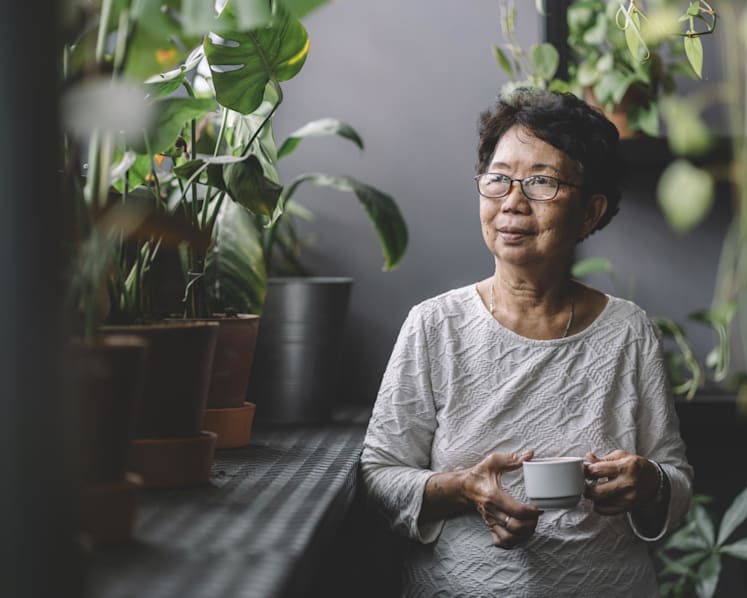
For some older adults, retirement can bring feelings of loneliness or a loss of purpose, making emotional preparation just as important as financial planning. (Photo: iStock)

This audio is generated by an AI tool.
For more than a decade, Madam Betty Tan's days followed a familiar rhythm.
She worked as a cleaner for 13 years at the Tsao Foundation, a social service organisation that helps seniors age well.
When she retired in 2022 to care for her 92-year-old mother with the help of a domestic worker, she thought life would become less hectic. She did not expect it to feel emptier.
Although household chores and caregiving kept her preoccupied, there were long stretches of the day that she did not know how to fill.
"I had nothing to do. I had no more routine," the 77-year-old recalled of the initial period after retirement.
Boredom slowly crept in and she found herself feeling listless and stressed, the hours slipping away without purpose.
Eventually, the retiree began planning a new routine for herself.





She returned to the Tsao Foundation at least once a week – not as an employee, but as a volunteer at its Hua Mei Active Ageing Centre, where she helps take attendance during activities and supports outings for seniors.
Retirement, a significant milestone in life, is often portrayed as a well-earned reward after decades of work.
But for many older adults, leaving the workforce also means losing the routines, relationships and sense of identity that had shaped everyday life – a transition that can take a toll on their emotional well-being.
A Well-being of the Singapore Elderly (WiSE) study by the Institute of Mental Health found that the prevalence of depression among seniors in Singapore rose from 3.7 per cent (one in 27) in 2013 to 4.4 per cent (one in 23) in 2023.
Social isolation and shrinking support networks – both risks that can accompany retirement – are known contributors to poorer mental health among older adults.
It may explain why some seniors choose to remain in – or return to – the workforce.
WORK IS MORE THAN A PAY CHEQUE
An AIA Live Better study conducted in 2025 found that one in two Singaporean residents planned to continue working after retirement.
Of that group, fewer than three in 10 were doing it purely for financial reasons. Most wanted to avoid boredom and to try something new, for example.
However, mental health experts said that having a job is only part of the answer. It is also about replacing what work once provided.
Associate Professor Ng Chong Jin, head of geriatric medicine at Khoo Teck Puat Hospital, said: "Work gives structure to the day, a sense of purpose, social interactions, intellectual stimulation and an identity."
He added that returning to work can help only if the work is meaningful and suits the person's interests, abilities and health.
"The real protective factor is not employment itself but having purpose."
That purpose can come from volunteering, caring for grandchildren, lifelong learning, community groups or new hobbies.
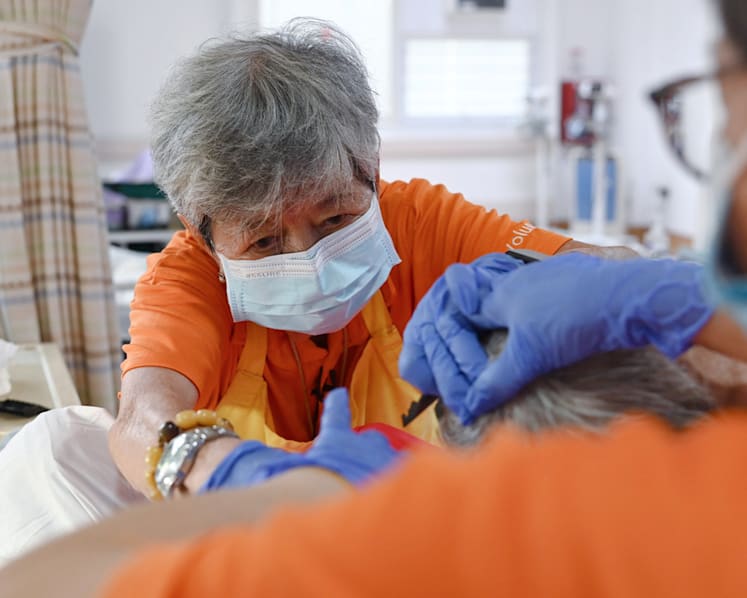
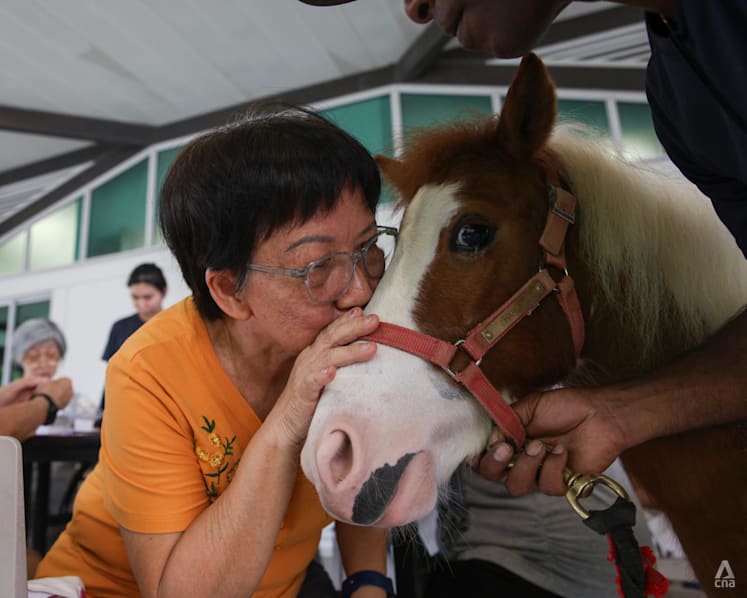
Dr Andrea Tan, a general practitioner at Hua Mei Clinic, said that retirement often creates a vacuum that people underestimate.
"Cycling or walking to the office and talking to co-workers – that's a big source of physical, cognitive and social stimulation.
"If retirees don't have many social connections outside and they're just at home all day, you really do see a significant decline (in their physical and mental health)."
Ms Loh Yan Zhu, head of counselling and coaching at the Tsao Foundation, also talked about an "identity vacuum" when one's former role is gone.
She noted that the current generation of male seniors tends to experience this because they place significant emphasis on their identity as providers.
Retirement can feel liberating, with more time to travel and sleep in, free from workplace pressures.
Yet, like any major life transition, the honeymoon period soon fades.
Retirees then begin asking the question that is not easy to answer: "What do I do now?"
FINANCIAL PLANNING IS ONLY HALF THE STORY
Health experts believe that many people spend years planning how to afford retirement, but far less time thinking about the personal changes that come with it.
"Traditionally, retirement planning has focused on the financial aspect and, more recently, maintaining physical health. Social well-being often receives much less attention," Assoc Prof Ng said.
The AIA survey reflects the imbalance. Only about two in five Singaporean residents think about social wellness in retirement and take steps to prepare for it.
Mr Hoon, a 58-year-old retiree who declined to give his full name, believes that people generally keep the emotional side of retirement to themselves.
"Very few of us talk about it.
"As Asians, we're expected just to move on. You deal with whatever issues you have on your own and don't go about telling people what you are struggling with."
That silence can make it harder for retirees to recognise that they need help.
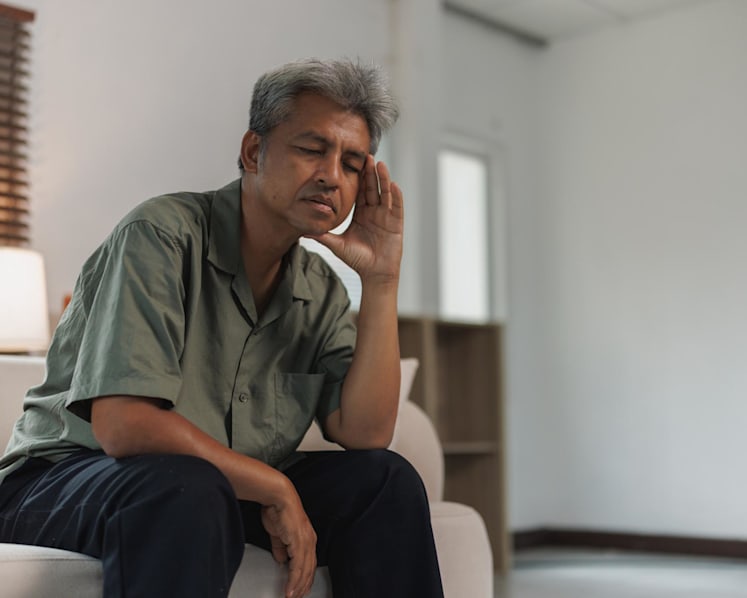
Ms Loh from the Tsao Foundation said: "There's this stereotype that retirement is something you just have to sit with, that you just deal with loneliness or emptiness."
Many retirees, she added, internalise such feelings and do not seek support until they have developed unhealthy ways of coping.
Some slowly withdraw from family and friends or experience recurring physical symptoms without an obvious medical cause.
Others become more irritable and critical of loved ones, or spend excessive amounts of time sleeping, watching television and scrolling on their phones.
"These are often survival mechanisms rather than deliberate choices," Ms Loh said.
BUILDING A LIFE AFTER RETIREMENT
So how does one prepare mentally for retirement?
Assoc Prof Ng advised people to think about the "three P's":
- Purpose – having something meaningful to wake up for
- People – maintaining strong social connections
- Physical activity – staying active to support both physical and mental health
"If these three pillars are in place, retirement can be one of the most rewarding phases of life," he said.
Ms Loh from Tsao Foundation believes one of the biggest mistakes that people make is allowing all their social connections to revolve around work.
"If there's no more work, then what happens once you retire?"
She encouraged older adults to build friendships outside the workplace well before they stopped working and to give themselves time to adjust.
"Retirement is a major life transition. It takes time to establish a new rhythm.
"If feelings of loneliness, anxiety or a loss of purpose persist, seek support early."
PREPARING FOR RETIREMENT: PRACTICAL TIPS
BEFORE RETIREMENT
- Think about how you want to spend your time, who you want to spend it with, and what gives you purpose beyond work
- Build your “third space” early by cultivating hobbies, friendships and community connections outside the workplace
- Have open conversations with your spouse or family about expectations, roles and how daily routines may change
- If possible, take an extended break or a sabbatical before retiring to experience what unstructured days feel like
AFTER RETIREMENT
- Keep a regular daily routine, including consistent sleep and wake times
- Stay physically active and make it a point to go out regularly
- Nurture friendships and stay involved in activities that provide purpose, structure and social connection
- Give yourself time to adjust and seek support early if feelings of loneliness, anxiety and loss of purpose persist
Source: Ms Loh Yan Zhu, head of counselling and coaching at the Tsao Foundation
Mr Hoon credits his own relatively smooth transition to the habits he built long before retiring in late 2024.
The former civil servant begins each day with a brisk walk and meets people about three times a week for mahjong – a pastime he already enjoyed while working.
He has also expanded his social circle through Facebook and Telegram mahjong chat groups.
THE MANY FACES OF LOSS
In what feels like a season of freedom, retirement also coincides with a stage of life when loss becomes more common.
Mr Ow Chin Kwee, 78, retired from his renovation business at the age of 48.
For years, he spent time looking after his grandchildren with his wife, and pursuing other leisure activities.
This changed in 2010 when his wife died at the age of 65 after battling liver cirrhosis and cancer.
"It was one of the hardest periods of my life," he told CNA TODAY.
"We had spent many years together. Suddenly, life became much quieter and I had to adjust. I missed having someone to share my daily life with."
Although his family visited him at times, he was living largely on his own.
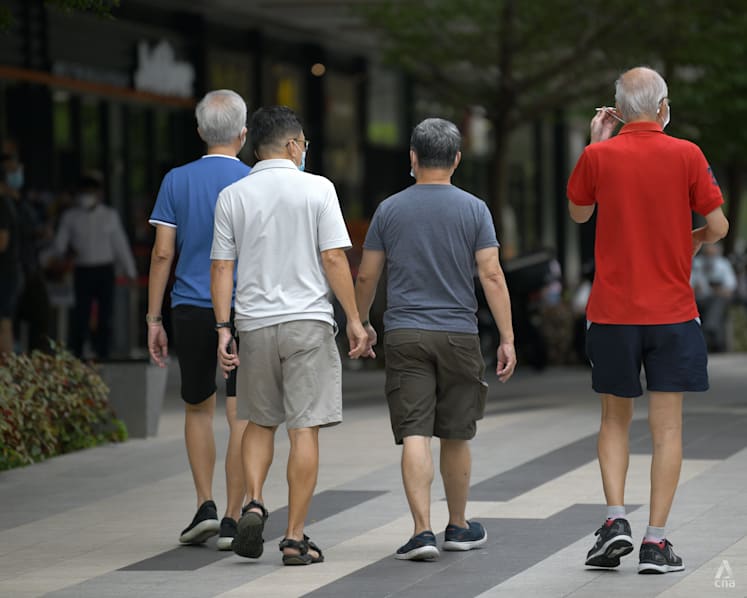
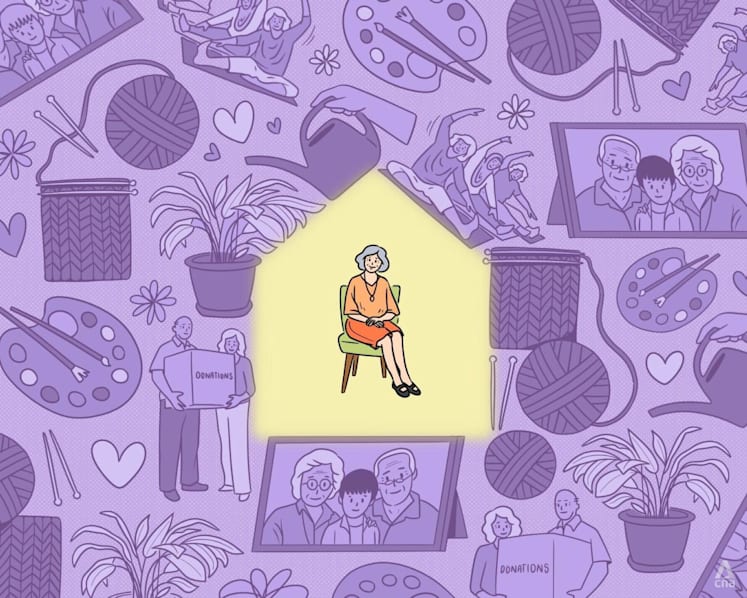
Ms Loh said that seniors referred for counselling are often coping with grief and loss.
Apart from death, loss can also mean declining health, reduced independence or having to give up activities that once gave life meaning.
"It's about stabilising them after the loss, and then helping them see a purposeful and meaningful future after the crisis has happened," she said.
After his wife's death, Mr Ow was identified as being at risk of social isolation by the Silver Generations Office, a part of the Agency for Integrated Care for volunteer recruitment and senior outreach.
He was referred to the Tsao Foundation's buddying and befriending service, which aims to keep seniors connected through regular check-ups, phone calls and activities.
Volunteers encouraged him to join activities at Hua Mei Active Ageing Centre.
"I met many new friends," Mr Ow said.
"I became more involved in the programmes and really enjoyed taking part in the outings and activities."
THE CHANGING DYNAMICS AT HOME
For other couples, they may have to adjust to their changing roles and spending more time together.
This can be when the family's sole breadwinner retires, or when both spouses step away from work at the same time.
Dr Tan from Hua Mei Clinic said: "For people whose sense of identity is very much tied to being successful, performing well, meeting targets or bringing money home, that's their main sense of achievement and purpose in life.
"I think retirement will hit them harder."
Retirement is a major life transition. It takes time to establish a new rhythm.
Dr Tan said that men and women often take to retirement differently, likely due to societal norms.
Women, she said, may already have more established social and family roles that continue beyond retirement, providing greater continuity.
"They may also view retiring more positively, since it gives them more time to spend with their family."
She pointed out that retirement is a transition not just for the individual, but for the entire household.
During the transition, one partner may look forward to slowing down, while the other expects more help with caregiving or household responsibilities. These differing expectations can create friction if they are not discussed openly.
Dr Tan thus advised couples to have honest conversations about what retirement looks like for each person before it happens.
Discuss expectations, respect each other's need for personal space and interests, and make time for shared activities while maintaining separate routines and friendships.
"Retirement is an opportunity to redefine the relationship and enter a new phase of life together."

RECOGNISING THE WARNING SIGNS
Feeling uncertain or aimless after retirement is quite common.
What should not be dismissed, the experts said, is persistent emotional distress.
Assoc Prof Ng said that family members are often the first to notice warning signs, including:
- Persistent sadness lasting several weeks
- Losing interest in activities they previously enjoyed
- Withdrawing from family and friends
- Spending most days at home with little motivation to go out
- Significant changes in sleep or appetite
- Feeling worthless and hopeless
- Neglecting personal hygiene or medical appointments
If such symptoms persist, it is important to seek help early, he cautioned.
And to know that it is perfectly okay to do that.
"Depression is not a normal part of ageing or retirement," Assoc Prof Ng said.
"Early intervention is highly effective. And many people recover well with appropriate treatment and support."
Today, Mdm Tan's days have settled into a familiar routine once again.
She still spends much of her time caring for her mother, but every week, she returns to Tsao Foundation as a volunteer, greeting familiar faces and helping other seniors stay connected.
Looking back, retirement was not simply about having more free time.
It was about taking steps to plan and enrich her life in new ways.
WHERE TO FIND SUPPORT
Tsao Foundation: 6593 9500 or visit its website
The Seniors Helpline by SAGE (Singapore Action Group of Elders): 1800-555 5555
National Mental Health Helpline: 1771
Connect with an Active Ageing Centre
Connect with RSVP Singapore (The Organisation of Senior Volunteers)