Tech back in fashion as Asian markets extend rebound
Crude oil rose on Wednesday (Aug 5) after Yemen's Iran-aligned Houthi rebels said they attacked a Saudi oil tanker in the Red Sea, denting hopes of a restoration of shipping traffic and oil flows in the Middle East.
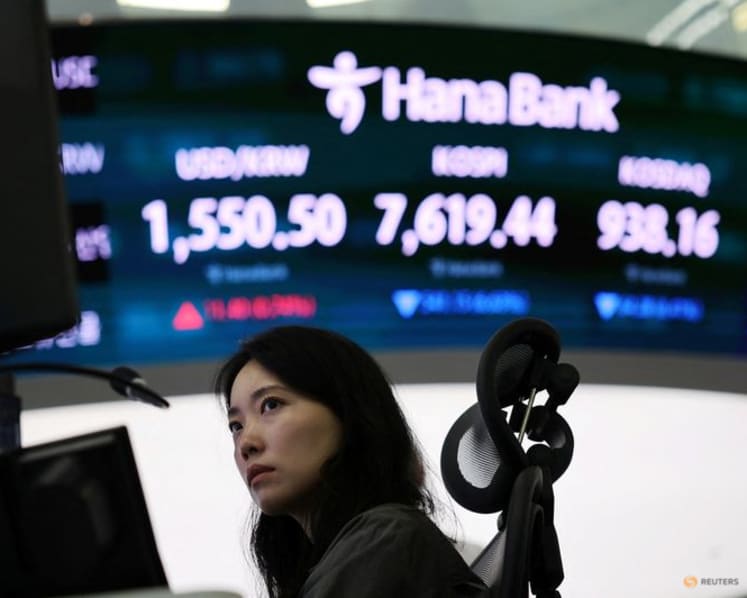
A currency dealer works in front of an electronic board displaying the exchange rate between the US dollar and South Korean won, the KOSPI and South Korean won and the KOSDAQ at the dealing room of a bank in Seoul, South Korea, on Jun 8, 2026. (File photo: Reuters/Kim Hong-ji)
HONG KONG: Asian equities climbed again Wednesday (Aug 5), tracking another record on Wall Street, as tech firms enjoyed a recent revival after a month-long rout and with confidence boosted by the Trump administration touting an imminent deal to reopen the Strait of Hormuz.
After spending four weeks unloading their positions over fears that the AI-led rally had come to a shuddering halt, investors were piling back into the sector to extend a rebound that began in breathtaking fashion Friday.
Strong earnings and positive forecasts from market heavyweights including Amazon, Microsoft and data-mining giant Palantir have injected fresh interest in tech, helping overcome worries about massive spending on artificial intelligence and when that will see a return.
All three main indexes on Wall Street chalked up gains Tuesday, with the S&P 500 and Dow hitting records - while there were also new peaks for Paris, Milan, Frankfurt and Madrid.





That optimism filtered through to Asia where Seoul - which has been at the forefront of extreme volatility in the tech sector over the past month - climbed 3.8 per cent.
Tokyo, which has also benefited from the AI boom, was up more than three per cent, while Taipei added 2.9 per cent.
There were also gains in Hong Kong, Shanghai, Sydney, Wellington, Mumbai and Jakarta.
London, Paris and Frankfurt opened higher.
The gains come as a relief to traders after a wave of tech selling, which was also linked to worries of higher US interest rates, saw Seoul fall more than 40 per cent from its June record high.
The losses were led by chipmakers SK Hynix and Samsung, which collapsed up to 50 per cent from their own peaks.
Friday's rebound - the KOSPI surged almost 18 per cent and SK Hynix 30 per cent - came on the back of bargain-buying and positive earnings among other things.
Gains have been helped this week by hopes that the US-Iran truce will be reset after weeks of tit-for-tat strikes.
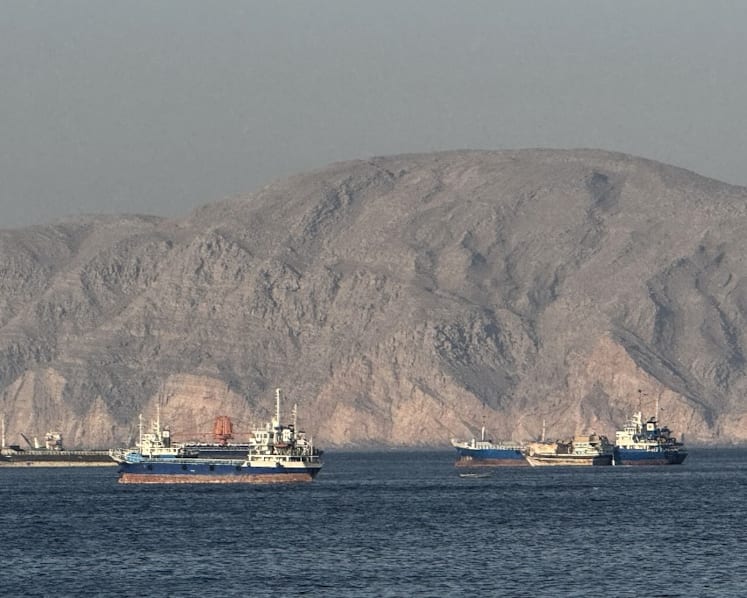
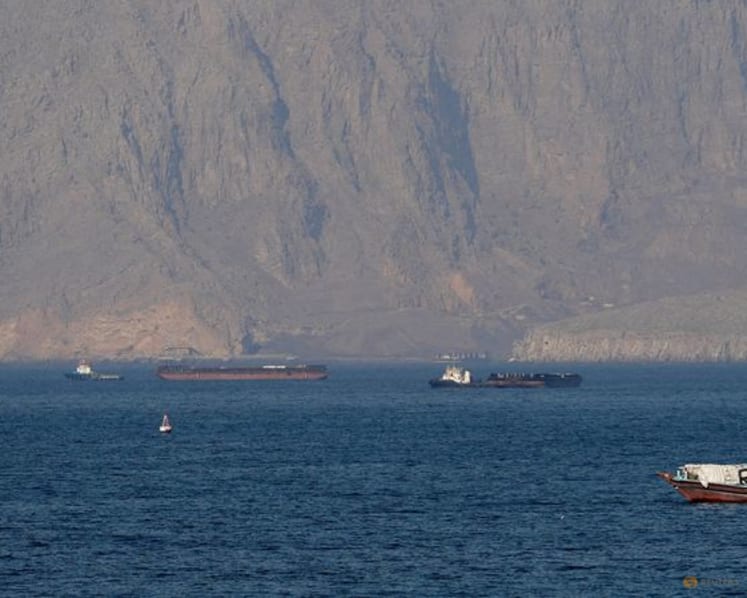
But oil prices rose on Wednesday after Yemen's Iran-aligned Houthi rebels said they attacked a Saudi oil tanker in the Red Sea, denting hopes of a de-escalation in Iran war hostilities that could restore shipping traffic and oil flows in the Middle East.
Brent crude futures were up US$1.51, or 1.9 per cent, at US$80.87 a barrel by 1123 GMT. US West Texas Intermediate futures gained 90 cents, or 1.19 per cent, to US$76.67.
The Houthis said they had launched a missile attack on a Saudi oil tanker off the coast of Yanbu, a key port for Saudi crude oil exports.
That drove oil prices higher on Wednesday, UBS analyst Giovanni Staunovo said.
Saudi officials did not respond immediately to a request for comment.
The reports of the attack dented investor hopes of a de-escalation in the Middle East conflict after Qatar said on Tuesday that mediators were making progress with efforts to end the war.
That drove down oil prices by 5 per cent on Tuesday, with Brent closing below US$80 a barrel for the first time since Jul 13.
Tehran, meanwhile, denied that peace talks were under way, contrary to assertions by US President Donald Trump.
"While the immediate geopolitical premium has unwound, the broader supply picture warrants caution," said Priyanka Sachdeva, head of market insights at Phillip Nova.
Before the war started, about 20 per cent of the world's oil and liquefied natural gas passed through the Strait of Hormuz.
"The main sticking point appears to be whether Iran will continue to insist on a degree of control over the waterway, and whether the US will stand its ground and refuse that outcome," IG analysts said in a note.
US crude and gasoline inventories rose while distillate stocks fell last week, market sources said on Tuesday, citing data from the American Petroleum Institute.
Crude stocks rose by about 2.7 million barrels in the week to Jul 31, the sources said. Elsewhere, China further relaxed controls on fuel exports in August.