







Indonesia central bank governor Perry Warjiyo steps down in surprise move
Destry Damayanti, a senior deputy governor at the central bank, has been appointed as interim governor.
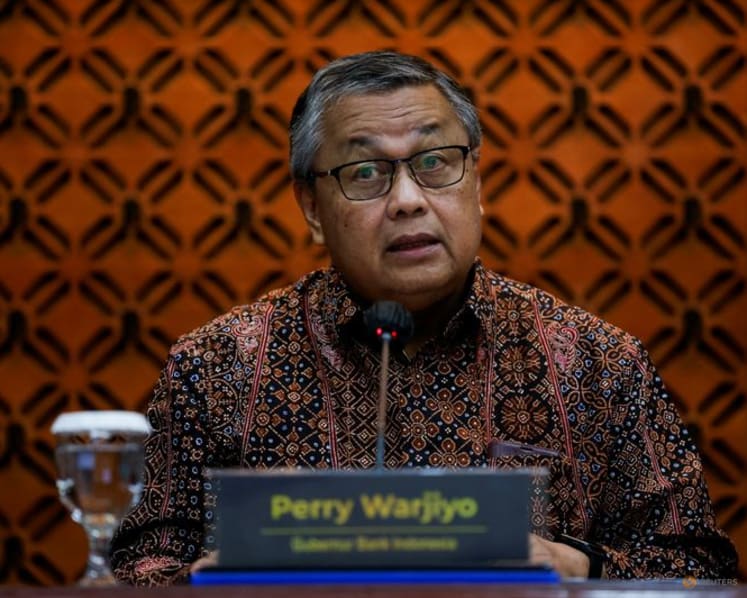
Indonesia's Central Bank Governor Perry Warjiyo speaks during a press conference at the Bank Indonesia's headquarters in Jakarta, Indonesia, on Jan 17, 2024. (File photo: Reuters/Willy Kurniawan)
JAKARTA: Bank Indonesia Governor Perry Warjiyo has stepped down from his role, Indonesia's State Secretariat Minister Prasetyo Hadi said on Monday (Jul 27), a surprise move analysts said could rattle investors worried about the central bank's independence and the country's fiscal management.
President Prabowo Subianto has accepted Perry's resignation, Prasetyo told reporters in an early morning press conference, ahead of the opening of financial markets in Jakarta.
Destry Damayanti, a senior deputy governor at the central bank, has been appointed as interim governor. Destry said that Perry had stepped down for personal reasons.
The rupiah weakened as much as 0.32 per cent to 17,992 a dollar following the announcement, while the main stock index JKSE flipped between gains and losses in choppy trade.





Prasetyo said Perry submitted his resignation through a letter to the president, but declined to elaborate on Perry's personal reasons. Perry could not be reached for comment.
"What must now be anticipated after Perry's resignation is the weakening of Bank Indonesia's independence," said Bhima Yudhistira Adhinegara, executive director of Center of Economic and Law Studies.
"Restoring investor confidence will certainly not be easy, especially since the direction of monetary policy is under executive control. As long as the political pressure on Bank Indonesia continues, Perry's internal replacement will not last long."
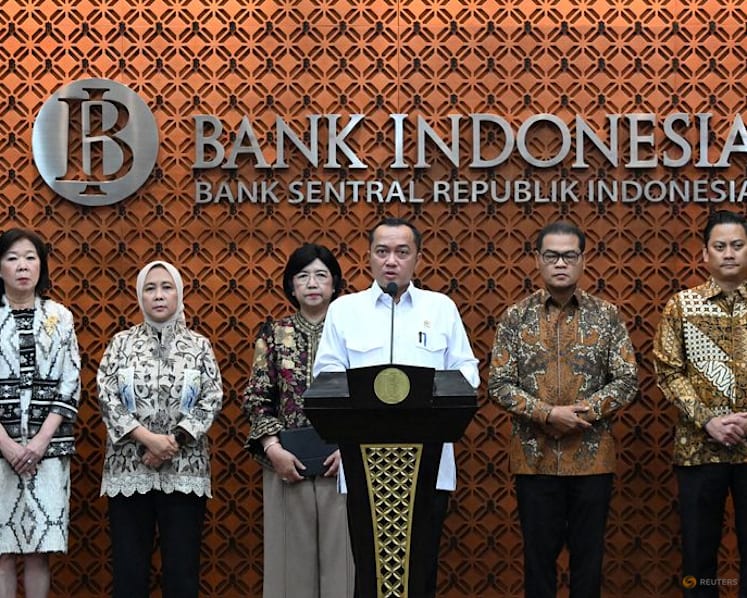
BANK INDONESIA ROLE AND INDEPENDENCE
Perry was first appointed as governor in 2018. He was reappointed for a second five-year term in 2023.
"A lot will depend on who takes over, with Destry, a senior deputy governor, stepping in initially," said Angus Mackintosh, an Association of Southeast Asian Nations (ASEAN) specialist, at Aletheia Capital in Singapore.
"If Prabowo’s nephew (Thomas Djiwandono), as a deputy governor steps in, the market will regard this with suspicion, given this is a crucial technocratic post and BI should remain independent."
Bank Indonesia has been under pressure to support Prabowo's big-growth agenda, while the rupiah slid to an historic low in June amid global market turmoil and concern over Indonesia's fiscal management and central bank independence.
Indonesia's parliament last month passed sweeping legislation that doubles down on the central bank's role to support growth, while empowering lawmakers to make binding recommendations for independent financial regulators and the central bank.
Bank Indonesia "will always ensure the continuity of its duties and authorities" to maintain stability of the rupiah and financial system to achieve an economic environment that is conducive for growth, Destry told reporters following the announcement of the resignation.
She said BI will continue work in accordance to best practices.
Rating agencies Moody's and Fitch cited concerns regarding changes in Bank Indonesia's mandate as among key drivers of their credit rating outlook cut to "negative" earlier this year.
However, rival rating agency S&P this month kept its Indonesia rating outlook "stable" and said that Bank Indonesia has had a level of operational independence since July 2005 that was roughly in line with regional peers and it did not expect its changing mandate to drastically affect such independence.
All three rated Indonesia's debt at the second to lowest investment grade.
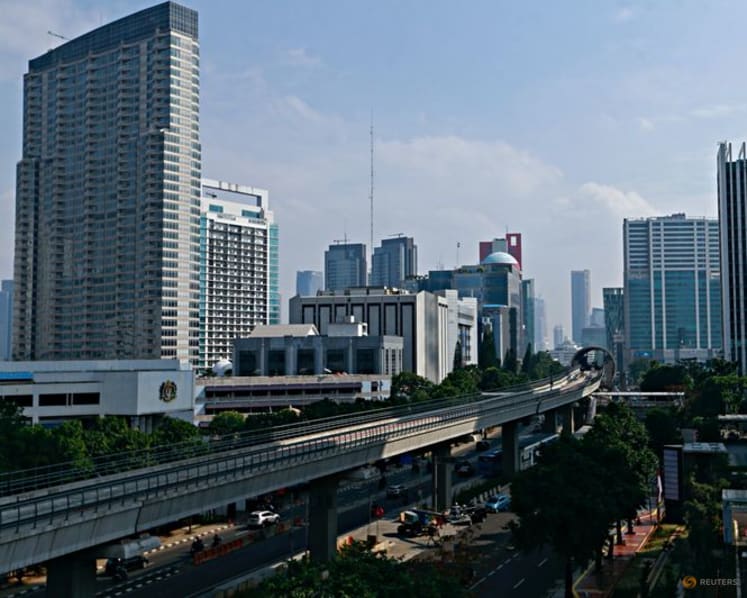
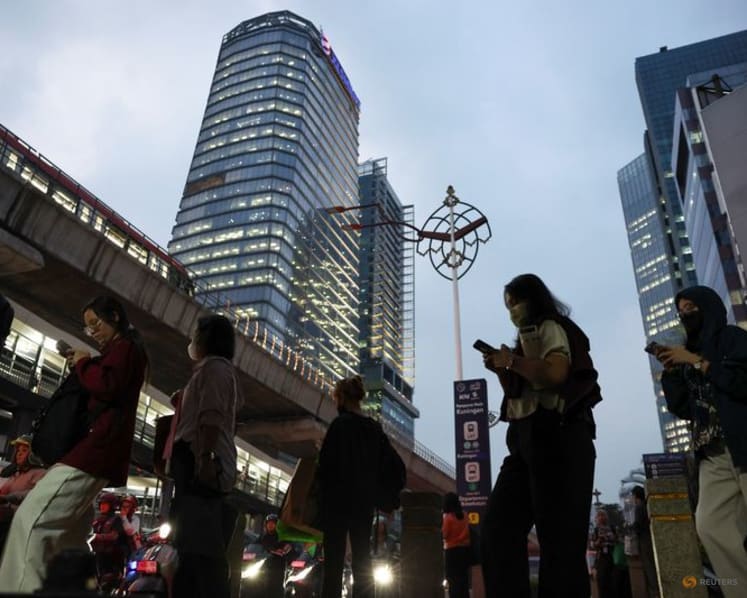
The central bank surprised markets last week by keeping policy rates unchanged, instead offering new incentives to attract foreign capital inflows aimed at supporting the rupiah. It had raised rates by a total of 100 basis points since May in a bid to attract foreign inflows to shore up the rupiah.
"The development is expected to become a key focus for financial markets, as investors await the government's decision on his successor and assess the implications for the continuity of the central bank's monetary policy, institutional credibility, and overall policy direction," brokerage Mirae Asset Sekuritas said in a note.
Last year, the abrupt removal of Indonesia's influential finance minister Sri Mulyani Indrawati rattled markets, with investors fearing the country's fiscal credibility could be eroded by the populist and costly spending plans under Prabowo.





