Malaysia budget 2027: Five things you need to know
Despite tabling a higher budget, the government expects Malaysia’s fiscal deficit to decline to 3.3 per cent in 2027, progressing toward the target of 3 per cent by 2028.
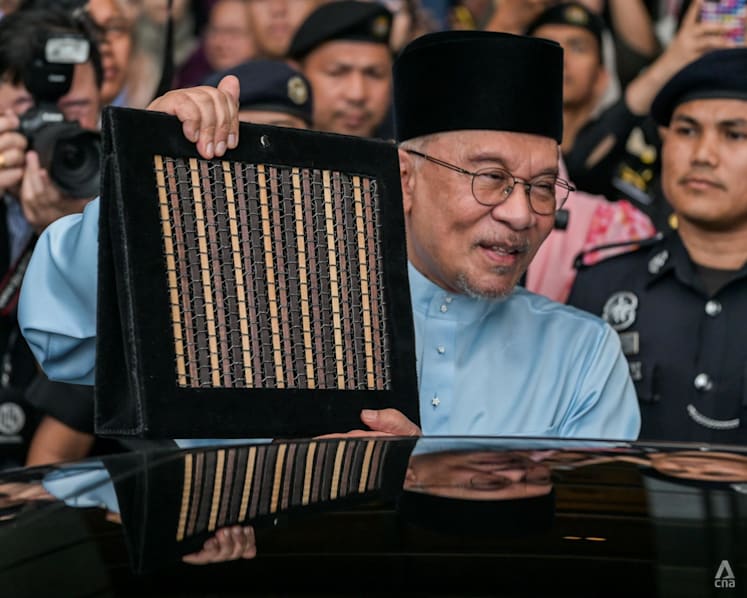
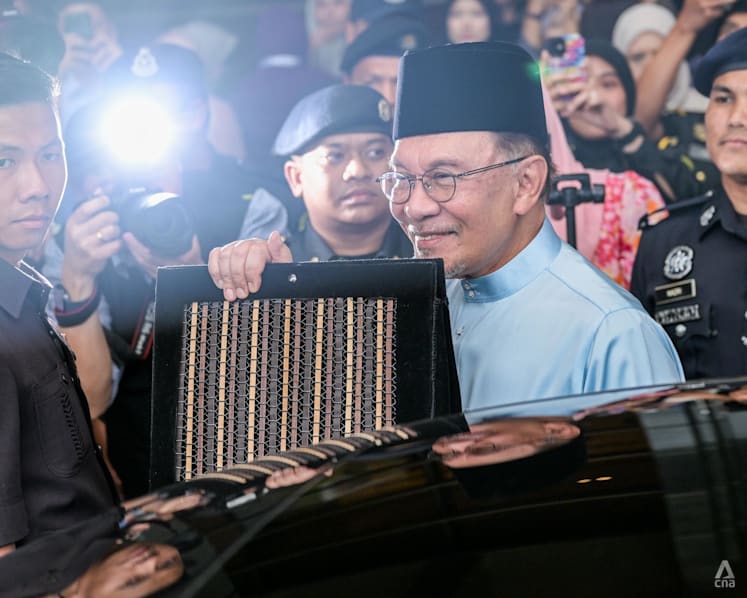
Malaysia Prime Minister Anwar Ibrahim, who is also the finance minister, showing the 2027 budget booklet at the Ministry of Finance in Putrajaya on Oct 9, 2026. (Photo: CNA/Fadza Ishak)

This audio is generated by an AI tool.




KUALA LUMPUR: Higher minimum wages, more support for gig workers and farmers as well as tax relief for middle-income earners are among the key measures unveiled in Malaysia’s 2027 budget on Friday (Oct 9).
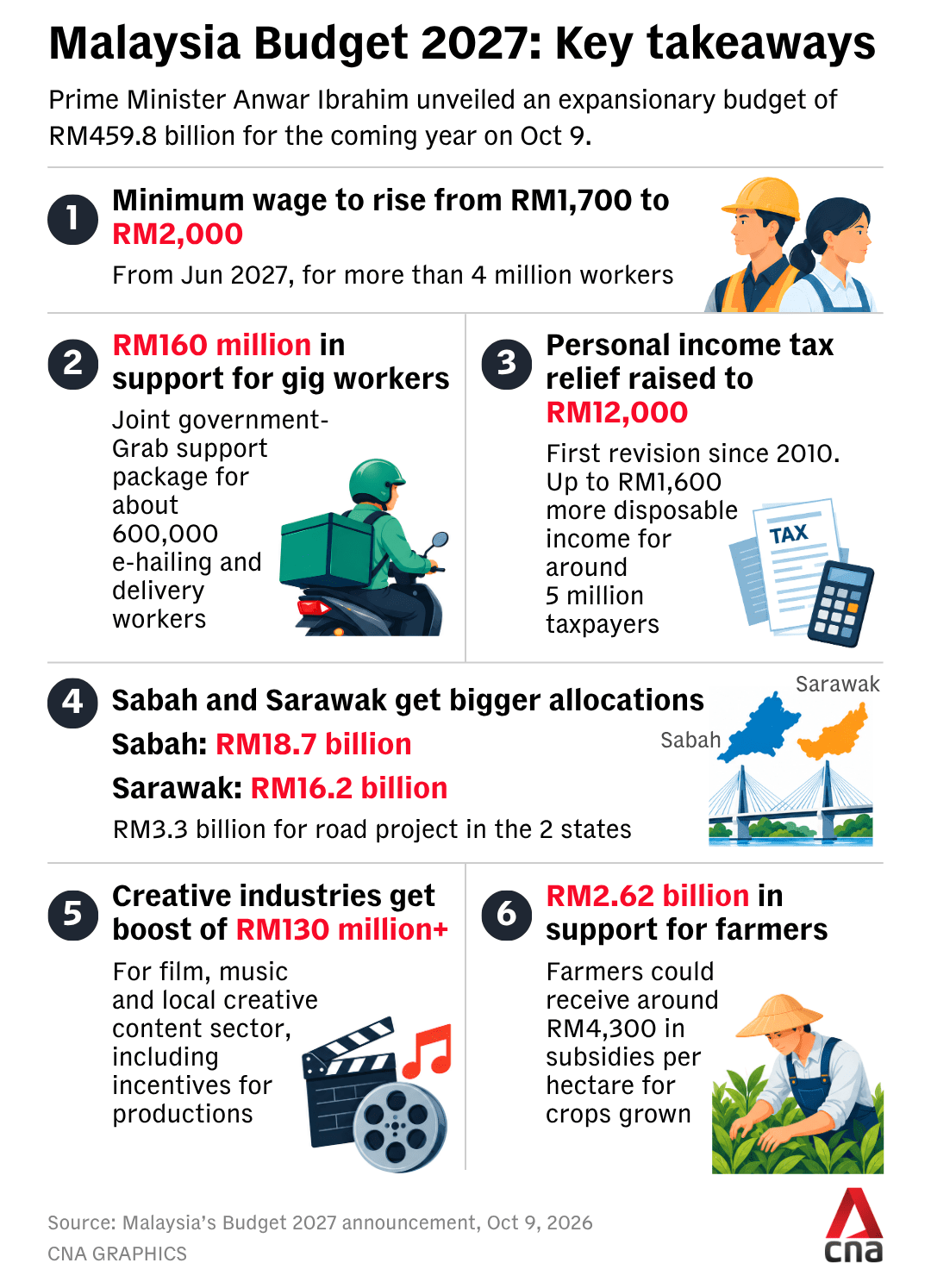
Malaysians could have up to RM1,600 (US$390) in extra disposable income through higher tax relief and lower tax rates, Prime Minister Anwar Ibrahim said as he unveiled an expansionary budget of RM459.8 billion for the coming year.
“The measure of a budget lies not in the thickness of its documents ... Its true measure is far more fundamental, whether more people can live with dignity, and whether the Malaysia we leave to future generations will be fairer than the Malaysia we inherited,” said Anwar, who is also the finance minister.
The fifth budget tabled under Anwar’s administration could also be its last before Malaysia’s next general election, which must be held by February 2028.
CNA looks at five takeaways from Malaysia’s 2027 budget.





LOWERING THE FISCAL DEFICIT
Despite tabling a higher budget, the government expects Malaysia’s fiscal deficit to decline to 3.3 per cent in 2027, progressing toward the target of 3 per cent by 2028, down from a revised deficit target of 3.6 per cent this year.
Its original target this year was 3.5 per cent, but the crisis in West Asia increased fuel subsidies to RM40 billion, Anwar said.
“This step does not mean we are deviating from fiscal consolidation efforts. On the contrary, it proves the true value of rebuilding fiscal space and granting the Government the capacity to act when circumstances demand it,” he said in the foreword to the fiscal outlook report.
In his budget speech that began at 3.30pm and lasted for roughly two hours, Anwar stressed that The Public Finance and Fiscal Responsibility Act and the Government Procurement Act were enacted to place the finance minister’s powers under scrutiny.
The Government Procurement Act will come into force next year, he added.
“The government will enhance transparency by publicly disclosing project information, including the contractors involved and contract values,” he said.
Anwar added that the reduction in the deficit and the controlled level of new borrowings have enabled the federal government debt as a percentage of gross domestic product (GDP) to decline consistently, from 65.2 per cent in 2025 to 64.0 per cent in 2026, and is projected to decline further to 63.7 per cent in 2027.
HIGHER WAGES, MORE SUPPORT FOR WORKERS, FARMERS
More than four million workers are set to benefit from a higher monthly minimum wage from June 2027 when it is raised to RM2,000 - up from the RM1,700 currently.
“Narrowing the gap between productivity and workers’ wages must remain a priority,” said Anwar.
“The pressure on the cost of living becomes an increasingly heavy burden when income growth fails to keep pace with increases in the prices of goods.”
Micro, small and medium enterprises earning less than RM50 million a year would be exempted from the measure for now to allow for business adjustments to be made.
The government will also implement reforms to the employee income framework by introducing a minimum monthly starting salary of RM2,500 for semi-skilled workers and graduates.
“The government also welcomes the commitment by government-linked investment companies and government-linked companies to raise the living wage benchmark to RM3,400 per month, up from RM3,100,” said Anwar, adding that the move could benefit 230,000 workers.
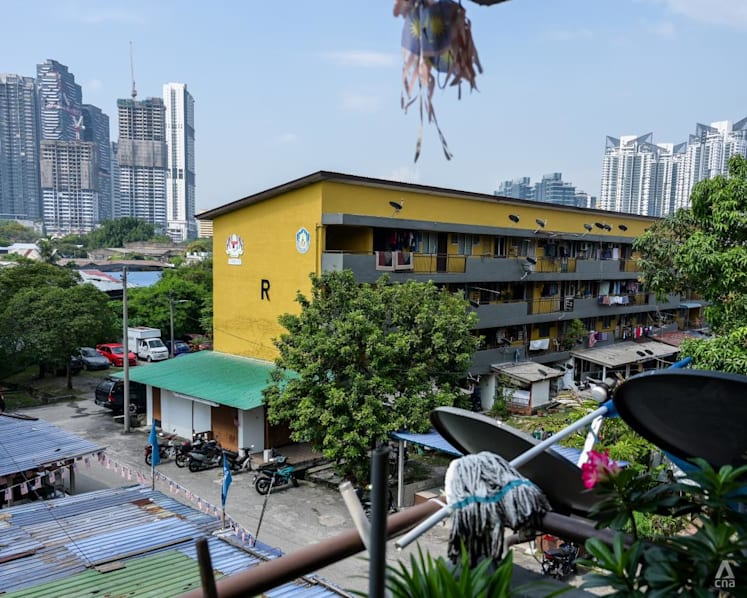
Gig workers will also receive more support under the 2027 budget.
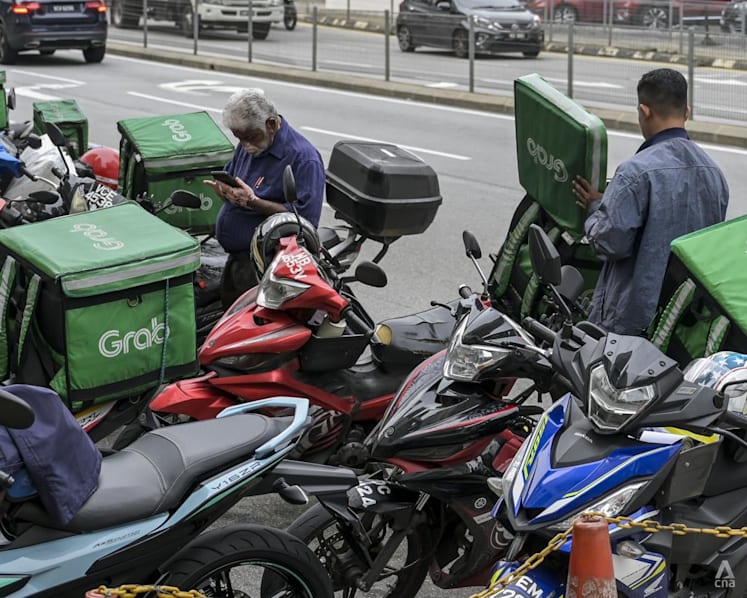
The government plans to jointly fund a RM160 million package with ride-hailing giant Grab to boost net income and improve the welfare of e-hailing and p-hailing workers, starting next year, benefitting some 600,000 Malaysians.
The jointly-funded package will cover an increase in the minimum income rate for e-hailing and p-hailing workers as well as assistance for vehicle maintenance costs and insurance, among others.
Meanwhile, about 38,000 taxi drivers and 15,000 bus drivers nationwide will each receive a one-off aid payment of RM1,000.
The government will also allocate RM2.62 billion in various aid measures for farmers, who stand to receive around RM4,300 in various subsidies per hectare of crop grown.
PERSONAL INCOME TAX CUTS TO EASE COST-OF-LIVING PRESSURES
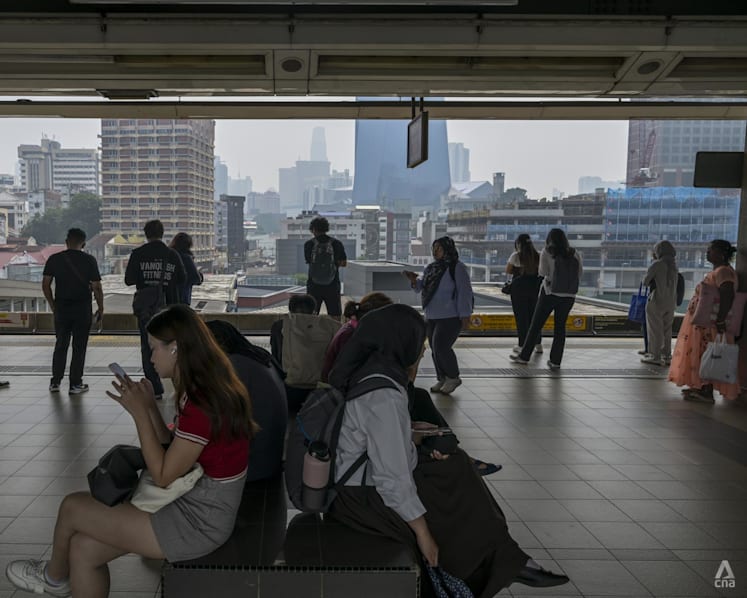
Middle-income earners will also get some relief from cost-of-living pressures through lower personal income tax rates and a higher individual tax relief threshold.
The government will increase individual income tax relief from RM9,000 to RM12,000, the first revision since 2010.
Under the revised tax rates, the rate for individuals with taxable income between RM70,000 and RM100,000 will be reduced to 18 per cent while those in the RM100,000 to RM150,000 bracket will see their rate lowered to 24 per cent.
The prime minister also announced expanded tax reliefs covering a wider range of expenses.
For example, medical tax relief will be expanded to include postpartum care services while relief for the care of parents and grandparents will cover all caregiving expenses rather than being limited to healthcare costs.
“This means that the increase in tax relief and reduction in individual tax rate will give additional disposable income of up to RM1,600 to around five million taxpayers,” said Anwar.
ALLOCATIONS FOR SABAH, SARAWAK
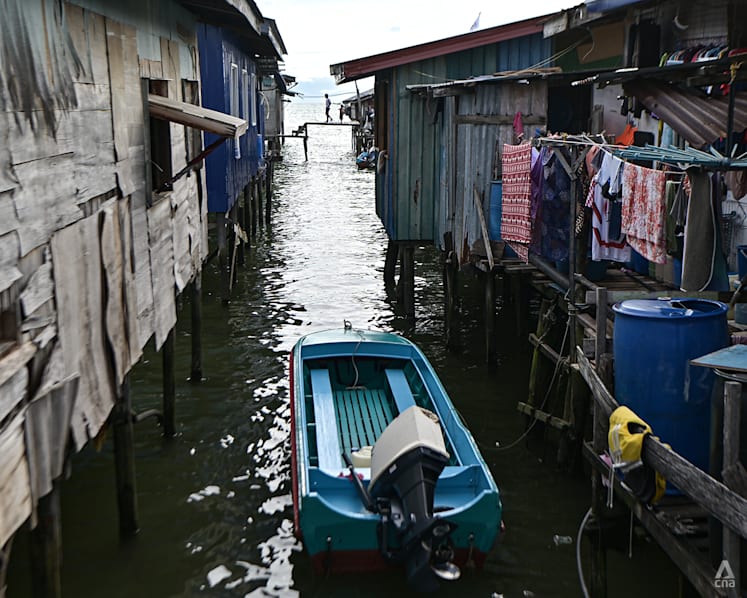
Sabah and Sarawak will remain the largest recipients of federal allocations in next year’s budget, as the government continues negotiations over outstanding issues under the Malaysia Agreement 1963 (MA63).
Sabah will receive RM18.7 billion and Sarawak RM16.2 billion to support infrastructure development, electricity supply and education, up from RM17.6 billion and RM15.1 billion respectively this year.
Anwar said that MA63 should be treated as a national responsibility to ensure the rights of Sabah and Sarawak were upheld.
He added that the federal government will also increase the number of Public Service Department scholarships for students from the two East Malaysian states.
“This means 4,200 children from Sabah and Sarawak will have the opportunity to pursue higher education next year,” he said.
A total of RM3.3 billion would also be allocated in 2027 for road projects in the two Borneo states.
BOOST FOR CREATIVE INDUSTRIES AND AI
Malaysia’s creative sector will receive a boost, with tickets for local films and theatre performances in the Federal Territories to be fully exempt from entertainment duty starting next year,
The government will also allocate more than RM130 million to support the local film, music and creative content sectors, aimed at “elevating the nation’s image, creating employment opportunities and bringing Malaysian stories to the global stage”.
This includes incentives for local and international film and animation productions that shoot in Malaysia, as well as additional incentives for works that showcase Malaysian culture and national identity.
The government is also stepping up its push to expand the use and development of artificial intelligence (AI).
It will provide an additional 100,000 free AI subscriptions, including ChatGPT, following what Anwar described as an encouraging response to an existing free AI subscription programme for young people.
The prime minister said the government would develop a sovereign AI cloud to keep Malaysians' data and the country's strategic information under national control.
He added that the government would continue to emphasise the importance of young people mastering future-oriented fields, including coding, data science and quantum technology.
Meanwhile, AI Malaysia Bhd, a national agency under the country's digital ministry, will receive nearly RM15 million to strengthen the safe and ethical AI ecosystem, supporting the target of developing 200,000 skilled AI workers.