Nepal toll surges as rescuers struggle through 'unimaginable' disaster
In Nepal, the disaster agency raised the total number of people missing on its side of the border to 4,247, with 903 bodies recovered.
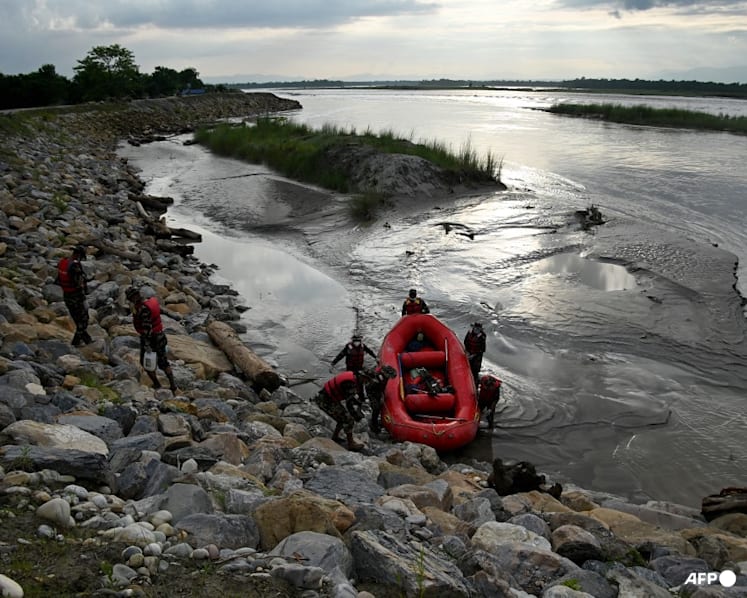
Army personnel return from a search and rescue operation for flood victims along the Narayani river at Bharatpur in Nepal's Chitwan district on Aug 30, 2026. (Photo: AFP/Prakash Mathema)
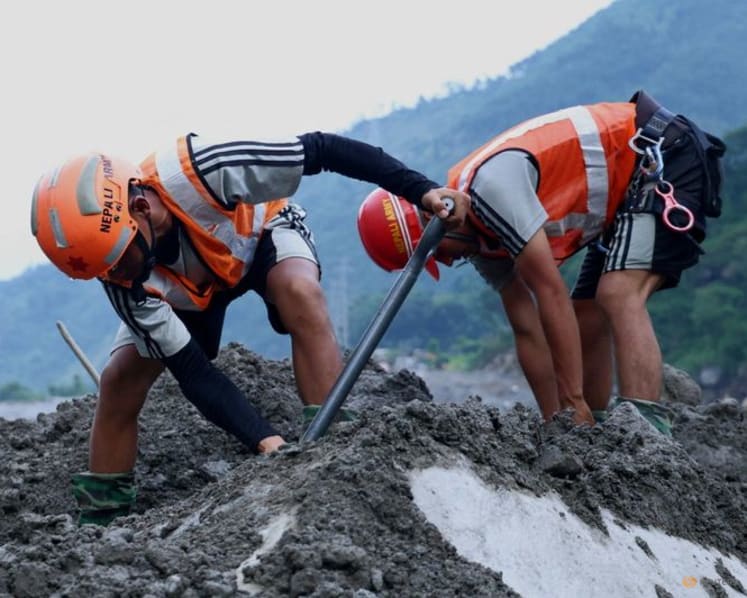
NUWAKOT, Nepal: Rescuers struggled on Monday (Aug 31) through mud and debris for a sixth day, as the number of missing people soared since tsunami-like glacial floods roared down from the China-Nepal border, creating an "unimaginable" disaster.
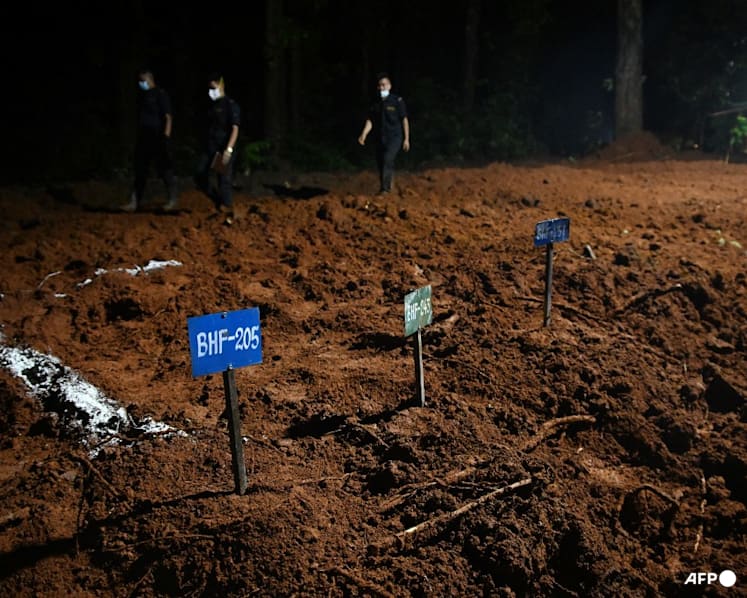
The latest confirmed death toll surged above 900, but the number of those unaccounted for is also climbing - with unidentified bodies buried in mass graves after DNA sampling.
Nepal's rescue teams, helped by Chinese and Indian experts, stepped up efforts to reach hundreds of people believed to be stuck inside blocked hydropower project tunnels in the aftermath of last week's Himalayan flood
Nepali officials said that the focus was on reaching the 933 workers believed to be trapped at 11 hydropower projects, including many who were working in about half a dozen tunnels, in the two hard-hit districts of Rasuwa and Nuwakot.
Pictures and videos shared by rescue teams showed earth-moving equipment digging and shovelling mud and rocks under lights in the dark of the night as workers watched. Soldiers used torchlight in a big pit they had created to look for space to get into one tunnel.
The Nepali army said search-and-rescue teams were using controlled blasts, excavators and searchlights to clear water and mud and reach trapped people. Teams recovered three bodies after entering two tunnels, while other sections remained buried in mud and were still being searched, it said.
There has been a boom in hydropower projects in Nepal since the turn of the century as the mountainous country sought to take advantage of its Himalayan water resources to address chronic domestic power shortages and exploit prospects for selling electricity to southern neighbour India.
"CHANGING CLIMATE"
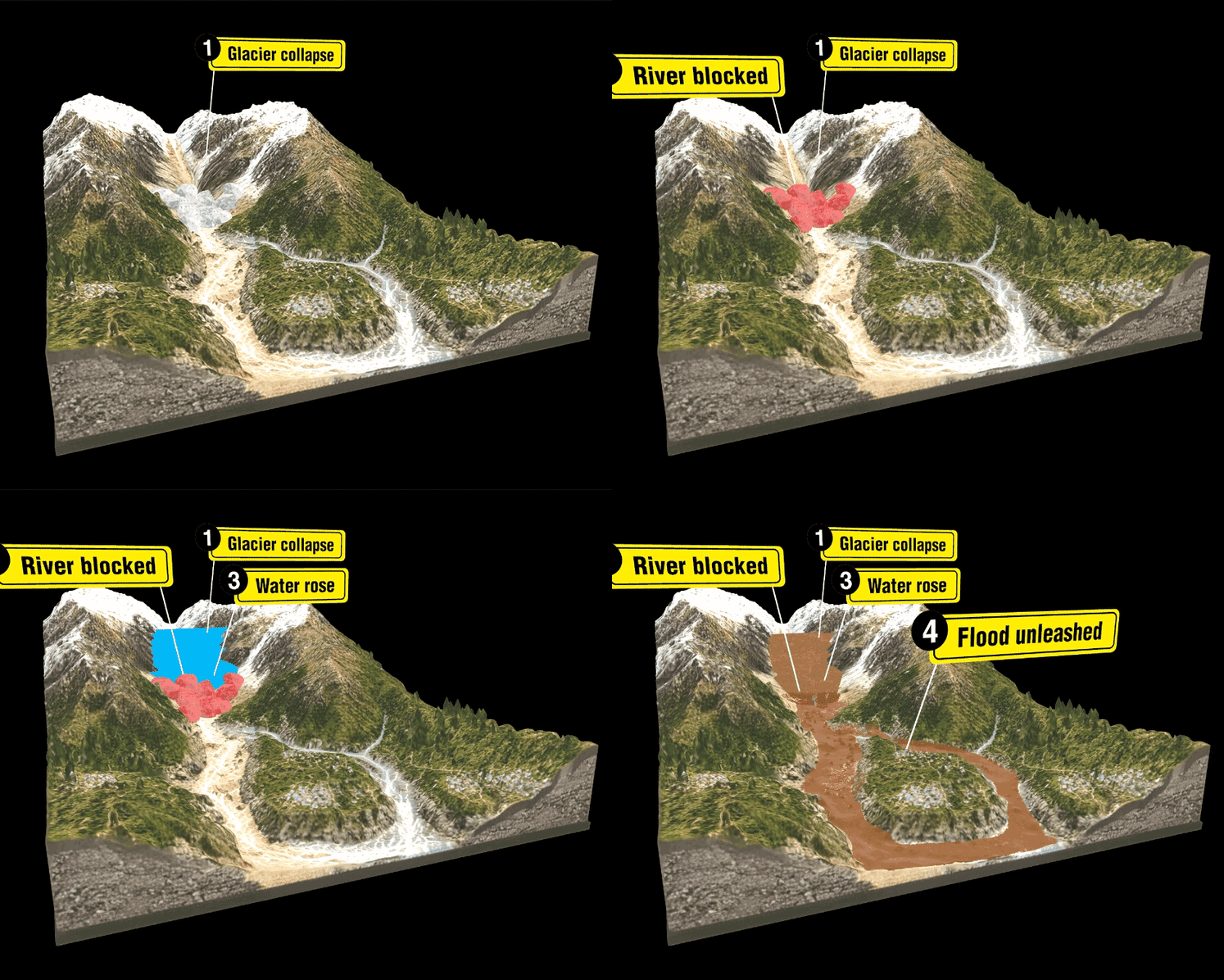
The disaster was sparked by a glacial collapse, the US Geological Survey said. While the exact cause of that collapse is unclear, climate change is causing glaciers to melt worldwide, raising the risk of such disasters.
Nepali Foreign Minister Shisir Khanal said: "The people of Nepal are one of the major victims of the changing climate and its impact."
Scientists say the Himalayas, the world's highest mountain range, are melting faster as global temperatures rise.
Aid needs are enormous. Entire communities have been swept away, leaving families homeless in heavy rain or sheltering in temporary facilities.
"This is an unfolding disaster," UN children's fund official Abiodun Banire told AFP, saying the needs of the tens of thousands impacted were vast.
Roads have been washed away, power plants destroyed and dozens of bridges smashed.
"We are continuing to work for search, rescue and relief operations," Karki told AFP on Monday, as communications slowly improved. Police initially had to use drones to carry messages into cut-off areas.
"Rescue teams have now reached most areas, by road or by helicopters," he added.
"NO RESPONSE"
With mortuaries overflowing with the dead, Nepal has begun burying some of the hundreds of bodies recovered after taking DNA samples so families can later retrieve them.
Kathmandu has appealed for international support, saying Nepal needs "more than a thousand" freezer units to store bodies.
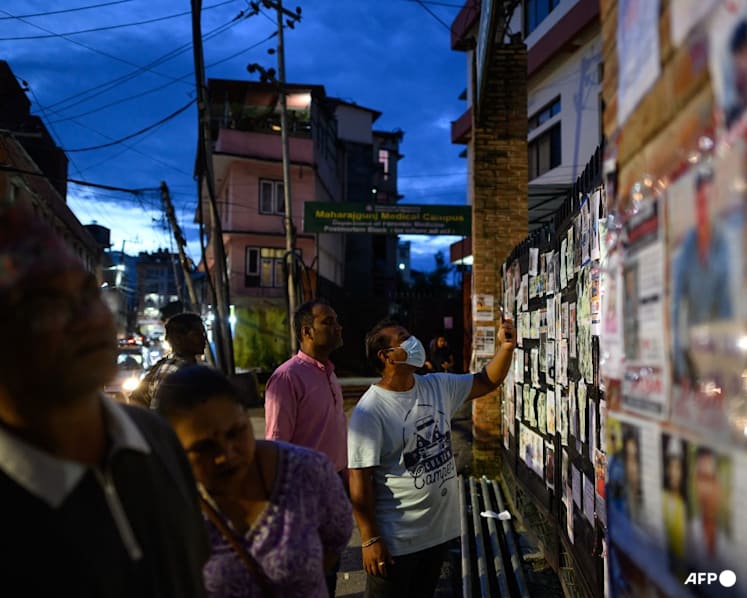
Distraught families, desperate for news of missing relatives, are watching images of bodies on screens at community centres in a bid to identify the dead.
Shobha Adhikary, in the southern Nepali city of Bharatpur, told a local coordinator she believed one image showed her childhood best friend.
"It looks like him, for sure," she said, showing a photograph of a smiling, middle-aged man.
"My husband and I are best friends with Rajkumar and his wife Geeta," she said. Geeta has also been missing since Wednesday.
Among Nepal's list of the missing are 592 foreigners, including tourists who had come for trekking in its apparently serene mountains, and Hindu pilgrims seeking spiritual peace at Tibet's sacred Mount Kailash.
"BILLIONS OF DOLLARS"
In China, Tibet is largely inaccessible to foreign journalists, and Chinese authorities are the only source of information.
More than 2,000 personnel are part of rescue operations there, but they have faced intense challenges.
Rescuers trying to reach the epicentre of the disaster, Gyirong Port, only advanced 285m on Sunday, according to state media.
The glacial collapse caused the formation of huge lakes dammed by unstable debris, posing a further threat to rescue teams.
China has said 16 people died in Tibet, with 546 people missing.
In Nepal, the disaster agency raised the total number of people missing on its side of the border to 4,247, with 903 bodies recovered.
Nepal's economy is already under pressure, and foreign governments have pledged millions of dollars in humanitarian aid.
Kathmandu warns that the reconstruction bill could run into "billions of dollars".