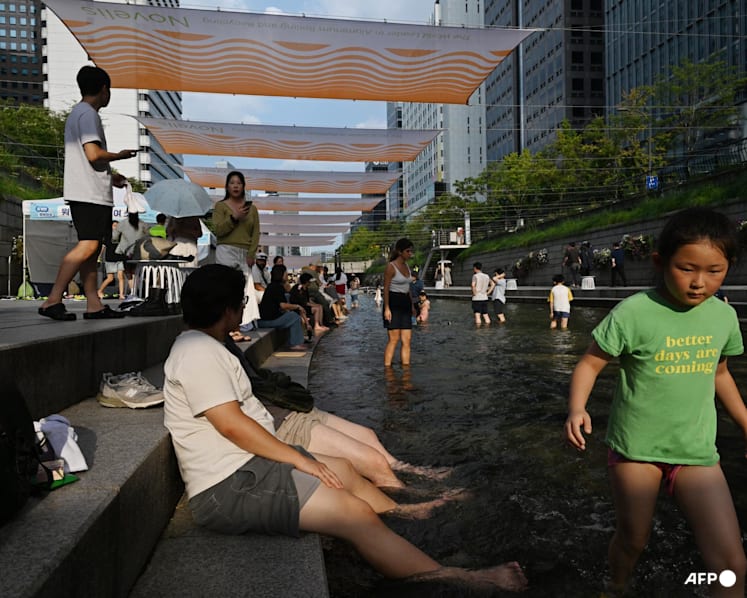
‘Never encountered this before’: What an extreme El Nino means for Southeast Asia
A "super" El Nino could bring drought, extreme heat and agricultural disruption across Southeast Asia. Governments are preparing, but experts warn significant vulnerabilities remain.
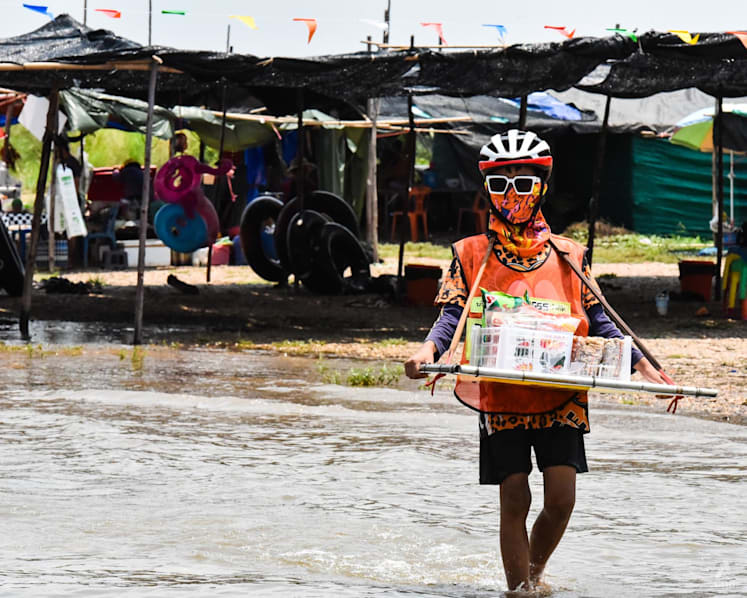
Southeast Asia is bracing for an extended period of hot, dry weather in 2026-27. (Photo: CNA/Jack Board)

This audio is generated by an AI tool.


BANGKOK: Surachai Parunram knows something big and foreboding is coming. The veteran rice and sugarcane farmer from Thailand’s northeast has experienced unpredictable weather and extreme events disrupting his planting seasons for many years.
What lies in store over the next year - a so-called “Super El Nino” bringing expected severe heat and drought right across Southeast Asia - has him more worried than ever.
“The climate is completely unpredictable now. It’s hot one moment and raining the next,” the 55-year-old said.
He has been preparing and adapting for a tough spell of conditions for more than a year, changing his crops and introducing more drought-resistant livestock like boars to his small operations in Nakhon Ratchasima.





“I have concerns. We don't know what to produce because every farmer has debt, and we don't know where our income will come from when there's no water for farming,” Surachai said.
Southeast Asia is on alert for what experts say is potentially one of the most heightened versions of the El Nino phenomenon ever recorded.
El Nino, characterised by sea surface warming in the central and eastern tropical Pacific Ocean, typically acts as a multiplier, pushing temperatures higher and extending the duration of heatwaves, heaping pressure on urban populations, agriculture and water supplies.
“We have never encountered a situation like this before. While Super El Nino events have occurred in the past, those happened before the world reached current temperatures,” said Seree Supratid, director at the Climate Change and Disaster Center at Rangsit University.
“This event is unfolding on a planet that has already warmed by approximately 1.4-1.5°C, meaning the impacts will undoubtedly be far more severe,” he said.
Labelling the system “super” is not an official scientific classification, rather a reflection of severity, “an extreme instance where ocean temperatures surge way above normal”, said Ming Yi, a physical climate scientist at the National University of Singapore.
The latest event has already developed in the Pacific, according to the World Meteorological Organization (WMO).
Its modelling indicates the event will strengthen rapidly, with sea-surface temperatures in a key region of the equatorial Pacific forecast to average around 2°C above normal during July to September. El Nino typically reaches its peak between November and February.
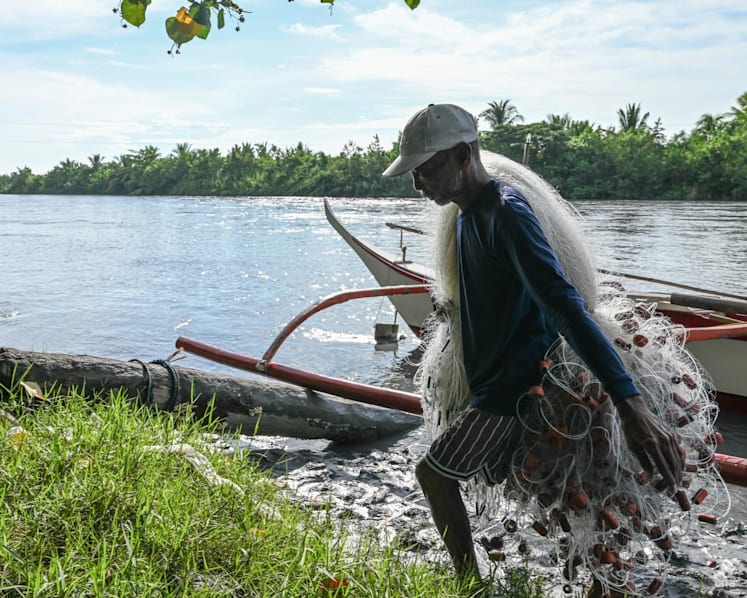
Current model simulations indicate that the Southeast Asian region is on track for a period potentially surpassing even the record-setting 1997-1998 event, Ming said.
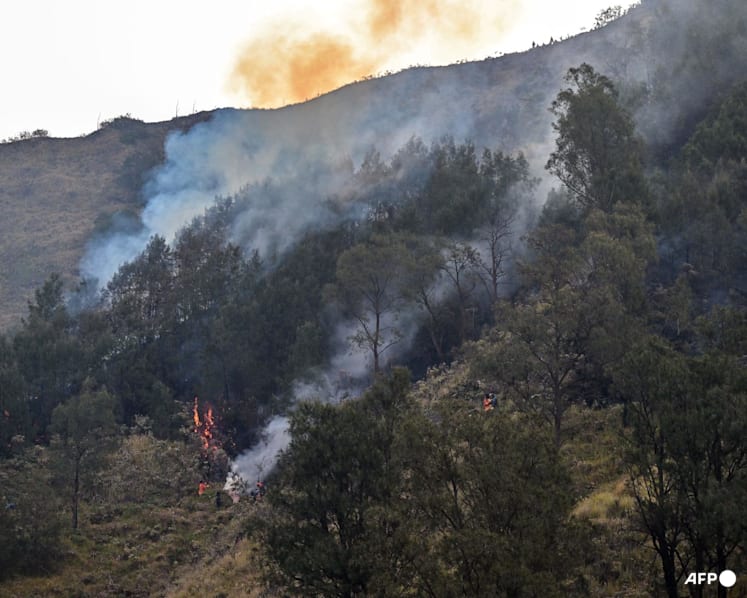
During that time, severe drought swept the region, notably leading to massive forest and peatland fires in Indonesia that blanketed neighbouring countries in choking haze, which caused billions of dollars in economic losses.


This time, Thailand is particularly exposed through agriculture, reservoirs, extreme heat and power demand. The risks also cascade across the Mekong and wider region to Cambodia, Laos, Vietnam and Myanmar through food production, fisheries, hydropower, fires and livelihood impacts.
“Our last major drought impact occurred in 2019-2020. With this being a Super El Nino, I expect the severity to increase - not just double - but potentially exponentially, though nobody can predict the exact figure,” said Areeya Obidiegwu, an assistant professor in the Department of Agricultural and Resource Economics at Kasetsart University.
Rainfall in Thailand will be severely impacted next year, Seree said. And after the Super El Nino reaches its peak, the strongest impacts will follow in the next four to six months.
“When Thailand’s summer arrives, temperatures will inevitably surge,” he said. “After mid-next year, heavy rainfall will return, potentially severe enough to trigger 100- to 200-year flood events,” he said, based on his modelling predicting a return to wetter conditions.
Even though the rainy season is set to be delayed, when rain does fall, it could come in the form of damaging storm-driven “rain bombs”, more erratic and concentrated short, very intense downpours, warned Sonthi Kochawat, an environmental and health expert at the Thai Environmental Scholars Association.
Climate warming can amplify El Nino-associated impacts because a warmer ocean and atmosphere increase the moisture and energy available for extremes including heavy rainfall.
Indonesia and Malaysia face heightened risks to agriculture and from fires and haze, while reduced rainfall could strain farms, water supplies and hydropower in the Philippines. Singapore is less exposed to agricultural drought but remains vulnerable to extreme heat, transboundary haze and higher food import costs.
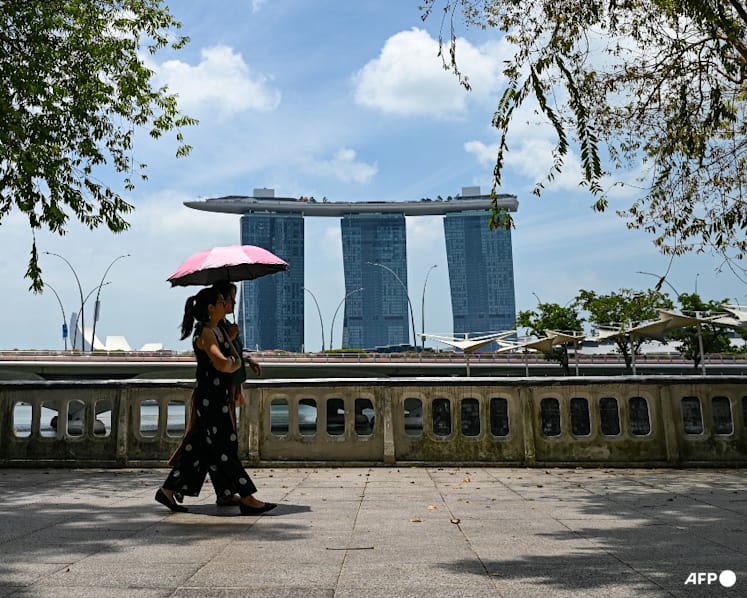
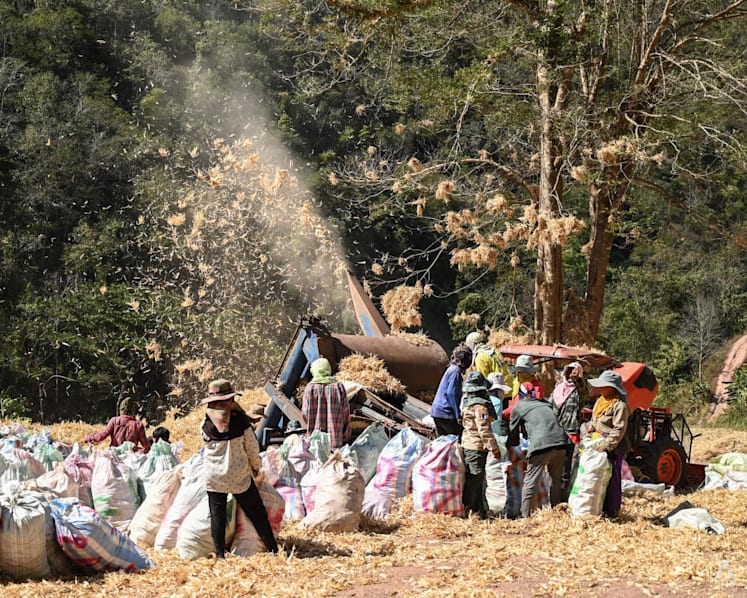
Across those economies, the effects could quickly move from fields and reservoirs into household budgets. El Nino threatens production of major regional commodities including rice and palm oil, potentially driving up food prices at a time when consumers are already confronting wider economic pressures.
The incoming climate conditions will further worsen the economic pain inflicted by the ongoing energy crisis in Southeast Asia, Ming said.
El Nino can simultaneously hit major commodities such as rice and palm oil, meaning countries can face both domestic production losses and higher regional import prices. During the strong 2015-2016 El Nino, Southeast Asian rice production fell substantially.
It could also add nearly two percentage points to consumer-price inflation in both Indonesia and the Philippines, according to Bloomberg Economics research based on previous events, largely as reduced harvests drive up food prices.
Across the region, rising ocean temperatures will likely cause widespread coral bleaching, hurting both the marine environment and associated tourism sector, experts said, mirroring past extreme events.
STRATEGIES FOR SURVIVAL
Given El Nino can be forecast well in advance, governments throughout the region have been preparing for what is in store.
They can play a pivotal role in mitigating the influence of a Super El Nino event, Ming said, through measures like instituting more effective water resource management, incentivising the adoption of drought-resistant crops and subsidising crop insurance.
The Indonesian government said it has distributed around 100,000 water pumps, rehabilitated roughly 900,000 hectares of irrigation networks and deployed drought-resistant seeds.
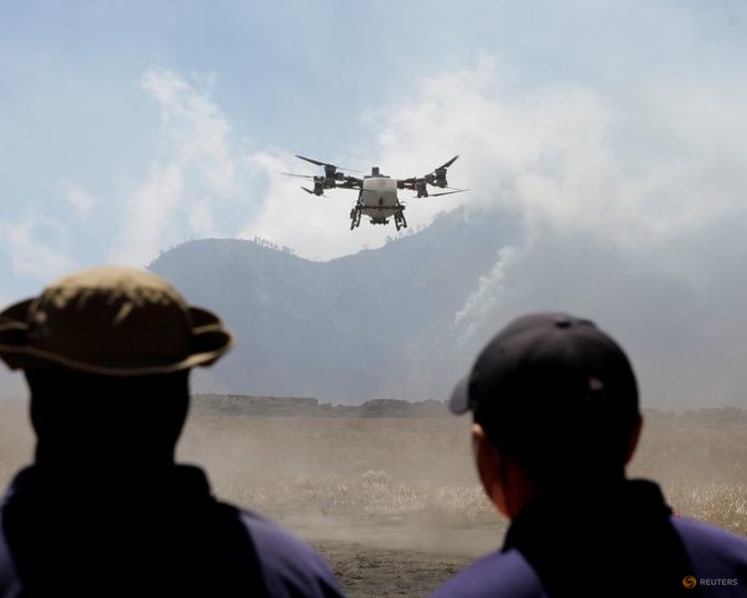
It announced on Monday it has mobilised a multi-agency task force to control forest and land fires that have spread across about 107,000 hectares, to prevent the haze from impacting neighbouring countries.
In the Philippines, irrigation infrastructure is being expanded and the country’s Congress has also pushed agencies towards a unified national preparedness framework covering farmers, fisheries, food security and water before drought worsens.
Thailand’s Cabinet has ordered agencies to prepare specifically for a severe event, focusing on water for households, agriculture and industry, agricultural planning and emergency reserves.
But experts and farmers like Surachai have questioned whether preparedness on the ground is sufficient. As the manager of a community enterprise group, he said he is highly aware that the farming community around him in Thailand’s agricultural heartland is not braced.
“Sometimes I have to sit down and talk clearly with them, telling them to believe that a drought is coming. Farmers rarely believe it because government information isn't clear. Inconsistent information makes farmers lose trust in everyone. So they gamble (on planting crops),” he said.
“Farmers don't lack knowledge; they have inherent wisdom. They just need a spark on how to use their resources to sustain their families, and the government needs to facilitate that vision,” he added.
Sonthi said the government should urgently urge farmers to adapt by suspending off-season rice farming in favour of low-water crops like soybeans or mung beans, while encouraging the excavation of farm ponds.
Active adaptation support has not been prioritised enough politically in Thailand, Areeya said, with climate policies often focusing on greenhouse gas mitigation and research that struggles to deliver on-the-ground impacts.
“We invest heavily in research and develop numerous agricultural apps, but we lack consolidated execution,” she said.
Seree said it was “concerning” that the Thai government still lacked clear measures and preparedness to support farmers on the ground.
“If farmers continue rice cultivation under severe drought conditions, they face extreme risks of heavy losses. Yet, if they abstain, yields will be insufficient for domestic consumption and export,” he said.
Yet Thailand is not preparing for the looming climate stress in isolation. Across the Mekong basin, the systems for anticipating and coordinating responses to drought have strengthened considerably since the severe El Nino-linked droughts of the past decade, according to the Mekong River Commission (MRC), an intergovernmental body for cooperation in the Lower Mekong basin.
A spokesperson highlighted to CNA improved monitoring, data sharing and coordination over water resources among the MRC member states: Thailand, Laos, Cambodia and Vietnam.
While those mechanisms cannot prevent an extreme El Nino from bringing drought, they could give governments more warning and greater ability to manage increasingly scarce water across borders, MRC said.
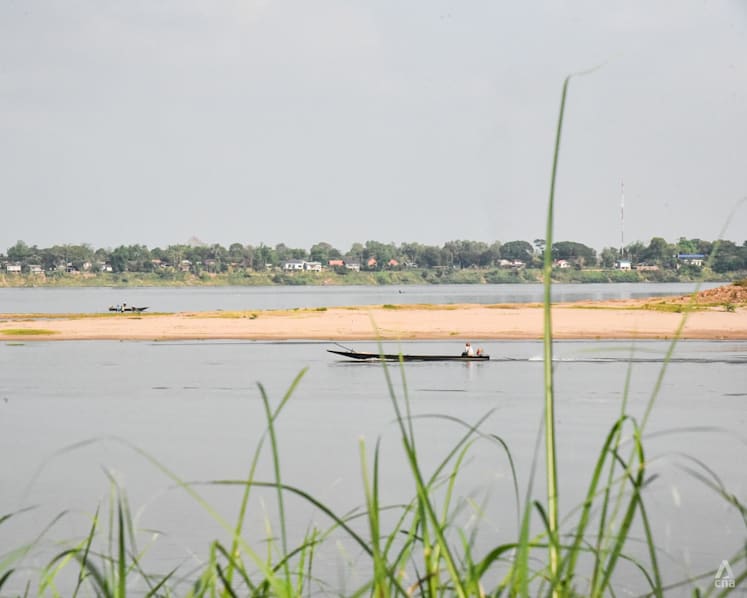
The MRC now draws on near-real-time information from about 80 monitoring stations, year-round data from China's Jinghong station and operational data from 13 major hydropower dams. The next phase of that cooperation aims to move beyond simply sharing dam data towards coordinating their operations.
On a national level, Vietnamese authorities are planning for scenarios of drought, water shortages and Mekong Delta saltwater intrusion. Freshwater storage is being prioritised in vulnerable southern areas, alongside monitoring and plans to manage water supplies as the dry season develops.
Cambodian officials have been pumping water from rivers and canals towards already affected rice fields in Pursat province in the country’s west, using available irrigation infrastructure to protect crops.
BEARING THE COST
What makes this event particularly dangerous is that it is colliding with other existing vulnerabilities such as poverty and inequality, according to CARE (Cooperative for Assistance and Relief Everywhere), a global humanitarian organisation.
It will exacerbate existing pain points including high food prices, economic pressures, displacement, fragile supply chains and shrinking humanitarian funding, the organisation told CNA.
This anticipated major El Nino is “particularly worrying” because it is arriving when food insecurity is already high and humanitarian resources are under severe strain,” said Ram Das, country director for CARE Bangladesh.
It means many families have very little capacity left to cope, he said.
For millions of women and girls, El Nino threatens to deepen an existing food crisis. CARE estimates that 172.3 million are already at risk of food insecurity in countries expected to be hardest hit, even before prolonged drought and extreme heat place additional pressure on crops, incomes and food supplies.
“What we are already seeing on the ground is that women and girls are often the first to absorb the impact of climate-related food insecurity. Women are often left managing the consequences, finding ways to stretch household resources while protecting their families' food security,” said Reiza Dejito, country director of CARE Philippines.
Globally, the United Nations’ World Food Programme said in a statement on Aug 5 that El Nino conditions could push up to an additional 49 million people into acute hunger by the end of next year.
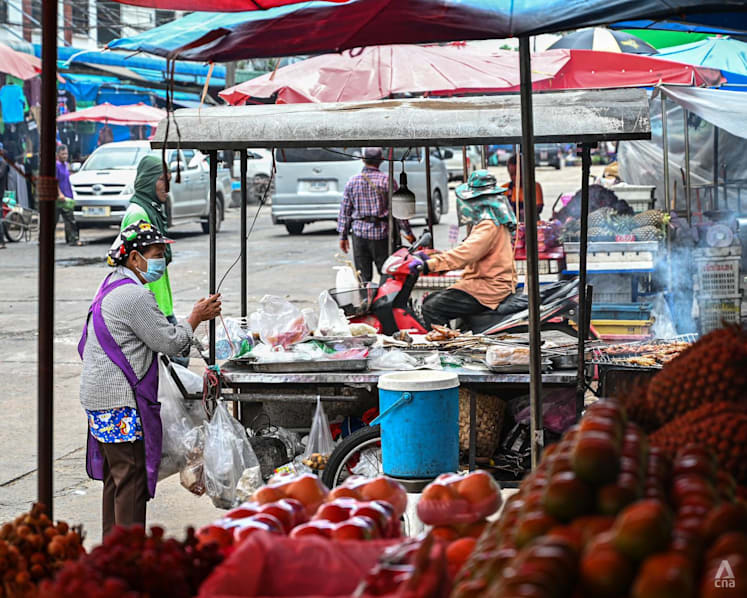
As extreme heat intensifies, governments will also face the challenge of protecting millions of people who work and live in increasingly heat-stressed cities.
El Nino is only one force adding to the heat. In cities, years of rapid development have stripped away vegetation and covered more land with buildings, roads and other heat-absorbing surfaces.
Concrete and asphalt soak up warmth during the day before releasing it after dark, limiting the relief that normally comes with nightfall. This urban heat island effect is now being layered on top of a warming climate, which is raising background temperatures and increasing the likelihood and severity of extreme heat.
In the immediate term for exposed urban populations, Seree called for mandatory safety protocols like rest periods for outdoor workers given the “dramatic” increasing risk of heat stroke over the next year.
In Singapore, workers carrying out heavy physical labour outdoors must receive at least a 10-minute rest break every hour when heat stress measurements reach a specified threshold, a regulation first introduced in 2023.
As well, Seree suggested fast tracking long-term urban planning improvements such as expanding green spaces, promoting rooftop solar installations and upgrading overall municipal drainage infrastructure.
Out on the land, Surachai is tinkering with everything he does; certain crops at certain times, setting aside land for water storage, experimenting with new technologies and working with nature instead of against it.
“We need strategies for survival where water is the main factor,” he said. “And we must learn how to turn global warming into an advantage.”
Additional reporting by Jarupat Karunyaprasit