PRESENTED BY


Tackling the breast cancer gap in Southeast Asia
Content share and bookmark
PRESENTED BY
Reducing breast cancer mortality requires strategic health investment, stronger care pathways, multisectoral partnership and coordinated regional policy action.
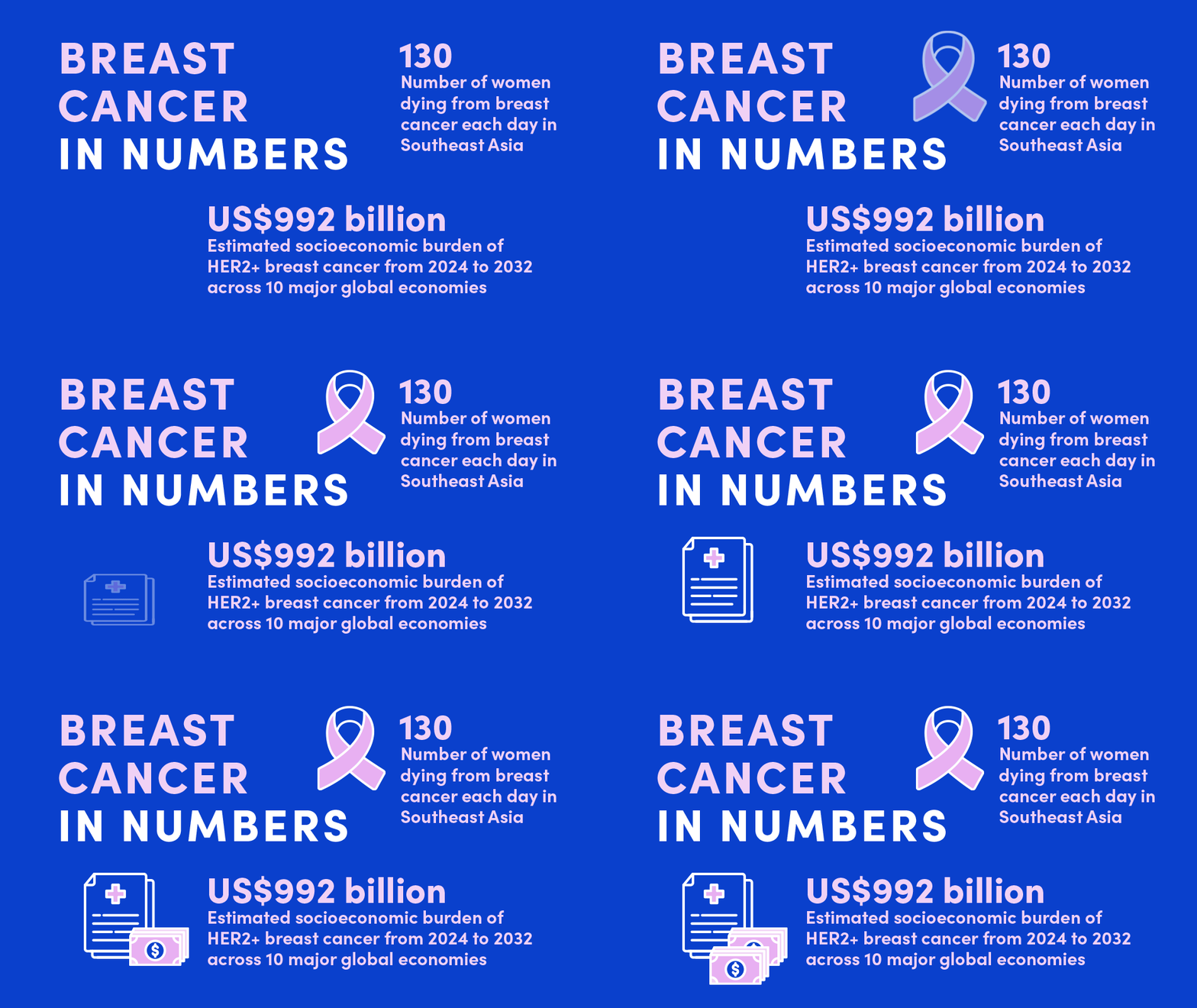
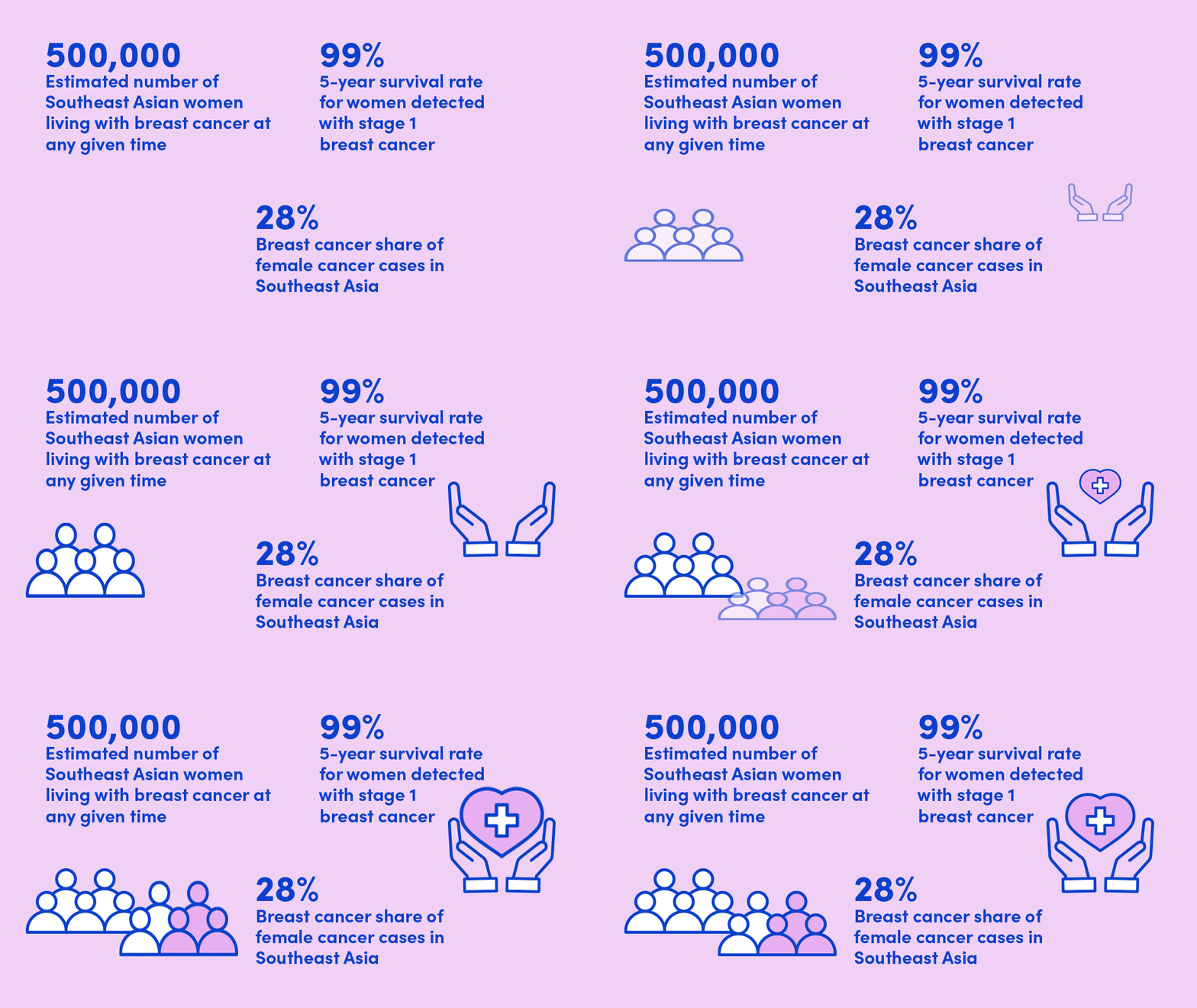
Breast cancer remains one of the most pressing health challenges in Southeast Asia, with an estimated 130 women dying from the disease each day across the region. Southeast Asia accounts for 39 per cent of all breast cancer cases globally and its mortality rates are significantly higher than in East Asia and Africa.
This trend is expected to worsen. According to a report by The Economist Impact, breast cancer incidence in Asia is projected to rise by 20.9 per cent between 2020 and 2030 – with deaths expected to increase by 27.8 per cent over the same period. These figures outweigh projected global increases, a disparity often linked to later diagnosis and uneven access to quality care.
For many families, the impact extends beyond health. Women often play central roles as caregivers and income earners, and the impact of breast cancer can disrupt households and livelihoods.
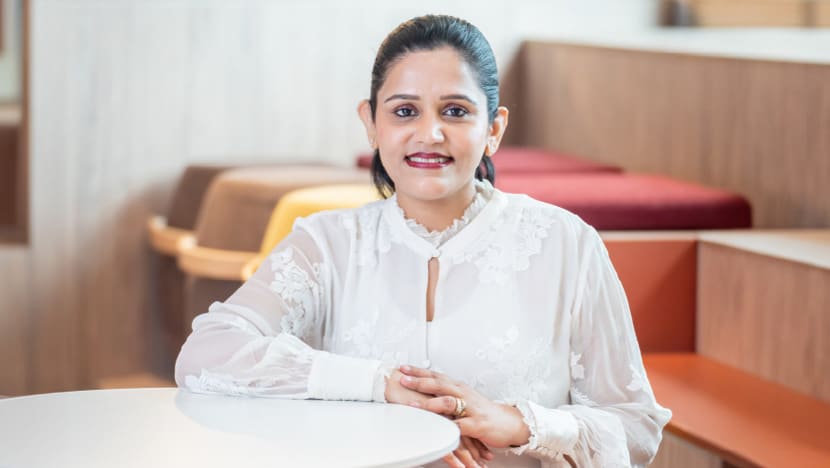
“Breast cancer has a huge health and socioeconomic burden in Southeast Asia, and it is crucial that it is prioritised regionally,” said Ms Deepti Saraf, general manager of Roche (Malaysia). “Addressing this gap in early detection and treatment is critical not only for health outcomes for the women but also for the social and economic well-being of families, communities and nation building.”
RAISING AWARENESS TO CLOSE THE CARE DELIVERY GAP
In Malaysia, late-stage breast cancer diagnoses are rising. This is driven in part by long travel times to health clinics, low screening uptake, fragmented health records and limited access to specialists, especially in rural and underserved areas.
A similar pattern is seen across lower- and middle-income countries in the region – including Indonesia, Vietnam, the Philippines and Thailand. Gaps in care delivery can add to the financial and emotional strain on families.
Against this backdrop, decentralised care models – such as community-based cancer services – are becoming increasingly important.
In August 2025, Roche launched Cancer Care Closer to Community in partnership with the Malaysian Ministry of Health. The initiative enables women to receive follow-up treatment and support at district hospitals closer to home. It includes a train-the-trainer programme for oncology nurses, alongside digital learning modules and advisory support for healthcare workers.
“This has reduced travel burdens and improved continuity of care,” explained Ms Saraf. “It complements the government’s National Cancer Control Programme by ensuring patients complete treatment closer to their communities.”
Community engagement is another key component in raising awareness and closing care gaps. Programmes like Vietnam’s We Care for Her and Joining Hands for Her promote open conversations about breast cancer through survivor advocacy, public education and peer support networks. These efforts help reduce stigma and encourage women to seek support early, Ms Saraf said.

FROM DIALOGUE TO ACTION
The Global Breast Cancer Initiative aims to reduce breast cancer mortality by 2.5 per cent per year – a target that could save 2.5 million lives over 20 years.
The Economist Impact report, which examined women’s cancers across six Asia-Pacific countries – India, Indonesia, Malaysia, Thailand, Vietnam and the Philippines – identified gaps in organised population-based screening programmes, as well as in referral and treatment pathways, sustainable funding models and performance tracking systems.
Based on these findings, Ms Saraf said sustained investment and cross-border collaboration are needed to turn commitments into practical action.
These priorities were echoed at the World Cancer Leaders’ Summit 2025, where panellists from Roche, World Health Organization and other groups highlighted the need to improve breast cancer care in Southeast Asia. This includes expanding decentralised services, enhancing patient navigation support and strengthening screening, diagnosis and treatment pathways. The session also called for targeted investments in workforce development to address specialist
shortages and standardise care quality.
There has been some progress. Several ASEAN frameworks are now in place to support knowledge sharing and policy alignment, while more Southeast Asian countries have developed or updated national cancer control plans in the past 12 months.

WHY SUSTAINED FUNDING IS KEY
According to Ms Saraf, targeted investments are key to early detection and care, thereby improving patient outcomes. “Investing in breast cancer care will help ease the significant health and socioeconomic burden that Southeast Asia faces due to the disease,” she said.
The Philippines’ National Integrated Cancer Control Act, enacted in 2019, is one example. It established the Cancer Assistance Fund and expanded PhilHealth insurance, the country’s national health insurance scheme, to cover advanced breast cancer treatments.
Targeted policy initiatives can also help improve early detection rates. In Singapore, the government recently introduced subsidies of up to 70 per cent for genetic testing for hereditary breast and ovarian cancer, alongside expanded insurance coverage for preventive surgeries.
These measures have made treatment more accessible, an essential step toward improving treatment completion rates.

OPENING NEW DOORS THROUGH PARTNERSHIPS
Strategic funding and public-private partnerships go hand-in-hand in improving access to care. Successful collaborations between government, the private sector and non-governmental organisations can expand access and drive measurable progress, shared Ms Saraf.
In Sarawak, Malaysia, the Empower Her co-funding programme – a collaboration between Roche and Sarawak Energy – sponsors treatment for women from lower-income groups, helping to ease financial barriers that delay care.
In Vietnam, a partnership between the Ministry of Health and Roche includes patient assistance programmes and advocacy for expanded insurance coverage, helping to reduce out-of-pocket costs for innovative therapies.
“These programmes can expand access, improve treatment continuity and strengthen care delivery for women across the nation,” said Ms Saraf. “They also serve as scalable models for other countries to adapt.”
HOW PARTNERSHIPS CAN SCALE SUSTAINABLY
- Strengthen referral systems and care pathways, especially in rural and remote areas
- Secure long-term funding for digital infrastructure such as electronic health records and telemedicine
- Embed monitoring and evaluation frameworks to enable data-driven decision-making and demonstrate impact
- Collect and share data to guide policy, track progress and ensure accountability
- Invest in training for nurses and community health workers to expand local treatment capacity
- Commit to regional collaboration through memoranda of understanding, cross-market pilots and shared registries
THE WAY FORWARD
Breast cancer care is not just about survival, but about helping women thrive physically, emotionally and economically within their communities, Ms Saraf said.
“We need to continue sharing the stories of women with breast cancer with key stakeholders, supported by data and evidence, to ensure care remains a priority,” she said. “My hope is that every woman in Southeast Asia can access timely, high‑quality breast cancer care, regardless of where she lives or her background.”