







Global bond selloff boosts dollar, pressures euro
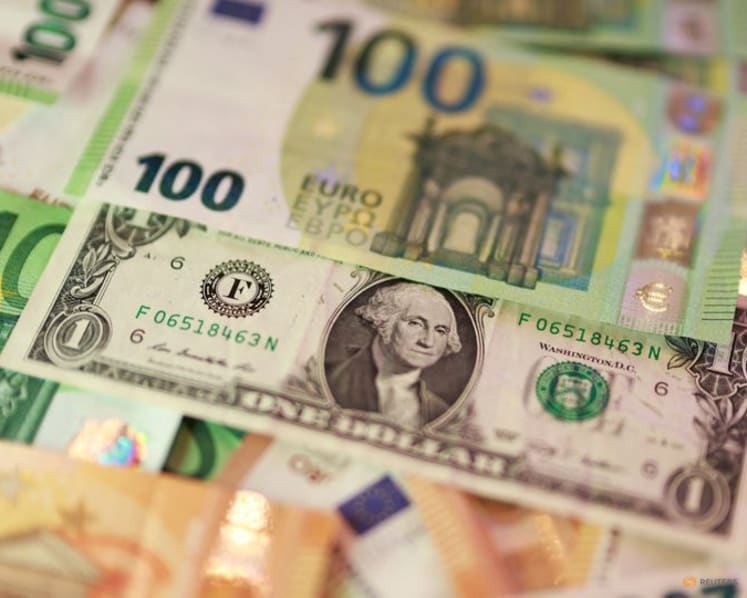
NEW YORK/LONDON, Oct 1 : The dollar rose to a 17-month high against the euro on Thursday as a global bond selloff pushed US and European government yields to fresh highs, with higher oil prices stoking inflation concerns.
The European currency fell below $1.1215 for the first time since May 2025 against the dollar, which has been in the ascendancy for the past couple of months, thanks in part to the largest quarterly rise in Treasury yields since 1994.
The euro was last down 0.77 per cent against the dollar at $1.12433. It declined nearly 2.5 per cent in September, its largest monthly decline since July 2025.
"Higher yields have been driven by a confluence of factors, in particular concern about fiscal policy including some weakness in French bond markets, which may be spilling over into global markets, as well as continued concern around energy prices and higher inflation," said Brian Daingerfield, head of G10 FX strategy at NatWest Markets.





"There's market expectations for continued tightening from central banks, which includes the Federal Reserve. We've seen a bit of pull back over the last few days specifically after some of the PCE numbers we got yesterday. But I think the broad view is that additional Fed tightening is likely coming."
The yield on benchmark US 10-year notes hit its highest level since 2002 on the day. It was last down 5.65 basis points to 5.237 per cent.
The euro also sank against the yen and the Swiss franc, and barely held in positive territory against the pound, as yields on French debt, which have been weighed by worries about France's shaky finances, surged to another 14-year high. Benchmark German debt also came under fire.
"For several weeks, this increase in the US dollar has been coming through and every now and then there's a new little narrative, which gives it a little boost," said Amo Sahota, director at Klarity FX.
"But I think the latest one is probably the most troubling one, which is this panic in European markets. French debt is just too high and then the widening spreads between France and Germany are making everybody nervous. So the euro has lost a lot of ground on that and that accelerated again."
Data on Wednesday showed US inflation rose less than expected in August, along with downward revisions to July's figure, which lowered expectations for a Federal Reserve rate hike this month. But a surge in euro zone inflation underscored the threat that higher energy prices continue to pose to the global economy.
The dollar clocked its sixth straight quarter of gains against a basket of currencies by the end of September, its longest such stretch since 2022 when US rates were rising more quickly than those elsewhere. The dollar index was last up 0.51 per cent on the day, after hitting its highest level since April 2025.
Global bonds suffered their largest monthly decline in years in September, pushing yields higher, due to a combination of deteriorating government finances, a glut of issuance and rising inflation.
Sterling was down 0.49 per cent against the dollar at $1.32 after having slid 2.1 per cent last month, but was steady against the euro, which traded at its weakest point since late June against the pound, around 85.18 pence.
The Japanese yen weakened 0.41 per cent against the greenback to 158.07 per dollar. The Australian dollar fell to a three-month low of $0.69040 after domestic inflation came in below forecasts.





