Dollar steady as traders await key US inflation data
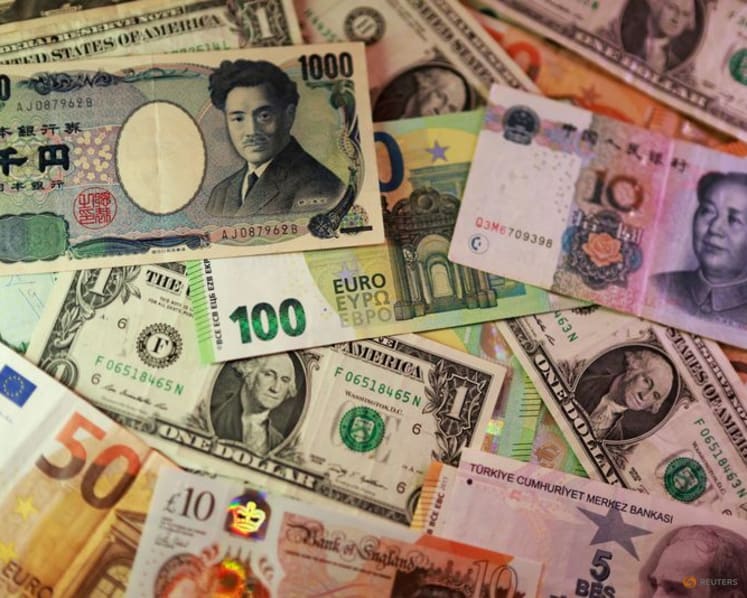
FILE PHOTO: U.S. dollar, Euro, Yen, Pound, Turkish Lira, Yuan banknotes are seen in this illustration taken March 24, 2026. REUTERS/Dado Ruvic/Illustration/File Photo
NEW YORK, Aug 11 : The U.S. dollar was steady on Tuesday ahead of Wednesday's highly anticipated consumer inflation report for July, which could shape near-term expectations for Federal Reserve policy.
Traders trimmed bets on a September Fed rate hike after Friday's U.S. jobs report showed employers unexpectedly cut payrolls last month.
A resurgence in inflation could revive those bets as the central bank continues to battle price pressures that are keeping inflation stubbornly above its 2 per cent annual target. Conversely, further signs of disinflation could dampen tightening expectations.
“So long as this disinflationary trend continues, it's hard to make a case for rates to be going higher,” said Eric Theoret, currency strategist at Scotiabank.





Rising oil prices, driven by an elusive deal to reopen the Strait of Hormuz, have reignited concerns over renewed inflationary pressure, though energy prices remain well below their recent highs.
Oil prices edged up to a one-week high on Tuesday as the market focused more on supply disruptions in the Middle East and Russia than on signs of progress in talks between Oman and Iran over shipping through the Strait of Hormuz.
The Strait of Hormuz will remain closed as long as the U.S. does not change its behavior and accept Iran's conditions to end the war, the newly appointed secretary of Iran's Supreme National Security Council said on Tuesday.
Fed funds futures traders are pricing in a 50 per cent chance of a September Fed rate increase, down from 58 per cent a week ago.
The dollar index, which measures the greenback against a basket of currencies including the yen and the euro, rose 0.06 per cent to 99.83, with the euro down 0.02 per cent at $1.154.
The Japanese yen strengthened 0.01 per cent to 159.28 per dollar.
The U.S. and Japan coordinated last month to shore up the yen after it plunged to a 40-year low against the dollar. The yen has since relinquished some of its gains, raising the prospect of further intervention.
Analysts said the yen will likely keep struggling until fundamentals improve and the Bank of Japan resumes raising rates.
“It's a show-me kind of situation when it comes to rates. Until and when they give us better fundamentals, the currency is just going to keep weakening,” said Theoret.
Jane Foley, senior FX strategist at Rabobank, said that last month's intervention came after the U.S. dollar had softened, making the operation less expensive.
"If U.S. CPI inflation data prints a number for July on the softer side of market expectations, the value of the USD could stumble. It may be too soon to expect the MoF to intervene again, but a softer USD combined with fear of intervention would likely reduce the odds of another break above USD/JPY160," she said.
Elsewhere, the Reserve Bank of Australia kept its cash interest rate at 4.35 per cent, as expected, but warned it may need to raise rates again. The RBA has increased rates by 75 basis points since February to combat inflation fueled by surging energy costs.
The Australian dollar strengthened 0.06 per cent to $0.7056.