Oil climbs 5% as Iran, US both demand compensation and Hormuz hopes fade
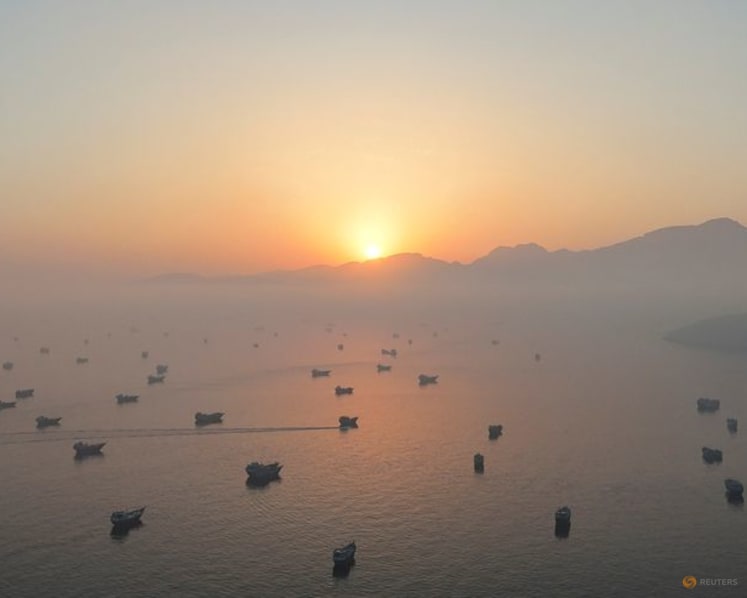
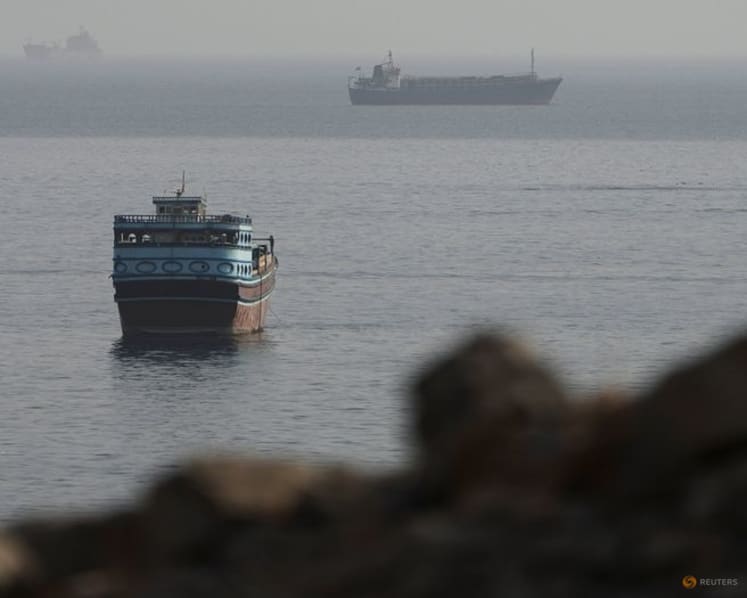
HOUSTON, Aug 10 : Oil prices settled 5 per cent higher on Monday after Iran and the United States traded demands for compensation, dimming prospects for a deal to reopen the Strait of Hormuz.
Iran also said the U.S. must lift sanctions on Tehran, and meet a number of other conditions for reopening the vital waterway, while U.S. President Donald Trump said Iran must pay compensation for "all of the people that they have killed and gravely wounded."
Brent crude futures settled up $4.17, or 4.99 per cent, at $87.72 a barrel, while U.S. West Texas Intermediate crude futures closed $3.95, or 5.05 per cent, at $82.13.
The percentage gains were the highest since July 29 on both contracts. Both benchmarks fell more than 7 per cent last week on hopes that Iran and Oman were close to reaching a deal that would result in a reopening of the strait, which carried a fifth of the world's oil and liquefied natural gas before the start of the Middle East conflict in late February.





Iran said it was nearing a final pact with Oman to define new shipping lanes through the strait but repeated that the U.S. must meet other conditions, including compensation and an end to sanctions and military threats before the strategic waterway is reopened.
Iran and the U.S. are not currently engaged in talks. Tehran will not start them while Washington is in breach of an interim deal signed in June, Iranian Foreign Minister Abbas Araqchi said on Sunday.
"Crude futures (are) seeing gains in the early trade as the US/Iran peace deal looks to be delayed along with further strikes from Ukraine hitting Russian refineries and tankers in the Black Sea," said Dennis Kissler, senior vice president of trading at BOK Financial.
"With Iran making the added demands, most traders feel near term, tighter supplies are more probable for longer," Kissler added.
In a further threat to supply, the Iran-aligned Houthis said they had struck Saudi Aramco's Jazan refinery on Sunday. Saudi Aramco has postponed the restart of the 400,000-barrel-per-day refinery to August 30 after two Houthi attacks in recent weeks, according to an alert from industry monitor IIR that was seen by Reuters.
The latest attack happened two days after the kingdom signed a defence pact with Sunni Muslim allies Turkey and Pakistan in response to growing regional instability from the U.S.-Israeli war with Iran.
ADNOC, a state-owned oil company in the United Arab Emirates, said on Friday that 15 of its vessels had been attacked while transiting the Strait of Hormuz since the beginning of the conflict.
Meanwhile, Ukraine's military continued to attack Russia's energy infrastructure. Ukrainian strikes hit the Taneco oil refinery in Tatarstan and the ZapSibNeftekhim petrochemical plant in Russia's Tyumen region.
On the U.S. supply side, stocks of crude oil in the U.S. Strategic Petroleum Reserve fell by about 6.1 million barrels to 298.7 million barrels last week, the lowest level since January 1983, according to data from the Department of Energy.