







Shares and short-term yields edge up after Fed hike, focus turns to BoE
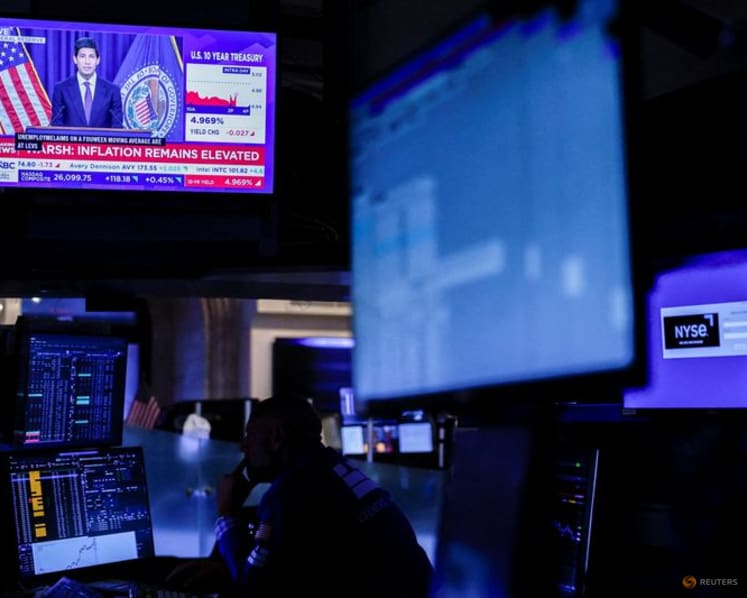
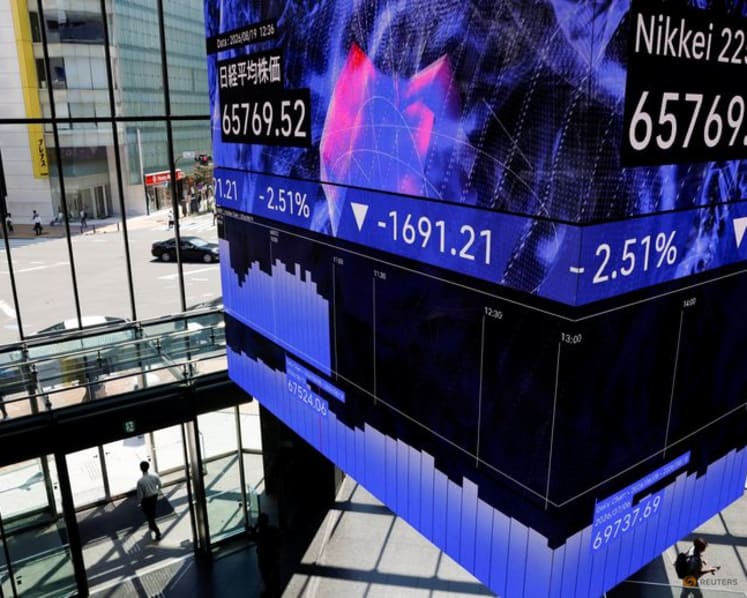
LONDON/SYDNEY, Sept 17 : World shares shuffled higher and the dollar nestled at a seven-week high on Thursday, after the U.S. Federal Reserve's first interest rate hike in more than three years and a dip in oil prices helped calm a global bond market selloff that has rumbled for months.
The focus now shifts to the Bank of England (BoE), which is expected to leave UK rates steady later, but all eyes will be on whether it points to a November hike, given the pressures of energy prices. The Bank of Japan, by contrast, is all but certain to lift interest rates on Friday.
Europe's main share markets opened 0.2 per cent-0.5 per cent stronger. A 1 per cent drop in oil prices meant Brent was still at $104 a barrel, but the Fed's overnight move added to the sense that central banks are now getting the jump on inflation.
The U.S. dollar rested at a seven-week high in currency markets, underpinned by a jump in short-term Treasury yields as markets ramped up wagers that the Fed may have to lift rates again. But it had been notable that benchmark 10-year yields and longer-term 30-year yields had barely budged.





Lisa Wang, the head of EMEA investment strategy at Franklin Templeton Investment Solutions, said Wednesday's move made for "a more credible Fed and puts a cap on long-term yields, rather than pushing them up."
With money also set to continue to be poured into AI despite the recent warnings about its risks, "overall, we are still bullish globally on risk," she added.
Europe's attention was now on the BoE's 1100 GMT interest rate decision. It looks set to stay at 3.75 per cent but investors are watching for any sign that the latest surge in energy prices could force it to follow the Fed and European Central Bank upwards before too long.
British natural gas and Brent crude futures have leapt by almost 20 per cent this month — bad news for a country heavily reliant on imported energy.
Money markets currently point to an 80 per cent chance of a quarter-point BoE rate increase in November, potentially the first of four over the next year. Economists are less convinced though it seems — only around one in eight respondents in a recent Reuters poll expected a November move.
OIL SLIPS LOWER
S&P 500 and Nasdaq futures pointed to Wall Street gaining around 0.8 per cent when it resumes later.
Sterling was up 0.10 per cent at $1.3395 ahead of the BoE decision as the dollar just started to ease from the seven-week high it had hit following the Fed's move, which its Chair Kevin Warsh had framed as removing "a dose of accommodation".
Benchmark 10-year UK gilt yields were slightly higher at 5.3 per cent. German Bunds were nearly 3.53 per cent while 10-year U.S. Treasuries were hovering just below the key 5 per cent threshold.
The Fed's quarter-point rate rise overnight had been a unanimous decision. The central bank's dot plot chart also projected one more hike this year, but stopped short of signalling any moves next year.
Tai Hui, APAC chief market strategist at JPMorgan Asset Management, said investors would need to reassess the valuations for assets especially tech stocks if the Fed remained hawkish going into 2027.
"We think the chance of U.S. policy rates returning to above 5 per cent is still limited. Nonetheless, a catalyst to extend the equity bull market is looking unlikely in the foreseeable future," he added.
Commodity markets also took a hit from the dollar's overnight rise. Brent crude futures slipped another 1 per cent after falling 2.7 per cent overnight on reports Saudi Arabia was offering crude cargoes through Oman.
That had helped ease some of the concerns about Middle East supply disruption, following recent escalation of the seven-month war after attacks by Iran-backed Houthi fighters on Saudi cities. [O/R]
Gold, however, showed some resilience, rising 0.7 per cent to $4,293 an ounce, offsetting a similar fall overnight.
"We are still neutral on the dollar right now," Franklin Templeton's Wang said, explaining that the "bigger question" was whether its status as the world's top reserve currency would diminish at all over the longer term.





