Commentary: Prabowo’s Indonesia is teetering toward a familiar disaster
Bewildering policies and authoritarian tendencies by President Prabowo Subianto are steering Indonesia toward a mix of currency instability and political chaos, says Karishma Vaswani for Bloomberg Opinion.

Indonesian President Prabowo Subianto delivers his speech on economic policies and the 2027 fiscal plan to parliament members at the parliament building in Jakarta, Indonesia, May 20, 2026. REUTERS/Willy Kurniawan
SINGAPORE: President Prabowo Subianto says he knows how to fix the problems facing Indonesia. Yet his economic mismanagement and authoritarian tendencies are steering the nation toward a familiar mix of currency instability and political chaos.
The world’s fourth-most populous nation risks reversing the hard-won democratic and business reforms that came after the 1997 Asian Financial Crisis. At that time, the rupiah collapsed and the political upheaval that followed forced dictator Suharto from power.
Prabowo’s administration is ignoring similar warning signs today.
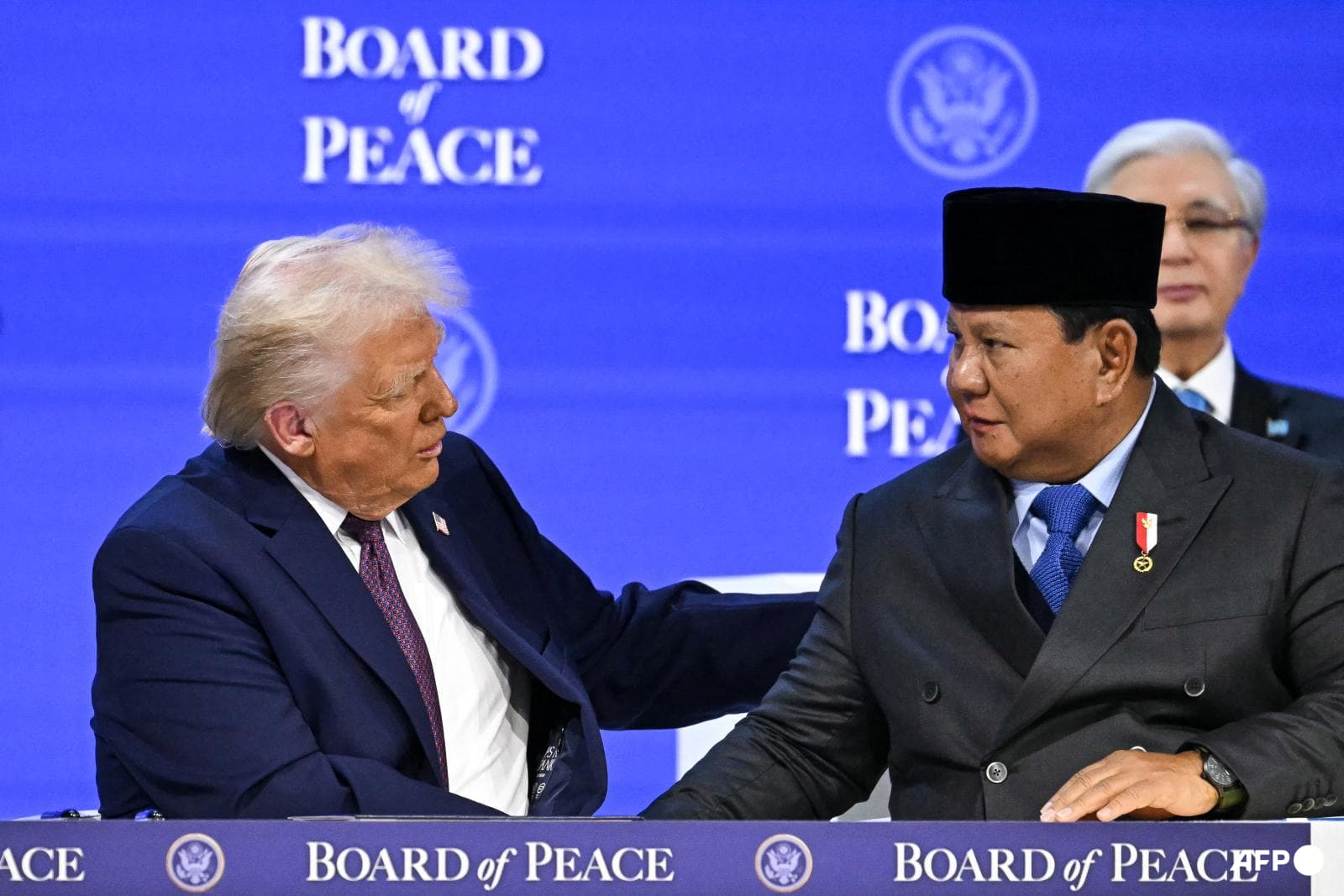
That disconnect was apparent in a national address on Wednesday (May 20), when Prabowo projected the swagger that has come to define his leadership. He declared that economic growth would soar under his watch, and that countries were increasingly looking to Jakarta for help - a sign of the country’s importance on the global stage.





But the former general appears increasingly detached from the anxiety building around him. As he spoke, the benchmark stock index gave up gains, trading as much as 2.4 per cent lower.
His problems have been compounded by the rupiah - a gauge of both domestic and international confidence - which has seen a sharp slide against the US dollar. On Wednesday, the central bank raised interest rates by half a percentage point, a bigger move than most economists had expected, to try and stem the decline.
The currency’s weakness is especially dangerous for an archipelago that remains a net oil importer, because it makes fuel - of particular concern now due to the Strait of Hormuz crisis - more expensive. It has also stirred traumatic memories of the late 1990s, when the currency fell so violently that millions of Indonesians saw their savings and purchasing power evaporate almost overnight.
BEWILDERING POLICY MOVES
Prabowo, who is Suharto’s former son-in law, hasn’t learned enough from history.
On Saturday, he brushed aside concerns about the currency’s fall, saying villagers didn’t use US dollars anyway, and joked that there was no need to worry as long as his finance minister could still smile. The comments recalled the elite hubris that characterised the final years of Suharto’s rule before the economy imploded.
The fiscal position is precarious. How can Jakarta fund Prabowo’s ambitious spending plans while keeping the budget deficit within its legal limit of 3 per cent of gross domestic product? Instead of reassuring markets, he’s leaning into the kind of nationalism more reminiscent of Indonesia’s first president Sukarno. During that era, erratic financial management led to massive inflation. Eventually the government couldn’t afford imports such as rice and other vital supplies.
At every level, the policy moves are bewildering. From plans to tighten control over commodity exports through a new agency that would ultimately be overseen by Prabowo himself and his contentious free school meals programme, which has been hit by repeated food-poisoning cases, the pattern is one of impulsive decision making.

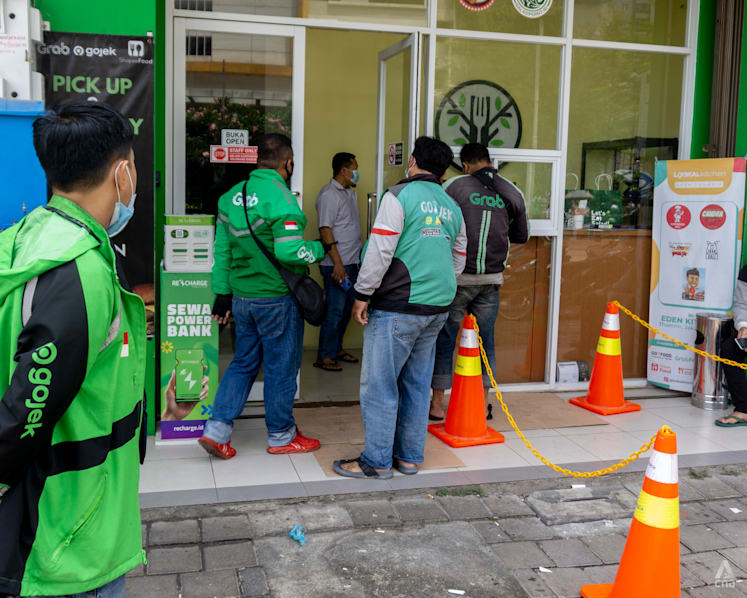
His May Day speech announcing a cap on ride-hailing commissions at 8 per cent, down from around 20 per cent, may be popular with drivers, but it was another shock for companies. Grab Holdings - one of the region’s biggest players and long a champion of Indonesia’s digital economy - said it would have to adjust its model.
Even Chinese investors, once among Indonesia’s most enthusiastic backers, are raising the alarm. In a striking letter, the China Chamber of Commerce in Indonesia warned that firms are facing abrupt policy shifts, corruption and extortion, all of which were undermining long-term confidence. Beijing is a big buyer of commodities like nickel and other minerals, which is helping to boost growth.
In response, Finance Minister Purbaya Yudhi Sadewa said the minerals belonged to Indonesia and that unhappy investors could look for them “somewhere else.”
A TITANIC MOMENT
The atmosphere increasingly feels like a last night on the Titanic moment - eerie calm above deck, yet deeper danger below. On a recent trip home to Jakarta, I was struck by how packed the city’s high-end malls and restaurants were. But outside those air-conditioned bubbles, inequality is sharpening.
The authoritarian tilt is spreading.
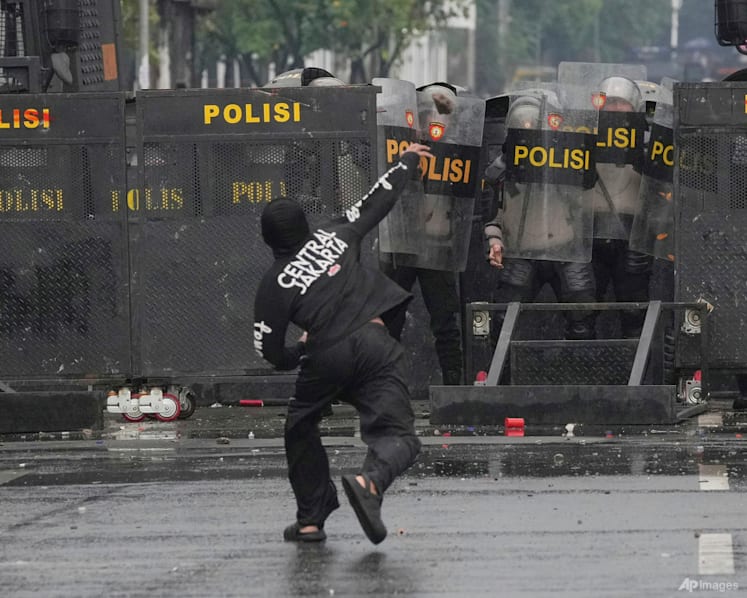
Prabowo has repeatedly argued that Indonesia should scrap direct elections for local leaders, which would shift influence away from voters. In his speech Wednesday, he lauded the nation’s democratic credentials, but those comments are increasingly out of touch with the reality on the ground. This week, Amnesty International noted that the government and its supporters are increasingly using coordinated online disinformation to smear critics, protesters, journalists and civil society groups as “foreign agents”.
Meanwhile, parliament’s 2025 revision of the military law expanded the roles active-duty officers can hold in civilian government, prompting fears of a creeping return to the military’s political role under Suharto.
To be sure, Indonesia is not on the verge of collapse. Its economy posted strong growth recently, despite skepticism around the figures, and Prabowo retains high approval ratings. Jakarta should reassure markets by defending central bank credibility, consulting businesses before abrupt regulatory changes and abandoning efforts to roll back direct elections or further expanding the military’s role.
Prabowo still has time to change course. History suggests strongmen seldom do.