







Commentary: Two nursing home licences revoked in two weeks - a warning super-aged Singapore cannot ignore
With two nursing homes getting their licences revoked due to care and safety concerns, there is value in assessing what more can be done before the next lapse forces the issue, say public health professionals Dr Jeremy Lim and Isabella Burton.
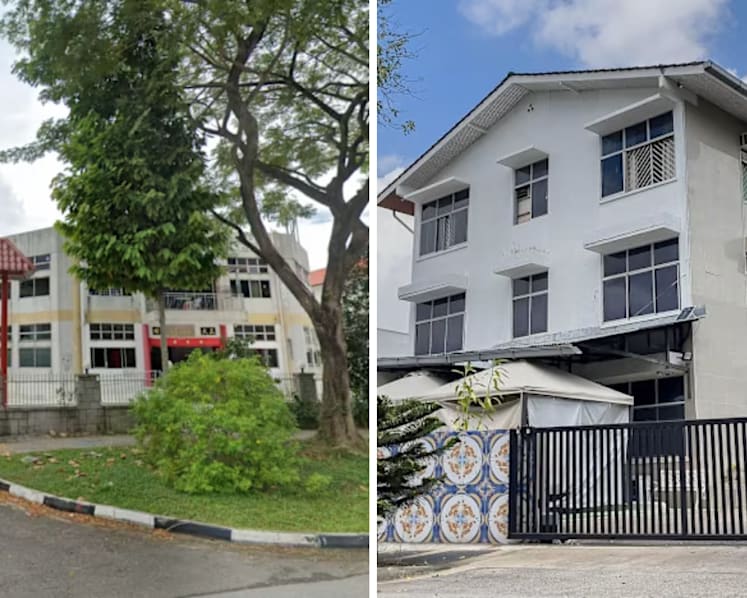
The licence revocations of Windsor Convalescent Home (left) and LC Nursing Home (right) have exposed longstanding challenges facing smaller nursing home operators. (Images: Google Street View, Instagram/LC Nursing Home)




SINGAPORE: When two nursing homes in barely two weeks have their licences revoked by the Ministry of Health (MOH), it is no longer an issue about two errant operators.
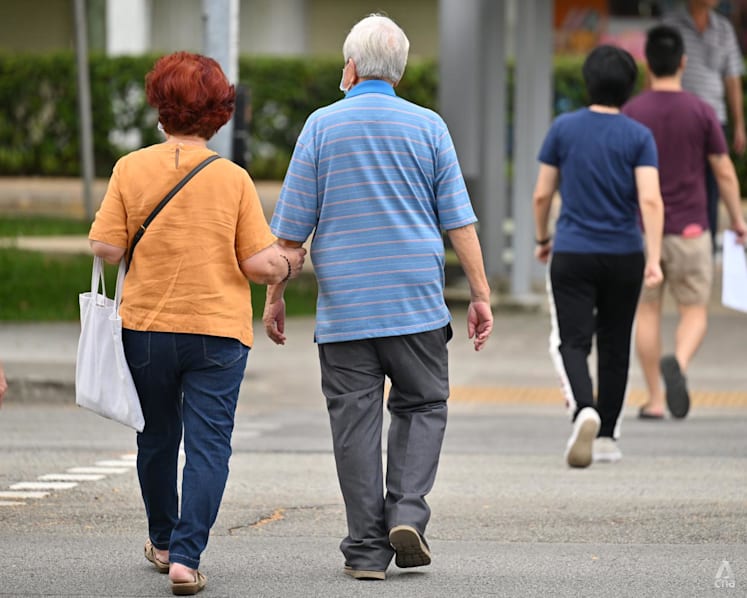
Over 20,000 Singapore seniors are in a nursing home today, based on current capacity. And Singapore’s needs for nursing home beds will also expand significantly and rapidly, now that it has become a “super-aged” society this year, with more than one in five aged 65 and above.
Furthermore, the health ministry estimates that half of all seniors will be severely disabled at some point in their lives, meaning at least three of six Activities of Daily Living (ADL) - like walking, feeding or toileting - cannot be independently performed.
MOH’s move in June to revoke the licences of Windsor Convalescent Home, a 45-bed home in Pasir Panjang and LC Nursing Home, a 93-bed home in Siglap, citing “serious and systemic” lapses in care and safety, should therefore be taken as a warning.





Aged care is something Singapore has to get right, not just in building sufficient capacity, but in providing quality care that seniors and their families can trust.
QUALITY CANNOT MEAN SAFETY ALONE
What is quality in the nursing home context? It is often reduced to the absence of bad events, meaning preventing pressure sores, falls, medications errors and the like. To be clear, these are necessary and nursing homes that cannot rectify such lapses must be held accountable.
But these are not sufficient for quality care. A nursing home can tick every box in the safety checklist and still fail its residents, if they are left to stare at a wall all day or unnecessarily kept in restraints.
Real quality includes engagement, purpose and dignity, alongside clinical safety, not instead of it. This requires more nuance, judgment and tolerance of some risk.
Realistically, some degree of trade-off is unavoidable. The resident insisting on walking to the toilet instead of using a bedpan enhances her dignity. The senior enjoying an energetic walk around the premises feels less cooped-up and isolated. But their risk of falling and other hazards also increases.
A degree of managed clinical risk is therefore the price of aged care with movement and purpose. A system which treats every fall as a scandal will end up producing the sedated, sterile life that most of us would dread for ourselves, or drive operators to underreport safety incidents.
TRANSPARENCY AND TRUST
Accepting this trade-off only works if the public can appraise quality in more sophisticated ways than simply looking at falls, or medication errors. There have been calls for more transparency and public disclosure of audit findings so that families can decide which nursing homes best meet their needs.
The question becomes how such disclosures can be meaningfully used to make informed choices, without being alarming or oversimplifying complex care into crude ratings.
Regulators typically look at three levels to assess quality.
The first is structure. This relates to input factors, such as staffing ratios, training qualifications and use of electronic records. The second is process, which encompasses aspects such clinical practice guidelines, medication safeguards and regular audit to ensure these are updated and adhered to, to name a few.
These effectively set the floor for clinical quality. Only then can outcomes, the final level, be better understood and appreciated.
Above that floor, outcomes can and should look different across homes. A facility for advanced dementia care should not be run and measured the same way as one for socially active but frail seniors. Ideally, regulators have different thresholds for alarm with different casemix of residents, with the outcomes and thresholds reported publicly with annotations so the public can appreciate the fuller context and complexity embedded in these numbers.
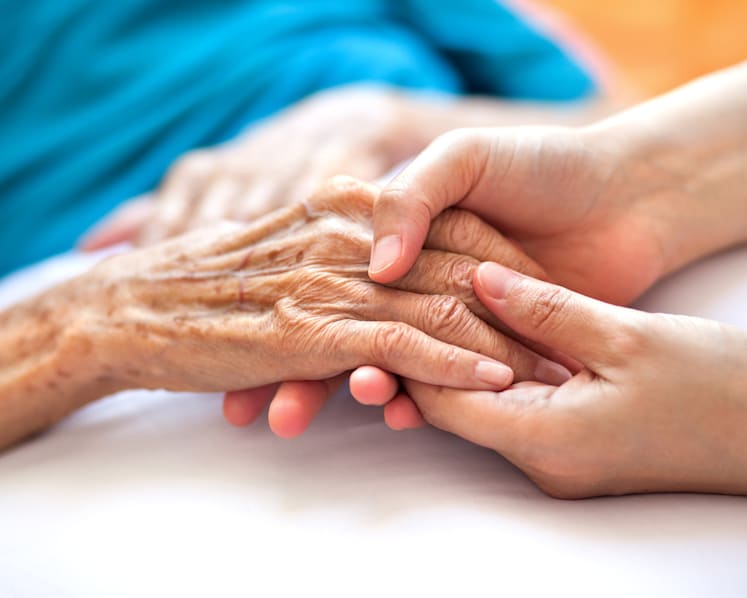
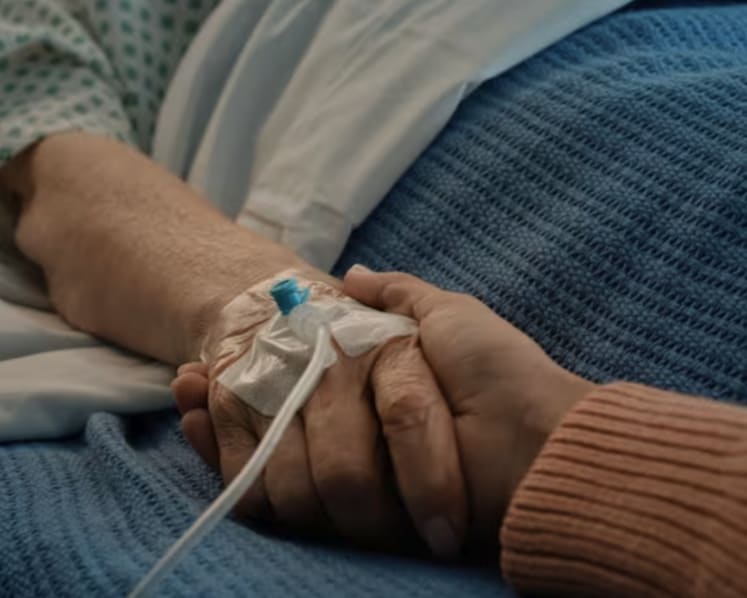
ULTIMATELY, A STRUCTURAL ISSUE
The bar for quality will only get higher and higher. Singaporeans have higher expectations today than a decade ago and regulations should reflect these.
A number of nursing homes are what we would describe as “legacy” facilities, born in different times when government attention was modest compared to today, and the community stepped up to fill a gap. These legacy nursing homes still provide necessary care today, but will eventually no longer be fit for purpose and need more help to keep up with requirements.
In an impassioned plea published in a forum letter, Dr Belinda Wee, a pioneer in the senior living sector, shared the challenges of caring for seniors and hoped aloud that “agencies will work with all senior care operators on the ground to modify, improve and support services, rather than close them down”.
She is right, of course: Singapore needs the operators, the facilities and the beds. Closing a nursing home causes real disruption to residents and their families, and there will be one fewer care option for Singapore’s growing senior population. Instead, can we “rescue” these homes and rehabilitate them?
The sector has steadily added bed capacity, from about 12,800 in end-2016 to over 20,000 in 2025 as well as operator scale with the three largest providers operating more than 1,000 beds each. This means where once the main concern was the lack of alternatives and realistic options for the residents affected, there are more options for partnerships or managed transitions when individual homes struggle.
The government has an effective backstop too. Vanguard Healthcare, a wholly-owned subsidiary of the MOH Holdings now operates five homes with over 1,200 beds. In fact, Vanguard is the operator tasked to ensure that despite the licence revocations, affected Windsor and LC residents will continue to be adequately cared for.
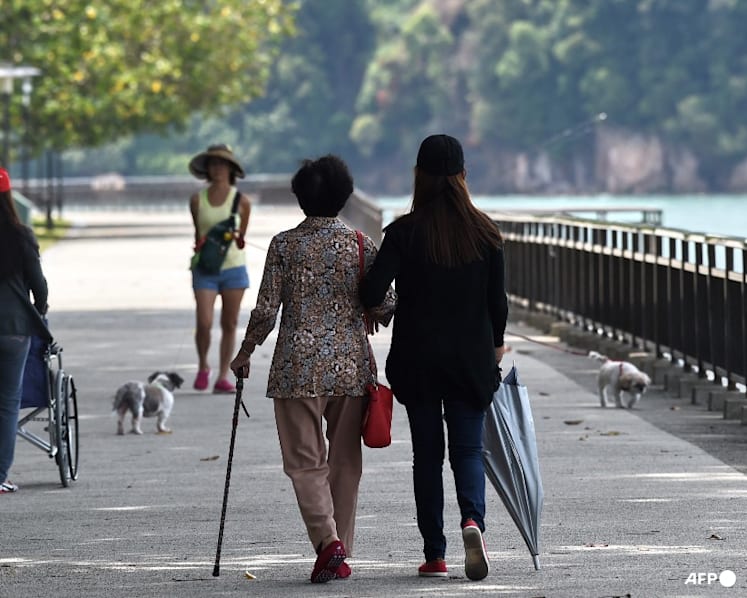
WHAT WE COULD DO BETTER
The road ahead as we see it will be one of rising standards and sector consolidation. The challenge will be to proactively manage this change instead of scrambling to react when the next nursing home fails to meet the necessary standards.
Should smaller, standalone nursing homes merge or go into closer partnership with the larger ones? About nine nursing homes have fewer than 100 beds, and some of the largest, well-funded ones presumably have the wherewithal to work with or integrate the smaller homes if called upon.
What could make sense is a proactive, orderly consolidation of the sector, guided by a national masterplan. That could ensure residents and families are given information, time, choice and continuity of care, rather than lose precious social connections and be forced into unfamiliar settings potentially far away from their families.
Surely Singapore can and must do better - and before the next lapse forces the issue.
Jeremy Lim is a medical doctor trained in surgery, public health and lifestyle medicine. He has been involved in the community care sector since the late 1990s in various capacities most recently as Chairman of Dover Park Hospice (2020 to 2024). Isabella Burton is a public health-trained New Colombo Plan Scholar with experience in community health, health promotion, and global health across Australia, Indonesia, and Singapore.




