Ahead of expected Trump-Xi summit, China's defence chief calls for greater dialogue over AI, space and deep sea
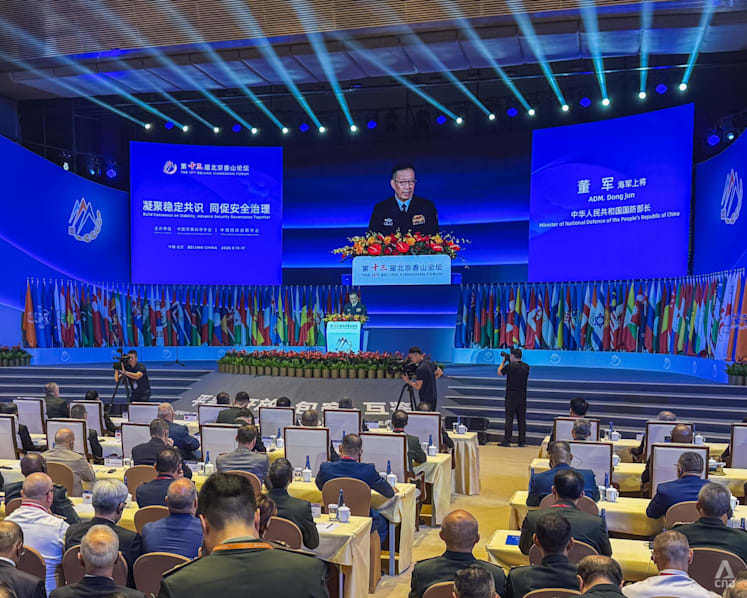
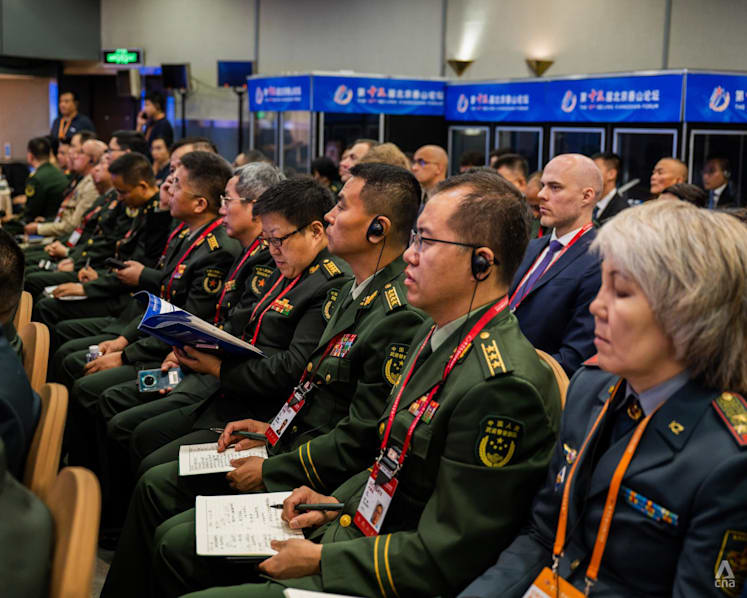
Dong Jun was speaking on Wednesday (Sep 16) at the Xiangshan Forum in Beijing which was attended by delegates from nearly 100 countries and regions, including Singapore Defence Minister Chan Chun Sing and North Korea’s Vice Defence Minister Kim Kang-il.
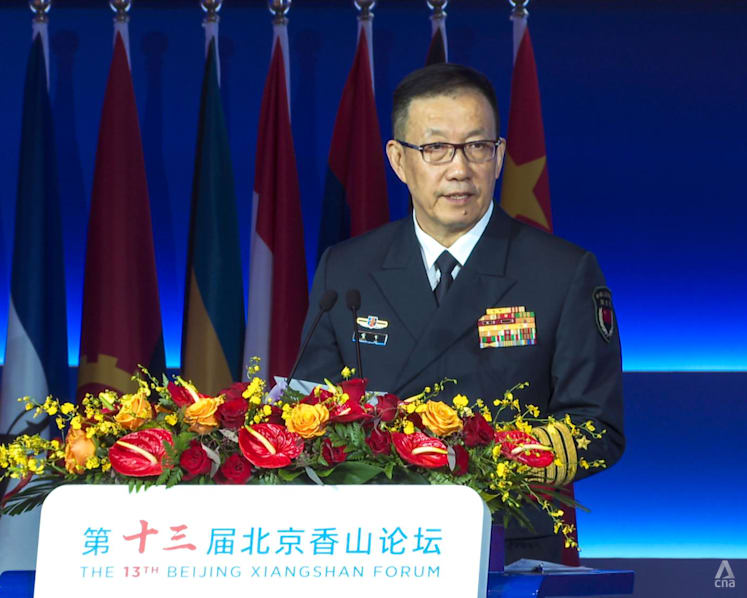
China's Defence Minister Dong Jun delivers a speech at the opening ceremony of the Beijing Xiangshan Forum on Sep 16, 2026. (Photo: CNA/Andy Tan)

This audio is generated by an AI tool.


Chinese Defence Minister Dong Jun has called for greater security dialogue and rule-making in emerging domains including artificial intelligence (AI) and outer space - areas of growing Sino-US rivalry as their leaders prepare to meet.
“(Countries should also) strengthen risk assessment, experience-sharing and rule-making, so that emerging technologies can better benefit all of humanity,” Mr Dong said in a speech on Wednesday (Sep 16) at the Xiangshan Forum in Beijing.
Major powers should take the lead in shouldering responsibility for global security governance, he also said.
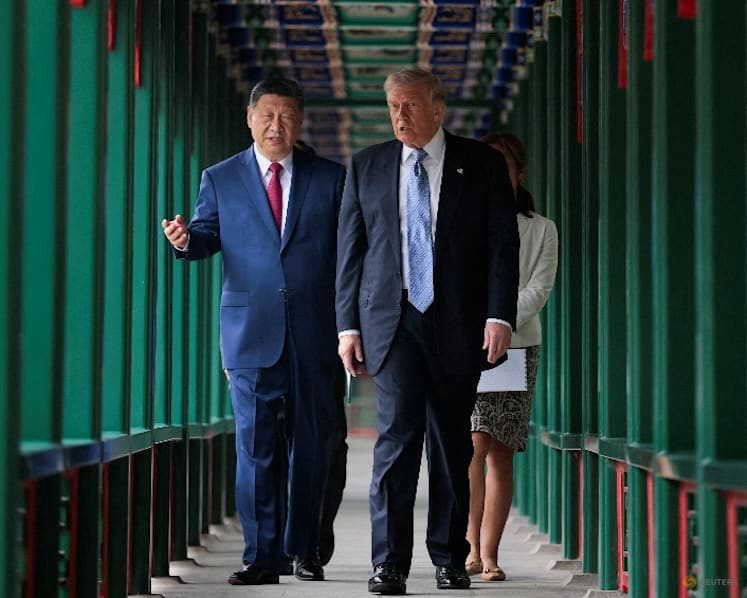
His remarks come a week before an expected meeting between Chinese President Xi Jinping and United States counterpart Donald Trump in Washington.





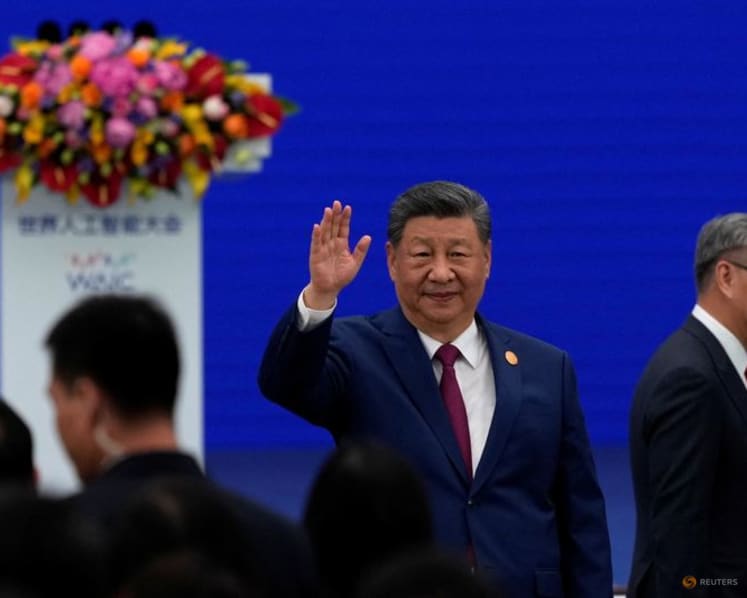
Mr Xi is set to visit the US and meet with Mr Trump on Sep 24 in their second summit this year as the two sides try to steady ties amid tensions over trade, technology and security. China has yet to confirm the trip.
Launched in 2006, the Xiangshan Forum is seen as China’s counterpart to major regional security meetings such as the Shangri-La Dialogue in Singapore.
Themed “Build Consensus on Stability, Advance Security Governance Together”, this year’s gathering from Sep 15 to 17 is attended by delegates from nearly 100 countries and regions, including Singapore Defence Minister Chan Chun Sing and North Korea’s Vice Defence Minister Kim Kang-il.
RISKS IN EMERGING DOMAINS
In his roughly 30-minute speech, Mr Dong warned of risks including the militarisation and misuse of emerging technologies, as well as risks spilling across different domains.
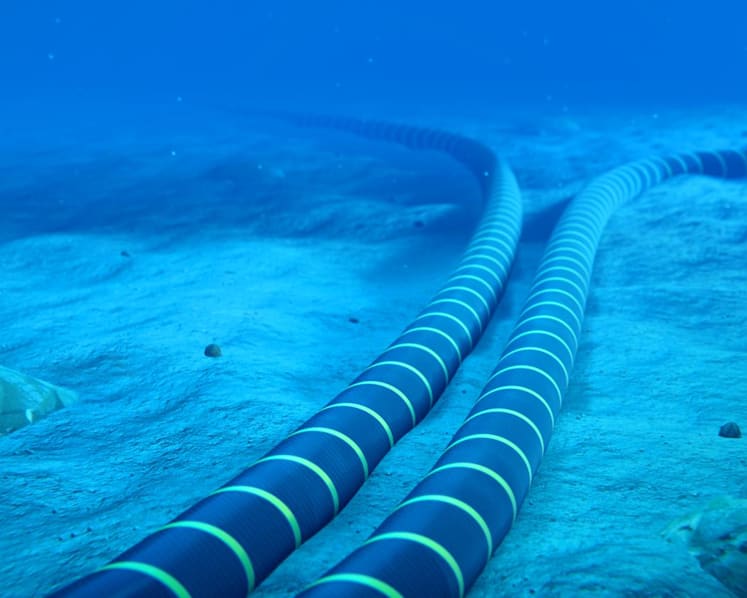
“Countries should … actively engage in security dialogue in areas including artificial intelligence, outer space and the deep sea,” he said.
Chinese Vice President Han Zheng made a similar appeal at Tuesday’s Xiangshan Forum welcome dinner, calling for faster development of governance rules for such emerging domains as well as greater international cooperation.
The calls come as AI becomes an increasingly important area of competition - and potential cooperation - between China and the US, with it widely expected to be on the agenda when Xi meets with Trump.
The US has accused top Chinese AI labs of stealing the capabilities of American models through “industrial-scale knowledge distillation campaigns". Distillation is where an AI model is trained to mimic the output of a larger, more capable one.
Beijing has rejected the claims and accused Washington of using national security to suppress Chinese companies.
Outer space has similarly become an increasingly important area of strategic and military competition.
China’s Foreign Ministry said on Tuesday it opposes any arms race in outer space and warned against turning it into a “warzone”, after the US revealed that the Pentagon is operating weapons in Earth's orbit.
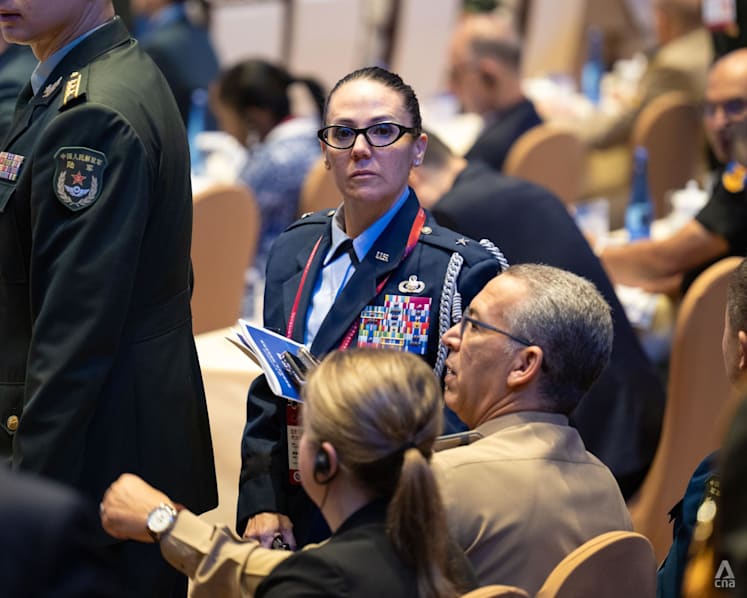
The US delegation to this year’s Xiangshan Forum is led by Brigadier General Stacy Kihara, a senior defence official at the US embassy in Beijing.
The Pentagon had initially planned to send Cynthia Carras, its principal director for China, Taiwan and Mongolia, but she pulled out days before the forum, according to the South China Morning Post.
MAJOR POWERS SHOULD “TAKE THE LEAD”
In his Wednesday speech, Mr Dong also called on major powers to take the lead in maintaining “global strategic stability”.
Major powers should take the lead in shouldering responsibility, while small and medium-sized countries should actively contribute and the United Nations should play its due role,” he said.
He said a “fair, reasonable, balanced and effective” security governance system was needed to keep risks in check and uphold international fairness and justice.
Mr Dong also called for “dialogue rather than confrontation, partnership rather than alliance, and win-win cooperation rather than zero-sum competition”.
He said conflicts ought to be resolved through dialogue, adding that military force could not address their root causes and coercive pressure would only deepen division.
“Dialogue and consultation is the only correct path,” he said, accusing some countries of “forming cliques” and “adding fuel to the fire”.
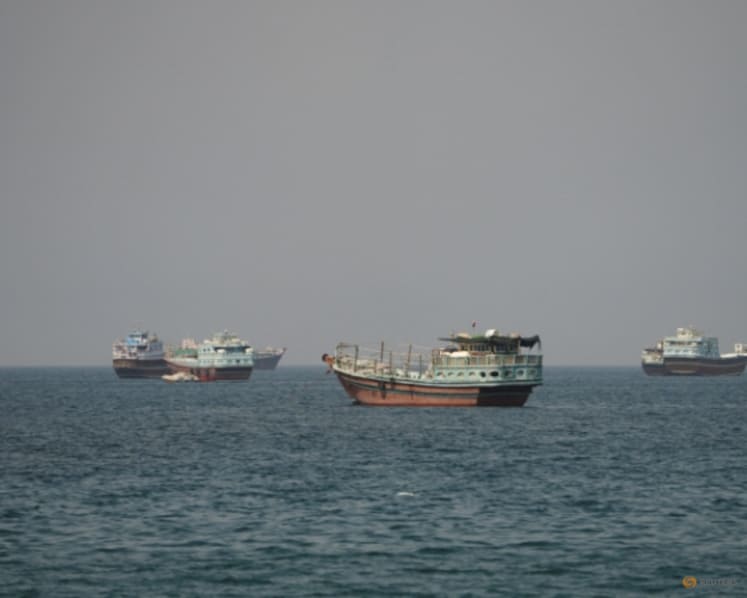
While Mr Dong did not directly mention the US in his speech, his remarks come amid the ongoing US-Iran conflict, which has disrupted shipping through the Strait of Hormuz.
During a visit to Egypt earlier this month, Mr Xi called for a new Middle East security framework and said China was ready to help safeguard key shipping routes.
Mr Dong said China’s military would deepen cooperation with other countries, including through joint exercises and training, personnel training, equipment and technology.
He also called for deeper cooperation on peacekeeping, naval escorts and counter-terrorism, citing global challenges including energy, food and shipping-lane security.
TECHNOLOGY RACE “HEATING UP”
Singapore’s defence minister, Mr Chan, spoke later on Wednesday - warning that growing competition in technology and military capabilities risked creating a “spiral of insecurity”.
“The technology race is heating up, be it in artificial intelligence, space, or robotics,” Mr Chan said, adding that military technology was now being iterated “in days, not years”.
He said countries faced the challenge of strengthening their own security without making others less secure.
“The true test of statecraft is this: How do we strengthen our own security without weakening the security of others, or without aggravating the insecurity of others?” he said.
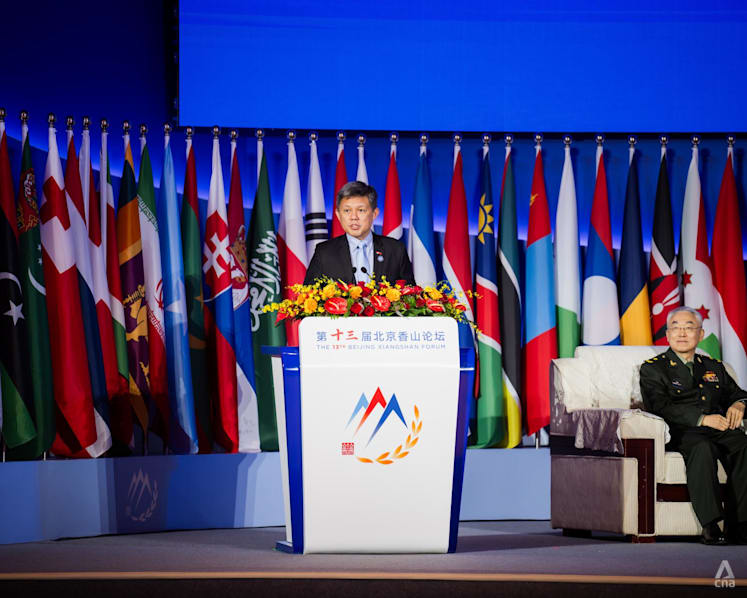
Mr Chan said shifts in power could also look very different from the perspective of smaller states.
“A country growing in strength may assert itself to address longstanding grievances and interests. Yet that same growth in strength may look very different to those around it,” he said.
“The more responsible major powers are, the less concerned small countries will be,” Mr Chan added in Mandarin.
He added that “competition and rivalry do not mean that we are enemies”, saying that if well managed, they could spur countries to do better.
In his roughly 13-minute speech, Mr Chan also called for “strategic patience”, saying countries should prioritise their long-term interests over short-term gains.
“Not every capability needs to be advertised. Not every advantage needs to be immediately pressed, and not every provocation demands an immediate response,” he said.
Mr Chan also touched specifically on Singapore’s relationship with China, citing it as an example of how countries could find common ground despite differences in perspectives and ideology.
He pointed to Singapore’s support for China’s reform and opening up, including advocating for its entry into the General Agreement on Tariffs and Trade in the 1980s and launching the Suzhou Industrial Park with China in 1994.
Mr Chan said Singapore welcomed China’s aspiration to be a “responsible major country”, pointing also to its military modernisation. The People’s Liberation Army (PLA) marks its 100th anniversary in 2027.
“As the PLA approaches its centenary, there is much potential for it to make a positive contribution to regional stability,” he said.