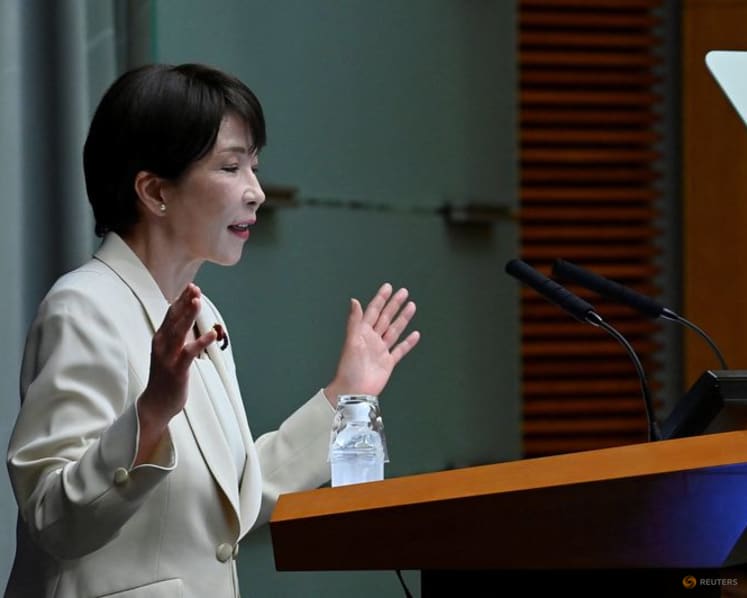
Japan PM calls China 'important neighbour', pledges stable relationship
Diplomatic relations between Japan and China have been at rock bottom since Prime Minister Sanae Takaichi suggested in November that Tokyo may intervene in any attack on the island of Taiwan, which Beijing claims as its territory.
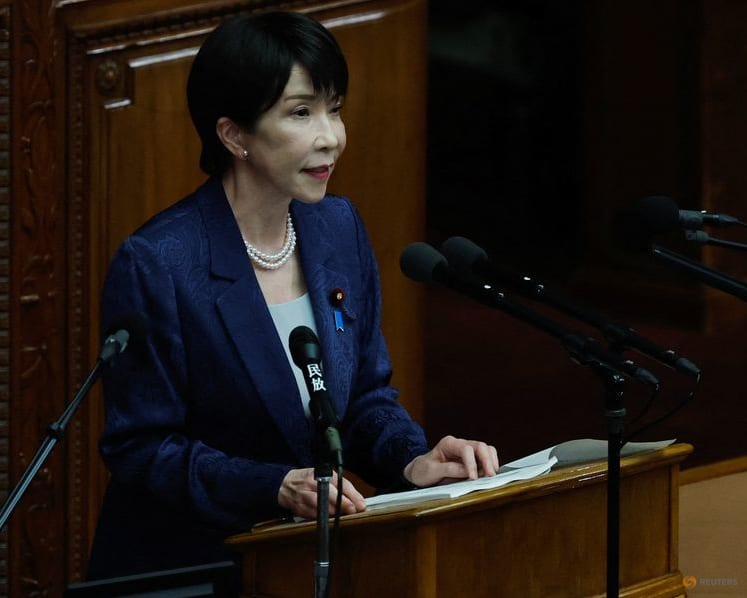
Japan's Prime Minister Sanae Takaichi delivers her policy speech in parliament in Tokyo, Japan on Oct 5, 2026. (Photo: Reuters/Kim Kyung-Hoon)
TOKYO: Japanese Prime Minister Sanae Takaichi called China an "important neighbour" and pledged to build a stable relationship between the rival nations in a policy address on Monday (Oct 5).
Diplomatic relations between the Asian economic giants have been at rock bottom since Takaichi suggested in November that Tokyo may intervene in any attack on the island of Taiwan, which Beijing claims as its territory.
"China is an important neighbour, and despite difficulties, we have built up a long-standing relationship over the years," she told parliament.
"We will work to ensure communication on shared challenges, promote dialogue to safeguard our national interests, and build a constructive and stable relationship."





But she added that Japan would also "firmly assert our country's positions" and "strongly call for responsible behaviour".
The premier also signalled her government would draft a comprehensive plan to deal with population decline, which she called a "quietly advancing national crisis".
Despite enjoying unusually high approval ratings a year into office, the prime minister is navigating a number of challenges including rising inflation, market concerns about Japan's mounting debts and a diplomatic spat with China that has been rumbling since making the comments about Taiwan last year.
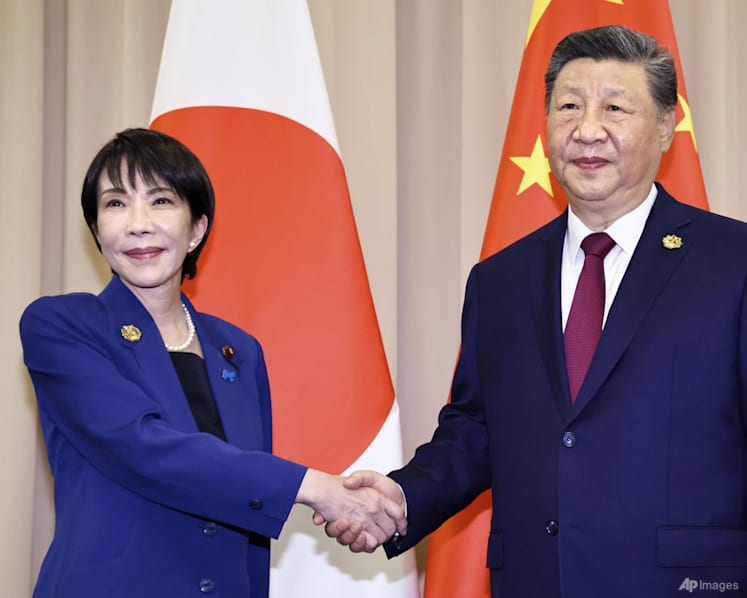
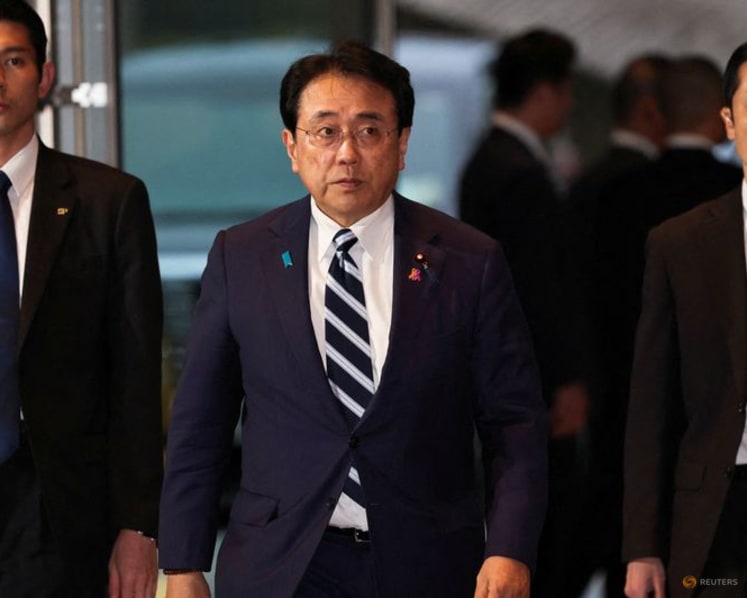
The policy speech came after China's top diplomat said last week that ties with Tokyo were "waiting to be normalised again" as he met a former Japanese foreign minister who was leading a trade delegation in Beijing.
China had last year warned its citizens against travel to Japan, and imposed trade restrictions that have reportedly led to big drops in supplies of vital rare earth minerals to Japanese firms.
On population decline, Takaichi pledged to formulate a comprehensive strategy by the end of the year.
The number of Japanese people living in the country fell below 120 million for the first time in 42 years, according to government data released in July.
FISCAL DISCIPLINE
Takaichi on Monday also pledged to pledged to "control" bond issuance and act swiftly against market turbulence, seeking to reassure investors worried about Japan's worsening public finances that have pushed up bond yields.
She said the government would pursue fiscal sustainability even as it ramps up spending to bolster growth potential, including by reviewing existing tax breaks and subsidies.
The remarks reflect mounting concern in Tokyo over rising Japanese government bond (JGB) yields, which would boost the cost of funding the premier's ambitious spending plans.
The 30-year JGB yield hit a record high of 4.235 per cent on Monday on jitters over the risk of increased debt issuance and inflation worries fuelled by the Middle East war.
Japan's public debt, at roughly twice the size of its economy, is the largest in the developed world. Funding costs are climbing as the Bank of Japan raises interest rates and tapers bond purchases in an effort to wean the economy off decades of massive stimulus.
Takaichi said the government will seek to draw in private investment in growth areas through "massive, long-term fiscal expenditure deployed in a well-planned, predictable manner."
At the same time, it would keep a lid on annual bond issuance, calibrating borrowing to tax revenues, interest rates, debt-financing costs and economic and market developments, the premier said in the speech to an extraordinary parliament session that convened on Monday.
"If the economy and markets make unexpected moves, we will scrutinise their impact and respond nimbly as needed," she added without elaborating.
The speech kicked off a parliamentary session that will run through to December and discuss several bills, including plans to cut a consumption tax on food for two years to curb the impact of inflation on voters' daily lives.
The premier's speech also included a pledge to support the International Criminal Court after the United States targeted the tribunal's Japanese President, Tomoko Akane, with sanctions in August.