




North Korea test-fires two types of submarine-launched strategic cruise missiles
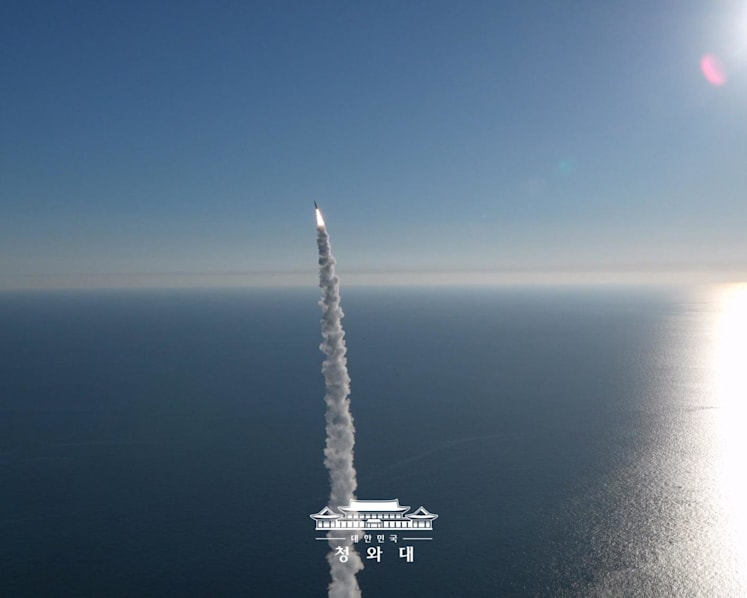
Photos released by KCNA showed one missile blasting vertically out of the sea, trailed by a thick plume of smoke. Another photo appeared to show a projectile erupting from the water at a 45-degree angle.
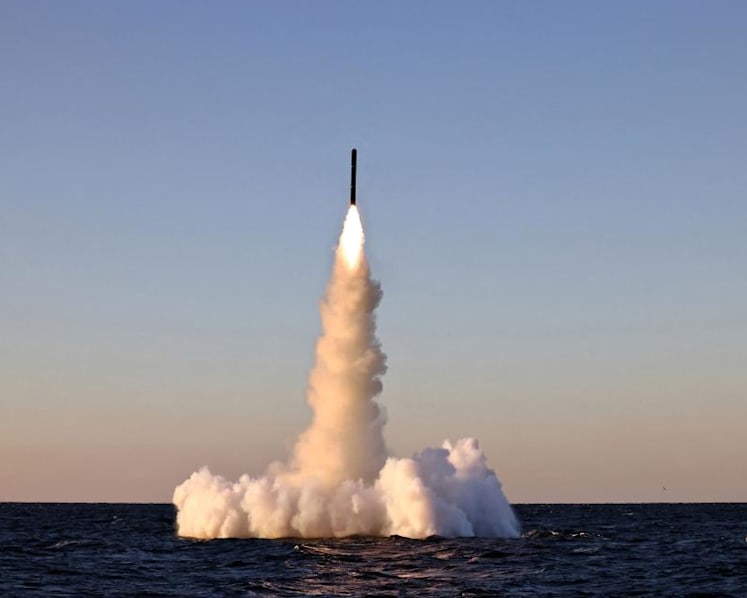
North Korea said it had tested two types of submarine-launched strategic cruise missiles on Oct 14, 2026. (Photo: KCNA via Reuters)
SEOUL: Pyongyang test-fired two types of cruise missile from a submarine, its state news agency said Thursday (Oct 15), after weeks of friction with Seoul over a landmine explosion along their border.
The missiles were fired into the East Sea, also known as the Sea of Japan, on Wednesday without "any adverse impact on the security of neighbouring countries", the official Korean Central News Agency (KCNA) said.
Relations between Pyongyang and Seoul have been further strained since the landmine blast last month in the Seoul-controlled area of the Demilitarised Zone (DMZ), which injured three South Korean soldiers.
Both countries tested upgraded missile technology in the aftermath.





The latest test "aimed to examine the current mobilised posture of the underwater combat systems" and served as a navy training exercise, KCNA said.
The launches showed the "high reliability, trustworthiness and ability of the war deterrents of the DPRK", the agency reported, referring to North Korea by the abbreviation of the country's official name.
North Korea has carried out several missile launches from submarines in recent years, although its sea-based launch capabilities remain unclear.
Cruise missiles tend to be jet-propelled and fly at a lower altitude than more sophisticated ballistic missiles, making them harder to detect and intercept.
Proven submarine-launched ballistic missile capability would take North Korea's arsenal to a new level, allowing deployment far beyond the Korean peninsula and a second-strike capability in the event of an attack.
TACTICAL SIGNIFICANCE
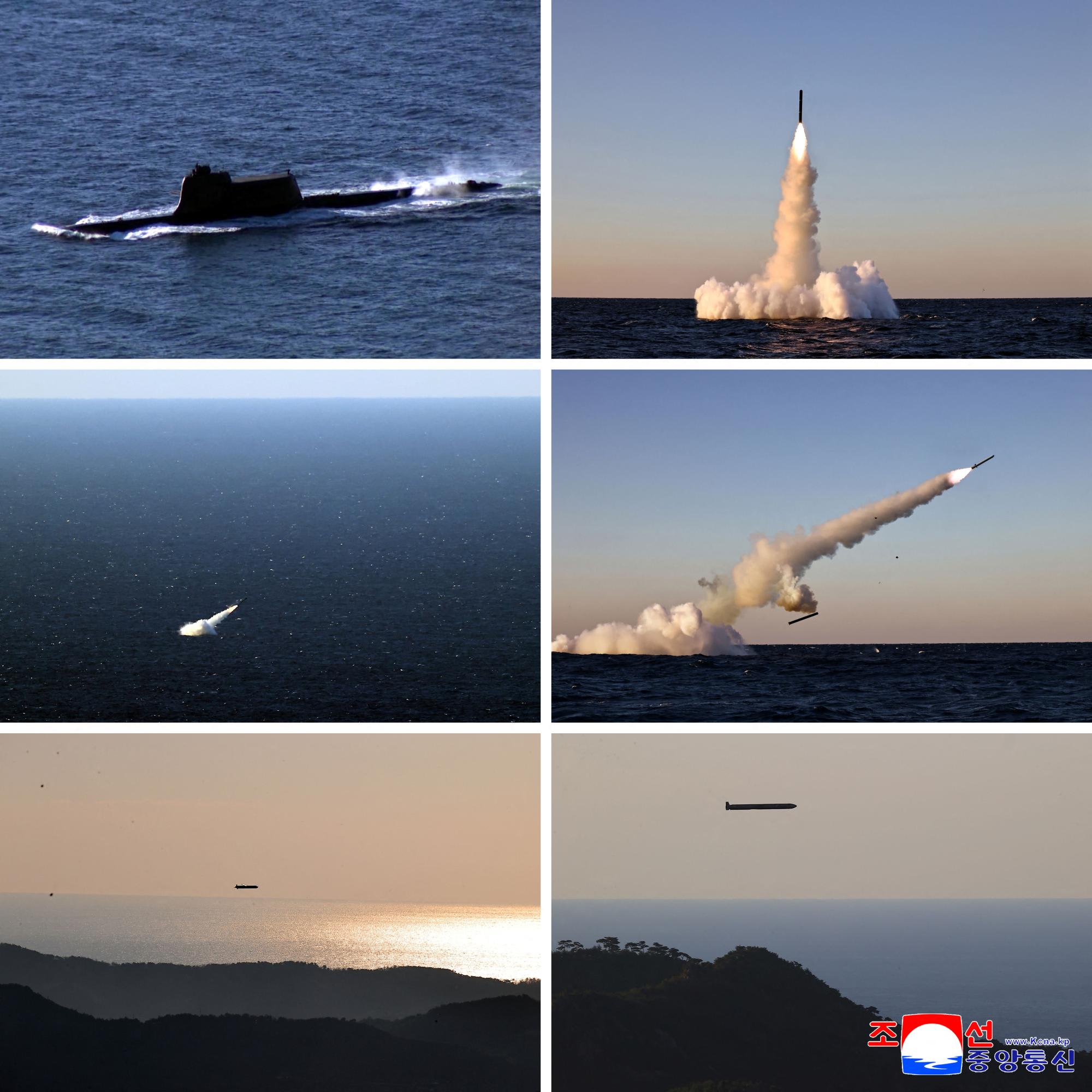
Photos released by KCNA showed one missile blasting vertically out of the sea, trailed by a thick plume of smoke. Another photo appeared to show a projectile erupting from the water at a 45-degree angle.
Other images showed a missile flying horizontally over the sea, as well as a submarine travelling on the water's surface.
The North's ability to launch missiles from submarines at two different angles carries "tactical significance", Hong Min of the Korea Institute for National Unification told AFP, as the two launch methods serve different purposes.
"Vertical launches allow missiles to climb steeply before descending towards their targets, potentially extending their range," he said.
"Angled launches, on the other hand, allow missiles to fly at lower altitudes from the outset, making them harder for missile defence systems to detect and intercept."
North Korea has carried out multiple ballistic missile tests in October, most recently on Monday.
The two Koreas have engaged in a tit-for-tat series of missile tests this month, with both sides test-firing hypersonic weapons.
South Korea test-fired its first homegrown hypersonic glide vehicle last week, days after Pyongyang said it had launched an AI-assisted intermediate-range hypersonic missile.
Seoul and Pyongyang remain technically at war as the Korean conflict ended in 1953 with a truce rather than a peace treaty.