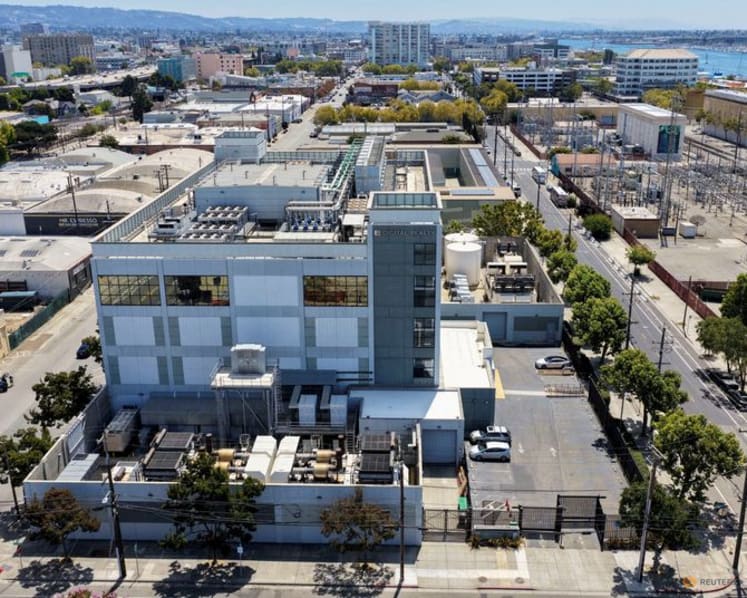





How Singapore is preparing to keep its power grid reliable as demand grows
Singapore's peak electricity demand is projected to grow by between 2.9 per cent and 6.5 per cent annually over the next decade, according to EMA.
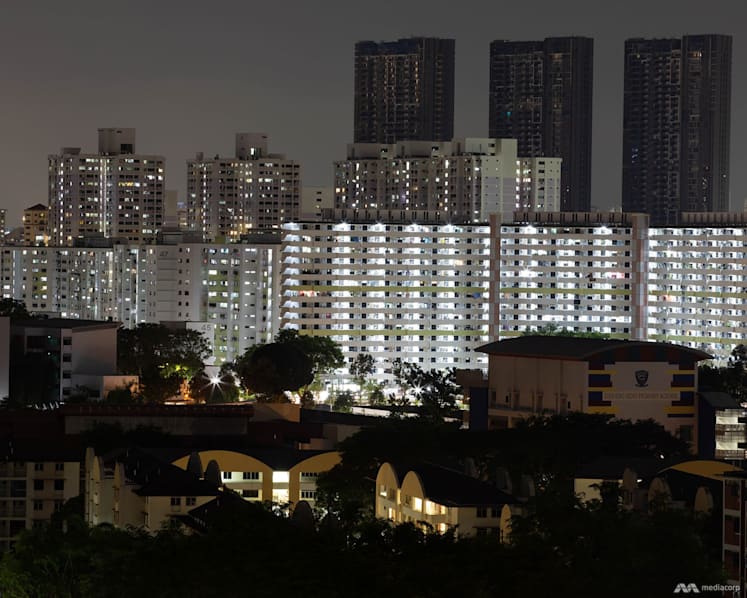
HDB flats in Singapore. (File photo: CNA/Ili Nadhirah Mansor)

This audio is generated by an AI tool.
SINGAPORE: Singapore is taking steps to ensure its power grid can support increasing demand from data centres, advanced manufacturing facilities and other energy-intensive developments, while maintaining its high level of reliability.
This comes as Singapore's peak electricity demand is projected to grow by between 2.9 per cent and 6.5 per cent annually over the next decade, according to the Energy Market Authority's (EMA) 2026 demand projections.
EMA and SP Group say such preparations include long-term demand planning, grid upgrades and diversifying energy sources.
Speaking to CNA938 on Wednesday (Oct 21), SP Group vice president of asset planning and strategy Quek Swee Xian said this involves understanding not just how much electricity will be needed, but also where demand is expected to emerge and when it is likely to materialise.
The grid operator works with EMA to review electricity demand projections and other agencies such as JTC Corporation and the Economic Development Board to identify areas where demand is growing.
"It is not only about how much capacity is coming in, but more importantly where the demand is and also when it is coming, so that we can prepare ahead," Ms Quek said.
She noted that Singapore's electricity needs are changing amid a growing number of electric vehicles on the roads.
As of 2025, EVs made up 7.4 per cent of Singapore's total car population, reaching 49,262 vehicles – nearly double the 4 per cent share recorded the preceding year.
Industries with significant power requirements are also expanding, with Singapore home to 70 data centres.
The nature of Singapore's electricity grid is evolving as well.
Electricity traditionally flows in one direction - from power plants through the grid, and eventually to homes and businesses.
However, electricity now comes from more sources, Ms Quek said, referring to the increasing adoption of solar energy and battery storage systems, along with the possibility of more low-carbon electricity imports in the future.
"For example, a building with solar panels can now draw electricity from the grid and at the same time, send electricity back to the grid," she added.
With a more "dynamic and complex" electricity network, Singapore must therefore continue to develop sufficient capacity while renewing and strengthening the existing network that homes and businesses rely on.





MAINTAINING RELIABILITY
Maintaining electricity reliability is another key priority amid growing demand.
Ms Quek said Singapore operates "one of the world's most reliable electricity networks".
She noted that Singapore could "experience up to 30 minutes of interruption a year on average" in the 1990s, in comparison to outages today, which are measured in seconds.
The network here is designed with built-in redundancy so electricity can be supplied through alternative routes when faults occur.
When disruptions happen, teams from SP Group work to identify the fault, isolate the affected area and restore supply as quickly and safely as possible, she added.
Singapore's power system also has contingency measures in place to cope with disruptions. According to EMA, power generation companies can draw on a standby liquefied natural gas facility if gas supplies are interrupted, while they are also required to maintain fuel stockpiles.
Asked about the possibility of higher electricity prices as demand grows, EMA Assistant Chief Executive (Energy Technologies) Eugene Toh noted that solar energy is cheaper than natural gas, and as more solar energy enters the system, there could be "downward pressure" on prices.
However, he said future electricity prices would also depend on factors such as the diversification of energy sources and the upgrading of energy infrastructure, including the power grid.
Policymakers would need to balance three priorities: affordability, sustainability in the form of de-carbonising the economy and energy security.
"How you balance these three factors will really be the key to answering how our energy needs are met in the long run," he added.
DIVERSIFYING ENERGY SOURCES
Beyond grid upgrades, EMA is also looking at ways to strengthen Singapore's energy security through a more diverse mix of energy sources.
Singapore's LNG infrastructure allows the country to source natural gas from different parts of the world, including Qatar and Australia, said Mr Toh.
In the longer term, Singapore is also studying greater regional power connectivity that could grant access to low-carbon electricity sources such as solar energy and hydropower from neighbouring countries.
The Association of Southeast Asian Nations (ASEAN) aims to establish an interconnected power grid by 2045 to facilitate cross-border electricity trade and strengthen energy security.
"We need to continue to work with countries around the world ... to diversify our energy sources and bolster our energy resilience," Mr Toh said.
EMA is also studying the development of an energy infrastructure cluster on Pulau Tekong that could potentially accommodate hydrogen-ready gas-fired power plants, LNG infrastructure and other low-carbon energy technologies.
The study will explore whether co-locating such facilities in the same cluster could help optimise land use while supporting Singapore's future energy needs, said Mr Toh.
He added: "We can then power back the electricity to mainland Singapore, and hence we'll continue to power our energy needs, whether it's for our economy, whether it's for our people or businesses."
A consultant is expected to be appointed by mid-2027, and the study of the 200ha site on reclaimed land - equivalent to about 40 per cent of Sentosa Island's land area - is estimated to take about two years.