







AVS launches first animal shelter guidelines, including max capacity and exit plans
The issue of animal shelter standards came under scrutiny after the now-closed Animal Lovers League was accused of animal overcrowding, poor hygiene standards and delays in treating sick animals last year.

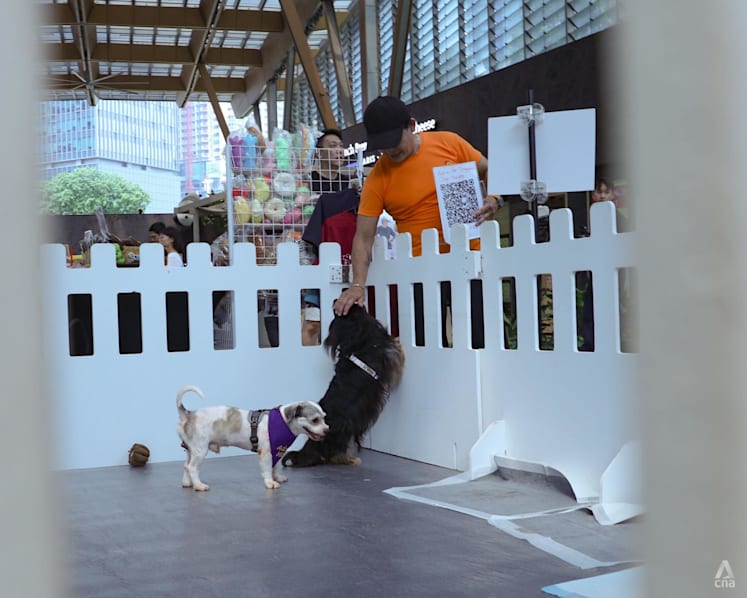
Members of the public with their pet dogs at the Paws in the City event at Guoco Tower on Aug 28, 2026. (Photo: CNA/Mak Jia Kee)

This audio is generated by an AI tool.


SINGAPORE: From financial planning to animal housing conditions, the Animal and Veterinary Service (AVS) on Friday (Aug 28) launched a new set of guidelines spelling out minimum standards and best practices for animal shelters in Singapore.
Previously, there were no common benchmarks for shelter operational practices, as the roughly 15 animal groups operating shelters that were known to the AVS had developed their own welfare practices over the years.
The new guidelines, which are not legally binding, seek to establish common ground on what is “minimally appropriate” for the care of animals in shelters, and distinguish between minimum standards that all shelters are expected to follow and best practices that they are encouraged to adopt, said the regulator.
The guidelines span four key areas: the management of shelter operations; animal housing and environment; animal management; and animal healthcare.





They include guidance on the maximum number of animals that are kept by shelters, as well as the need for shelters to have exit plans if they cease operations.

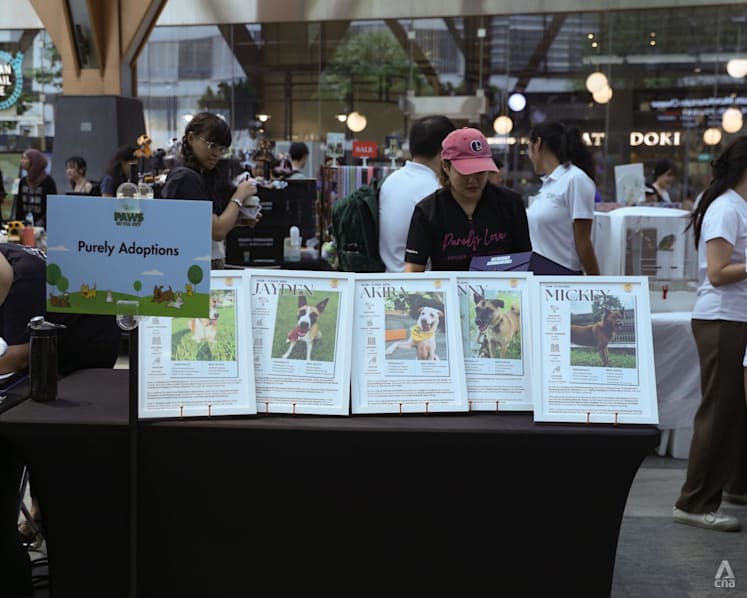
Speaking to the media at an adoption drive at Guoco Tower, Minister of State for National Development Alvin Tan said: “We've held focus group discussions with stakeholders like animal shelters, vets, and animal trainers, as well as a public consultation with the wider community to develop these guidelines.
“Now, animal groups currently rely on their own internal practices for housing, for rehoming, and for the care of animals. We know they do their best to care for the animals under their care … but that's not enough.”
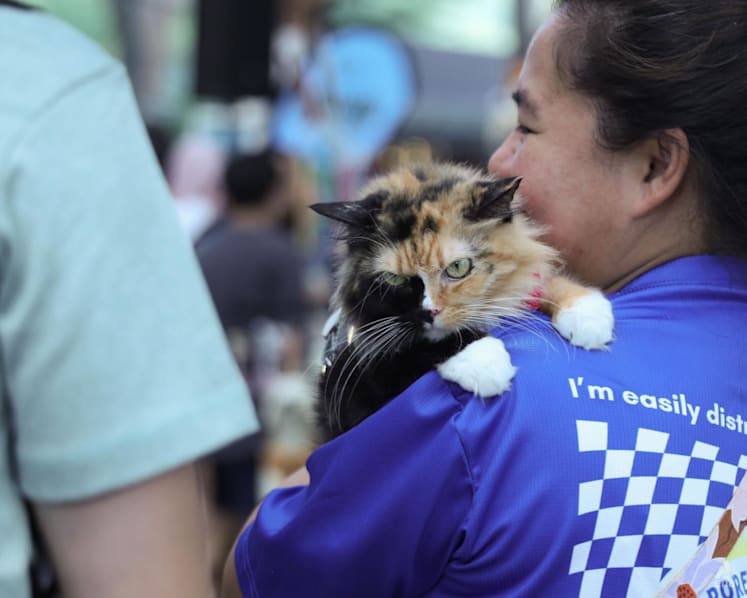
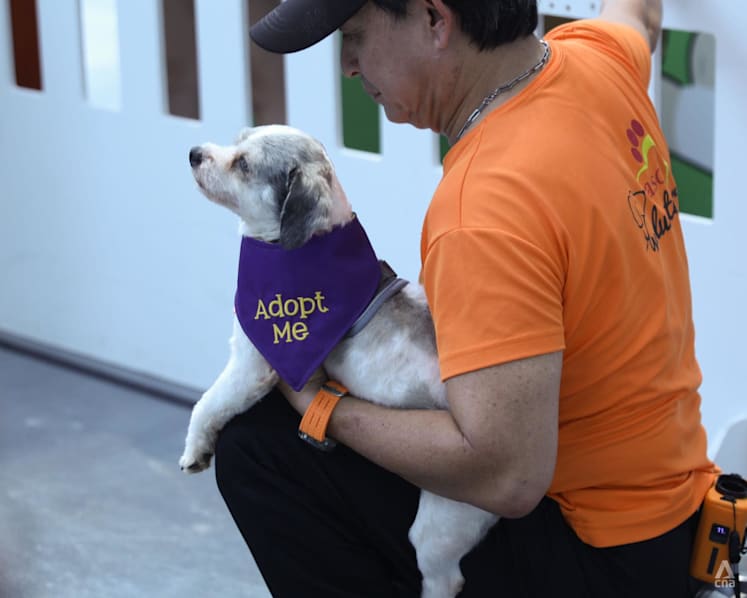
The adoption drive, named Paws in the City, is run by AVS, a cluster under the National Parks Board. It is AVS' first adoption drive in the central business district.
While consultations on common standards began as early as 2024, the issue of shelter standards later came under greater scrutiny following animal welfare concerns at Animal Lovers League (ALL), one of Singapore’s largest and longest-running animal shelters that accumulated 53 months of rental arrears and was ordered to leave its premises in February this year.
The incident highlighted broader pressures facing Singapore’s animal rescue network, with welfare groups grappling with limited capacity, rising costs and slowing adoptions.
At the time, volunteers raised concerns about deteriorating conditions at its premises at The Animal Lodge in Sungei Tengah, including overcrowding, poor hygiene and delays in providing medical treatment to sick animals.
The group, which has a no-kill policy and at its peak housed more than 500 rescued animals, said it had struggled with funding and rising veterinary costs, particularly after the COVID-19 pandemic.
ALL is being investigated by the Commissioner of Charities for alleged non-compliance with the Charities Act.
Asked how the guidelines were informed by the ALL incident, Mr Tan said the authorities received feedback from animal shelters at The Animal Lodge, trainers and vets on establishing the guidelines.
“I think many lessons we've learned as well will help us to ensure that best operational practices are being applied to these guidelines.
“But the most important part of this is how the animal shelters themselves and the animal welfare groups apply these guidelines, and AVS is on standby to support them to raise the standards.”
AVS said planning and development of the guidelines had begun before the issues involving ALL surfaced.
AVS first consulted its animal group rehoming partners on the guidelines, before holding a focus group discussion in September 2024 with involved parties, including animal shelters, veterinarians and animal trainers.
This was followed by a public consultation from Dec 3, 2024 to Feb 2, 2025, which drew more than 600 responses. Of these, 82 per cent supported the development of guidelines for animal shelters in Singapore.
Respondents cited greater accountability, transparency and public trust in animal shelters as key benefits of having common reference standards to safeguard animal welfare.
WHAT THE GUIDELINES SAY
Under the category of shelter operations, the guidelines address areas such as accountability, record-keeping, staffing and training, security, emergency preparedness and resource management.
In addition to dogs and cats, the guidelines also cover small mammals like chinchillas and hamsters.
As a minimum standard, the guidelines stipulate that the maximum number of animals kept at any one time should be appropriate for the shelter’s premises.
"Shelters should know what care they can provide based on their resources (for example, the number of staff) before taking in animals, to reduce the animals’ stay time," the guidelines stated.
Shelters should also, at the minimum, have a clear financial plan to manage the expected income and costs for the next six to 12 months.
There should be exit plans if the shelter ceases operations, such as adequate funds to meet the costs of closure and remuneration for staff, and plans for the ongoing care of the animals. Financial accounts and records should be maintained according to the prevailing legal requirements, the guidelines stated.
The guidelines also set out recommended practices for animal housing and environmental conditions, as well as feeding, exercise, enrichment, socialisation and animal handling.
On healthcare, the guidelines cover health monitoring, disease prevention and access to veterinary care and treatment.
Animals should be inspected at least once a day to monitor their health and well-being, with prompt veterinary attention sought for significant illnesses, injuries or diseases.
Each shelter should also engage a veterinarian to oversee a written disease prevention and healthcare programme, while every animal should go through a veterinary health check at least once a year.
Responding to a question about the lack of legal teeth, Mr Tan said: “We've worked very closely with (animal welfare groups) over the years to ensure that we've gotten their feedback to establish these guidelines as well as these operational best practices.
“So AVS works very closely with them to formulate these guidelines and now to partner with them to apply these guidelines in their operations.”
STERILISING FREE-ROAMING DOGS
AVS on Friday also provided an update on the Trap-Neuter-Rehome/Release-Manage programme for free-roaming dogs.
Launched in 2018, about 4,500 free-roaming dogs have been enrolled under the programme as of July 2026.
Around 80 per cent of free-roaming dogs have been sterilised, more than the original target of 70 per cent.
More than 65 per cent of the dogs have been rehomed, fostered or sheltered.
AVS has worked with animal groups to rehome more than 2,700 dogs under a project to facilitate the adoption of local mixed-breed dogs in HDB flats,
AVS said that dogs that could not be rehomed were released at suitable locations where they could continue to be cared for by community caregivers.
A GOOD PLACE TO START
The Society for the Prevention of Cruelty to Animals (SPCA) welcomed the guidelines, saying they would help bring Singapore's animal shelters into greater alignment.
Deputy executive director Natalie Chan said the organisation already follows most of the practices set out in the guidelines, having looked to overseas animal welfare organisations for best practices.
"This is a good baseline to start from ... because the other shelters, they're all in varying levels of establishing themselves, so I think having a general guideline would be a good place to start."
She noted that training volunteers could be a challenge for shelters given high turnover. The guidelines recommend that staff, volunteers and visitors be trained in areas such as health, hygiene and safety as part of best practices.
Founder of Action for Singapore Dogs Ricky Yeo agreed that the guidelines could serve as a “practical blueprint” for welfare groups that run shelters or are looking to set one up.
But keeping to the guidelines may involve higher costs for shelter operators, he said.
"On one hand, it spells very clearly the standards that an animal welfare group should hold to if they have a shelter. On the other hand, keeping to the standards may prove to be very challenging," he said.
"At the end of the day, the difference between minimum standards and best practices is the monetary and logistical cost of meeting the different standards.
The two animal welfare advocates were cautious about penalising shelters that fall short of the minimum standards.
Ms Chan said the focus should be on helping them adhere to the guidelines.
“The whole point is to improve animal welfare... It's to help them achieve the minimum standards,” she said.




