Crowding, inconsiderate behaviour, air-con issues among top commuter concerns: PTC survey
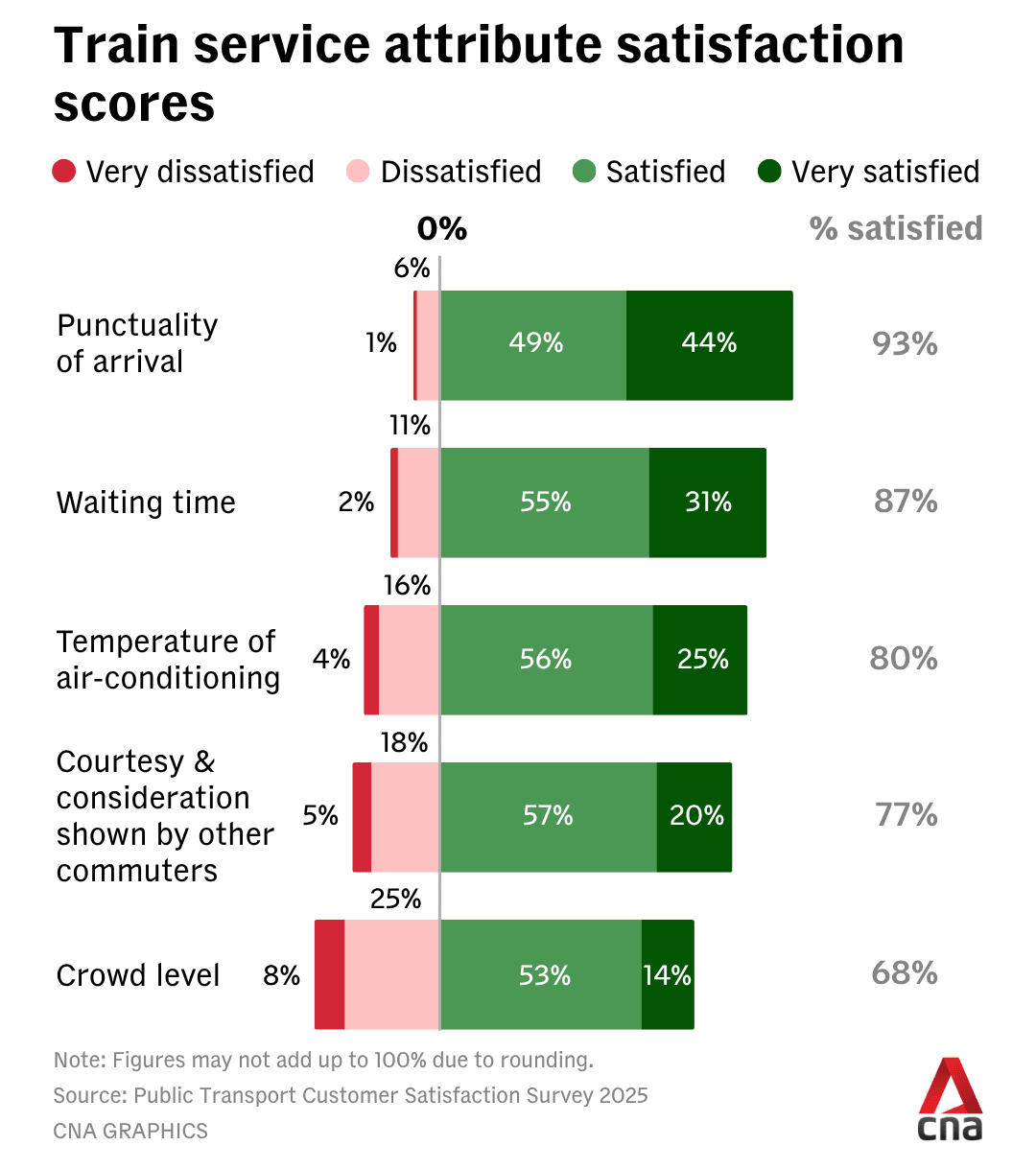
The survey found that overall 87 per cent of commuters expressed satisfaction with Singapore’s public transport system.
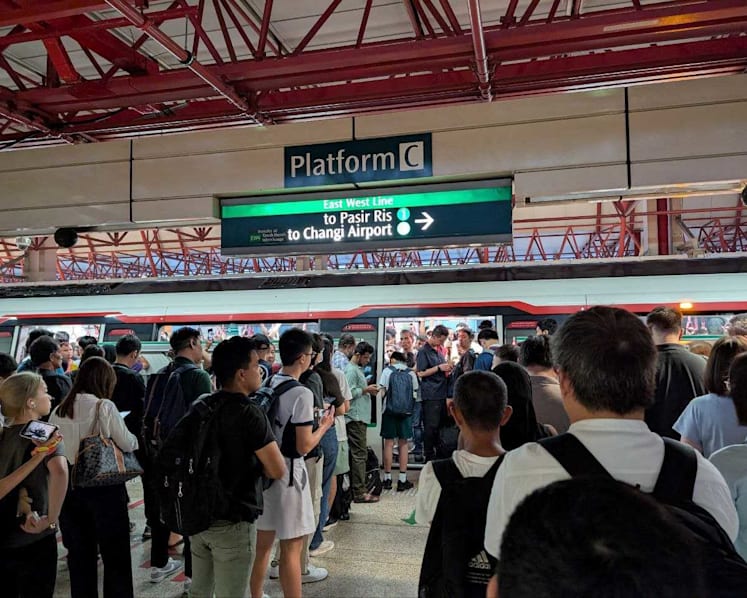
Morning commuters at Jurong East MRT station during a train service delay along the East-West Line on Aug 6, 2025. (File photo: Andrew Huang)

This audio is generated by an AI tool.


SINGAPORE: Crowding and irregular bus waiting times, inconsiderate commuter behaviour and weak air-conditioning on trains were among the top concerns raised by commuters regarding Singapore's public transport network, according to survey findings by the Public Transport Council (PTC).
The findings, released by the PTC on Monday (Jul 20), were based on the Public Transport Customer Satisfaction Survey 2025 as well as other feedback received through channels such as focus group dialogue and public feedback involving 5,505 commuters.
Overall, the public transport satisfaction survey found that 87 per cent of commuters expressed satisfaction with Singapore’s public transport system.
A Point-to-Point Transport Services Customer Satisfaction Survey involving 1,700 commuters also found that 96 per cent of commuters were satisfied with Singapore’s point-to-point transport services.





PTC has been engaging the Land Transport Authority (LTA), public transport operators and commuters to discuss ways to improve these aspects of public transport journeys, it said.
“We understand that many of the proposed solutions require careful balancing of the interests of commuters, operators and the wider public,” said the council’s chairperson Janet Ang.
“While agencies and operators will continue to improve the hardware of our public transport network, every commuter also has a role to play through greater care, courtesy and consideration for one another,” Ms Ang said.

IRREGULAR WAITING TIMES, CROWDING
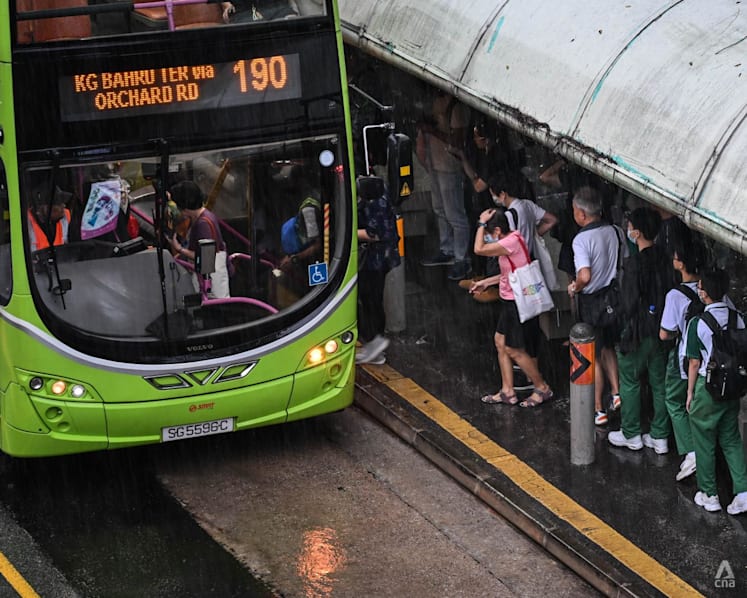
Topping the list of commuters’ concerns were irregular bus waiting times and difficulty in boarding crowded buses and trains, the PTC said.
Feedback cited inconsistent services, with buses occasionally arriving in quick succession or at irregular intervals.
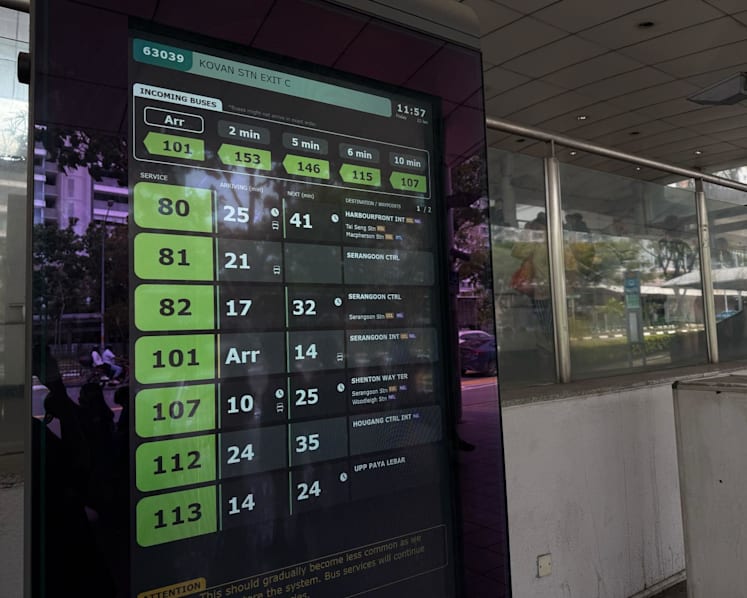
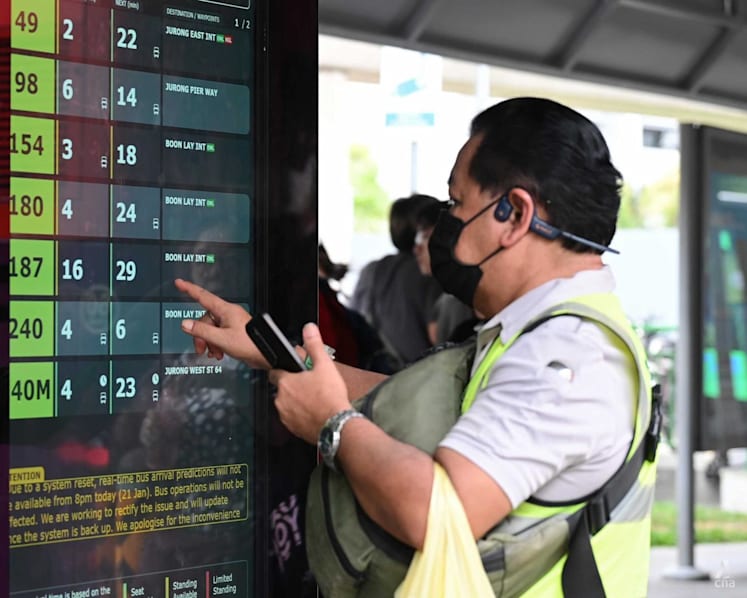
On buses, peak-hour crowding was felt "most acutely" by those travelling with young children or mobility aids, according to the survey findings. Many also cited unreliable bus arrival information as a source of frustration.
“Commuters valued certainty and reliability in bus services, especially where few alternative travel options existed,” the council said.
It cited the recruitment and retention of bus captains as a key challenge affecting service reliability, particularly when there are traffic delays or unexpected staff absences.
Operators are stepping up efforts to attract more local bus captains through measures such as higher starting salaries and enhanced sign-on incentives, the council said.
The council said it will explore how journey planning mobile applications can be enhanced to help commuters make more informed decisions.
Commuters also felt that train carriages felt "increasingly packed", that they were occasionally unable to board the first arriving train and that there were not always enough trains running to keep pace with commuter demand, according to the survey findings.
“Commuters suggested higher train frequency, longer or additional trains and better crowd management,” the PTC noted.
Feedback also included other commuters not giving way or moving in, which meant spaces on buses and trains were not optimally utilised, the council said.
The council noted existing measures to strengthen public transport capacity and connectivity, including adding more double-decker buses, pre-peak fare discounts and the express city direct services, which offer a peak-hour alternative to rail.
The PTC said it will explore ways to improve boarding efficiency, such as rear-boarding for buses where it is safe, deploying additional marshals, or digital screens at busier train platforms to guide commuters to less crowded train carriages.
CARE AND CONSIDERATION
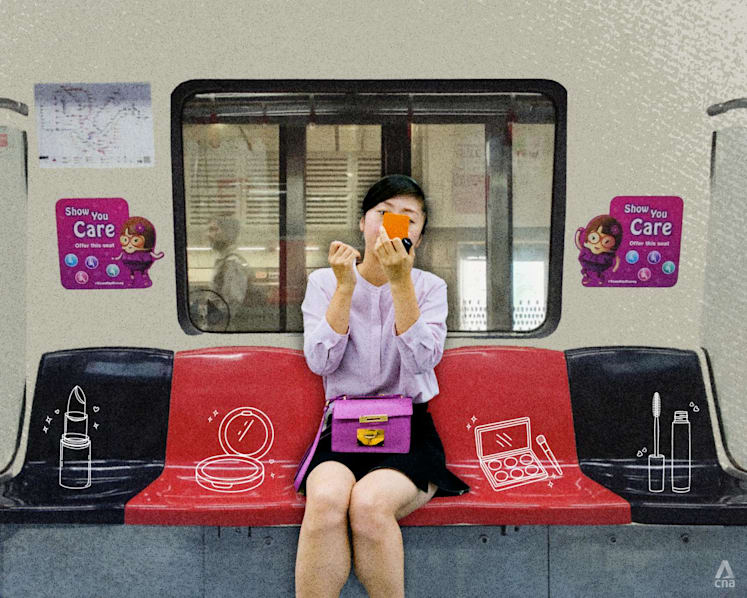
The next highest concern raised by commuters was the level of care and concern shown by other commuters on public transport, the PTC said.
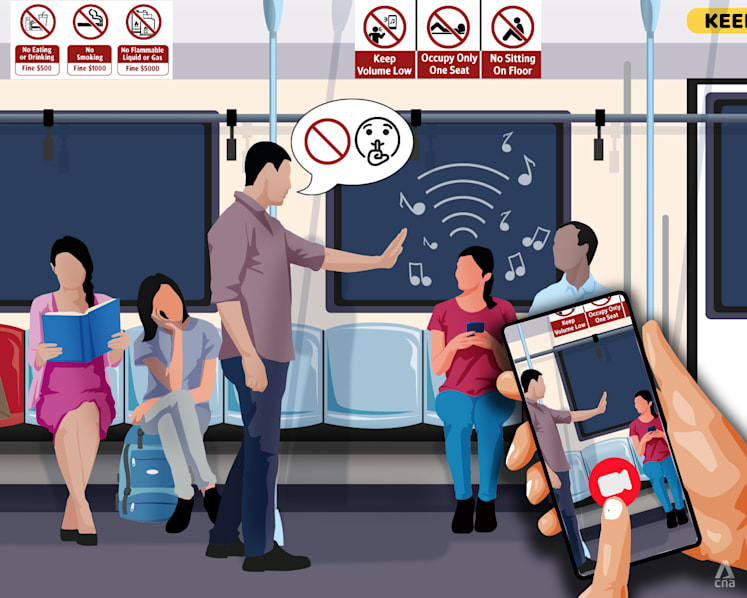
Common feedback included "inconsiderate behaviour", such as commuters playing music or videos aloud and an unwillingness to give up seats to those who may need them more.
“PTC has been spearheading the Caring SG Commuters movement and working with LTA, public transport operators, educational institutions and community organisations to foster a more gracious, caring and inclusive commuting culture in Singapore,” it said.
Enforcement action may also be taken against egregious behaviour that greatly inconveniences other commuters, the PTC added.
The council added that it would continue to strengthen the Caring SG Commuters movement to raise public awareness and foster empathy among commuters.
It also encouraged commuters to be part of the movement, be considerate and look out for others in need.
“Ultimately, we want to build a commuting culture that is rooted in mutual consideration so that commuter interactions in our public transport system can be joyful, sincere and not out of reluctance or fear,” the PTC said.
AIR-CONDITIONING ON TRAINS
Uneven temperatures and weak airflow, particularly during peak periods and on certain train lines, were also among concerns raised by commuters.
This included feedback that cooling in certain trains was "barely perceptible", resulting in carriages that felt warm and poorly ventilated.
“Commuters have called for stronger cooling, regular servicing and temperature adjustments for better thermal comfort,” the council said.
It noted that train carriage temperatures are set at around 25°C and that the carriages are equipped with temperature sensors and thermostats that continuously monitor and maintain the temperature.
“However, commuters may perceive this differently depending on the time of day, elevated (versus) underground lines, passenger load and personal preferences,” the PTC said.
“The warmer climate in recent years may also have contributed to greater sensitivity to onboard temperatures for commuters during their journeys, even where cooling systems are operating as intended, especially during hotter periods of the year.”
Ensuring a comfortable commuting environment is an important focus for the public transport system, the council said.
For instance, the new North-South East-West Line trains feature higher cooling capacity and improved airflow are being progressively introduced, with the full replacement of older trains on this line targeted for completion in 2026, it added.
The PTC said it would explore ways to enhance travel comfort, potentially by optimising air-conditioning performance on older train fleets and reviewing maintenance practices where appropriate.