





New wave of bomb hoaxes hits at least 27 passenger flights across Europe
While no country has attributed blame for the threats, they come at a time when many European officials have accused Russia of masterminding sabotage and "hybrid attacks".
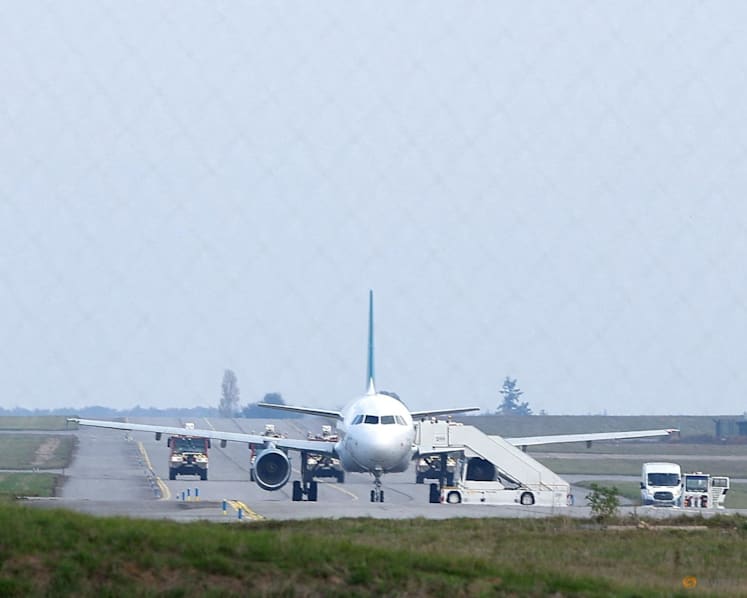
An Aer Lingus Airbus A320 plane is seen at Evreux military air base after the flight from Dublin to Rome was diverted to France following a bomb threat on Nov 5, 2026. (Photo: Reuters/Gonzalo Fuentes)
PARIS: Hoax bomb threats disrupted at least 27 passenger flights across Europe on Thursday (Nov 5), forcing unplanned landings by some planes and prompting fighter jets to escort or intercept others, in the second such wave this week.
No country has attributed blame for the threats, which come as many European officials are accusing Russia of masterminding sabotage and "hybrid attacks", often cheap, easily deniable and not expected to trigger an armed response.
At least seven flights and a cruise ship also received hoax threats on Tuesday.
Denmark, Poland and Romania, all affected by Thursday's disruptions, have previously accused Moscow directly of being behind hybrid attacks, while Germany blamed Russia for an August attack on Leipzig airport. Britain, which has in the past blamed Russia, linked Iran to a suspected plot against a US air base.
Both Russia and Iran deny any involvement.
Eric Schouten, head of aviation security group Dyami, said most of the countries affected supported Ukraine in its war against Russia's invasion.
While analysts at aviation risk advisory firm Osprey Flight Solutions said a link to Russia's hybrid campaign in Europe was a "realistic probability", they also cautioned that other explanations, including individuals acting on personal grievances and copycat incidents, were also possible.
An airport source in Italy told Reuters that an email with the subject line "Threat report" had been sent to several addresses for airlines, airport operators and airport service providers at Rome's Fiumicino and Milan's Malpensa airports.
The email, which claimed it was from "fighters of the Male State", said devices had been placed on inbound flights from Helsinki and Dublin and they would explode in 60 minutes.
Reuters could not independently confirm who had sent the email and there was no immediate indication of who was behind the other threats across Europe.
FROM MILAN TO PRAGUE AND BEYOND
Aer Lingus flight EI402 from Dublin to Rome landed safely at Evreux airport, 100km west of Paris, after being diverted as a security precaution, the Irish airline said in a statement.
Quoting the office of French Prime Minister Sebastien Lecornu, Reuters reported that the Airbus A320 plane was diverted to France's Evreux airbase.
The situation is being monitored by the Prime Minister's office, it added.
According to flight-tracking website Flightradar24, an Aer Lingus aircraft turned near Paris and was circling over the Evreux area after declaring an in-flight emergency.
France's air force said it had dispatched planes "as soon as the threat was reported", AFP reported.
"The aircraft has been diverted and is being escorted to the Evreux airfield" west of Paris, it added.
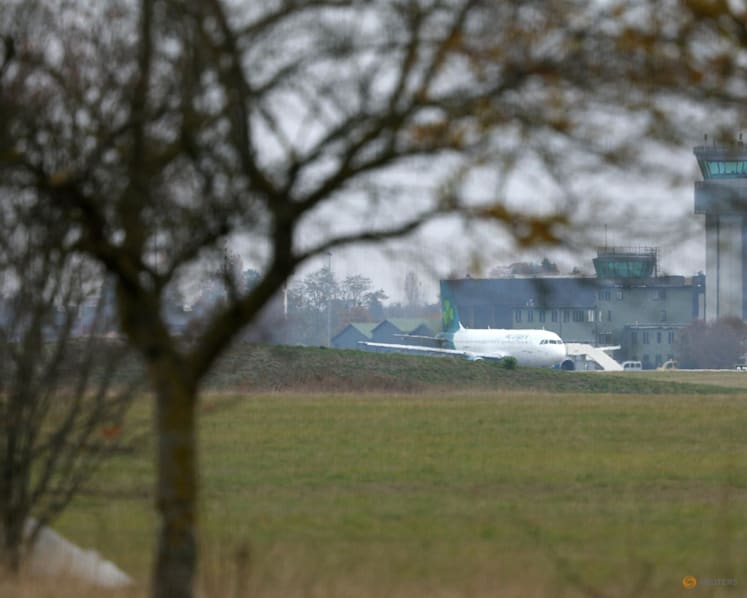
A Finnair flight from Helsinki, operated by charter airline Jettime, on Thursday landed as normal in Vienna after receiving a bomb threat, a spokesperson for the Finnish carrier said.
Finnair earlier said that another Finnair flight to Rome had landed after receiving a bomb threat, Reuters reported.
According to AFP, the Helsinki-Rome flight was escorted to Rome by a fighter jet and was checked by bomb disposal experts.
Reuters, citing a source, reported that a flight operated by Polish airline LOT flying from Warsaw landed safely at Brussels Airport following a suspicious report.
A spokesperson for the airport told Belgian media that no additional security measures were necessary.
The airport did not immediately respond to a Reuters request for comment.
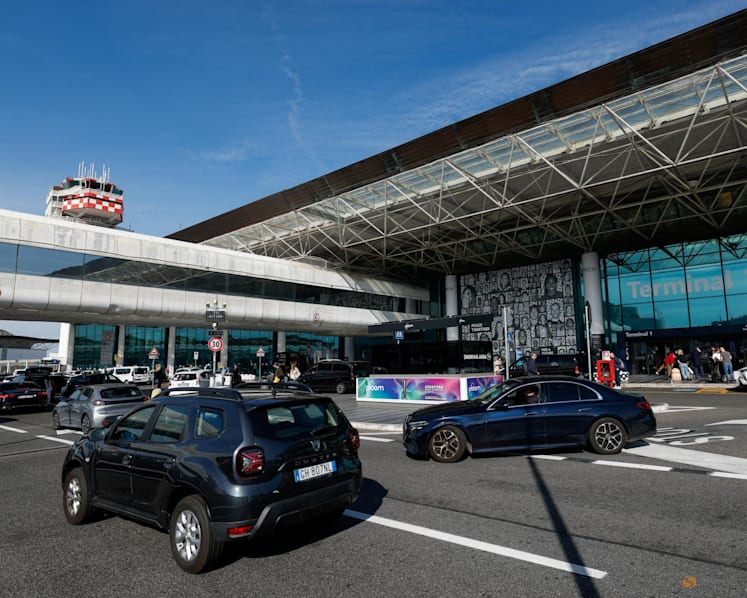
Bulgarian officials meanwhile reported three aircraft making emergency landings in the Balkan country because of bomb threats. Airplanes flying from Copenhagen and Madrid landed safely in Sofia, the interior minister said, according to broadcaster bTV.
A third aircraft, from London, was diverted and landed in Plovdiv, Bulgaria's second-largest city, local media said. The government did not respond to requests for comment.
Spanish authorities said that three flights were affected by hoax bomb threats at Madrid's airport on Thursday morning, though they stressed that security forces had ruled out any risk.
It is unclear if this includes the plane from Madrid that had landed in Sofia.
Meanwhile, Czech police on Thursday said four planes headed to Prague received bomb threats and the authorities were preparing for their landing, adding they assessed the credibility of the threats as low.
"Nevertheless, we are not underestimating the threat, which is why all necessary security measures have been activated with minimal impact on passengers and airport operations," the police said on X.
"After landing, all aircraft will undergo pyrotechnic inspections."
CTK News agency later reported that no explosives were found in the four planes that landed in Prague, citing a police spokesperson.
Separately, the Romanian intelligence agency said on Thursday that a bomb threat was made on a Wizz Air flight from Milan to Bucharest, adding the plane landed safely in the Romanian capital, Reuters reported.
Italy's ANSA news agency meanwhile reported on bomb alerts on two flights bound for Milan's Malpensa Airport, both of which have since landed safely.
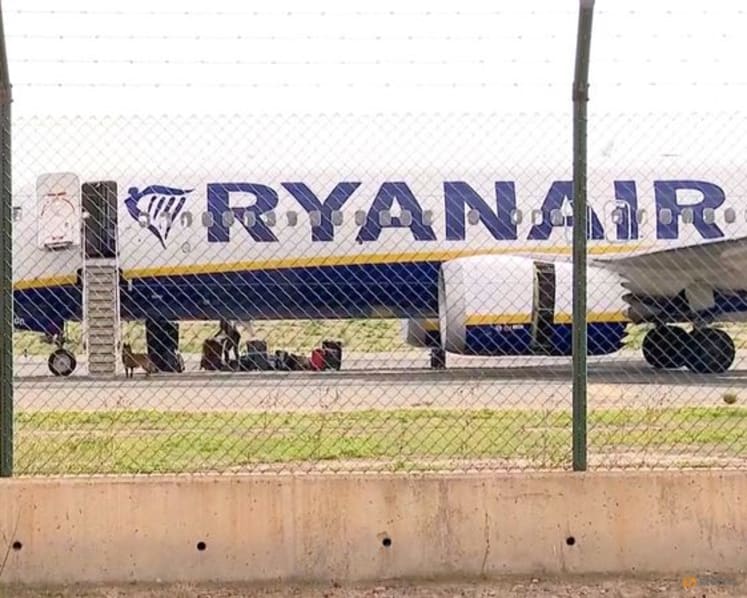
The string of incidents comes after about 10 European flights were targeted by bomb threats on Tuesday, forcing the brief closure of a Warsaw airport and the scrambling of air force planes in Rome, according to authorities.
No explosives were found in the earlier incidents, despite extensive searches on the ground after the planes all took off and landed safely in different European cities just several hours apart, AFP reported.
Irish budget carrier Ryanair appeared to be the worst hit, with four of its flights to different destinations being targeted.
Two bomb warnings targeted planes heading to the Polish capital Warsaw, including an SAS Scandinavian Airlines flight from Copenhagen and one from Heathrow operated by Polish airline LOT, Polish airport authorities said.
This week, unidentified hackers shut down fridges in supermarkets in several European countries. Some experts said hoax bomb threats could be part of a similar pattern of cheap, deniable disruption efforts.
Eliran Almog, CEO of aviation cybersecurity firm Cyviation, told Reuters the repeated threats could serve both to disrupt operations and to observe how airlines, airports and national authorities respond.
"These aviation threats are also occurring in the same period as cyberattacks on supermarket refrigeration systems across Europe," Almog said.
"Different essential services are experiencing disruption that carries economic costs and can undermine public confidence."